In a surprising turn of events, Apple has announced a strategic partnership with OpenAI to integrate advanced artificial intelligence capabilities into its upcoming iPhone models. The collaboration aims to revolutionize the smartphone experience, making AI a central feature in everyday mobile use. However, this move has not been well-received by Microsoft, a significant player in the AI industry and a major investor in OpenAI.
Apple’s decision to collaborate with OpenAI marks a significant milestone in the tech industry. By leveraging OpenAI’s cutting-edge technology, Apple plans to enhance Siri, its virtual assistant, and introduce new AI-driven features that promise to transform user interactions with their devices. The new iPhones, slated for release later this year, are expected to include capabilities such as advanced natural language processing, real-time translation, and highly personalized user experiences.
Tim Cook, CEO of Apple, expressed his excitement about the partnership. “Integrating OpenAI’s leading AI technology with the iPhone aligns with our commitment to delivering innovative and user-friendly experiences. This collaboration will set a new standard for what smartphones can do,” Cook stated.
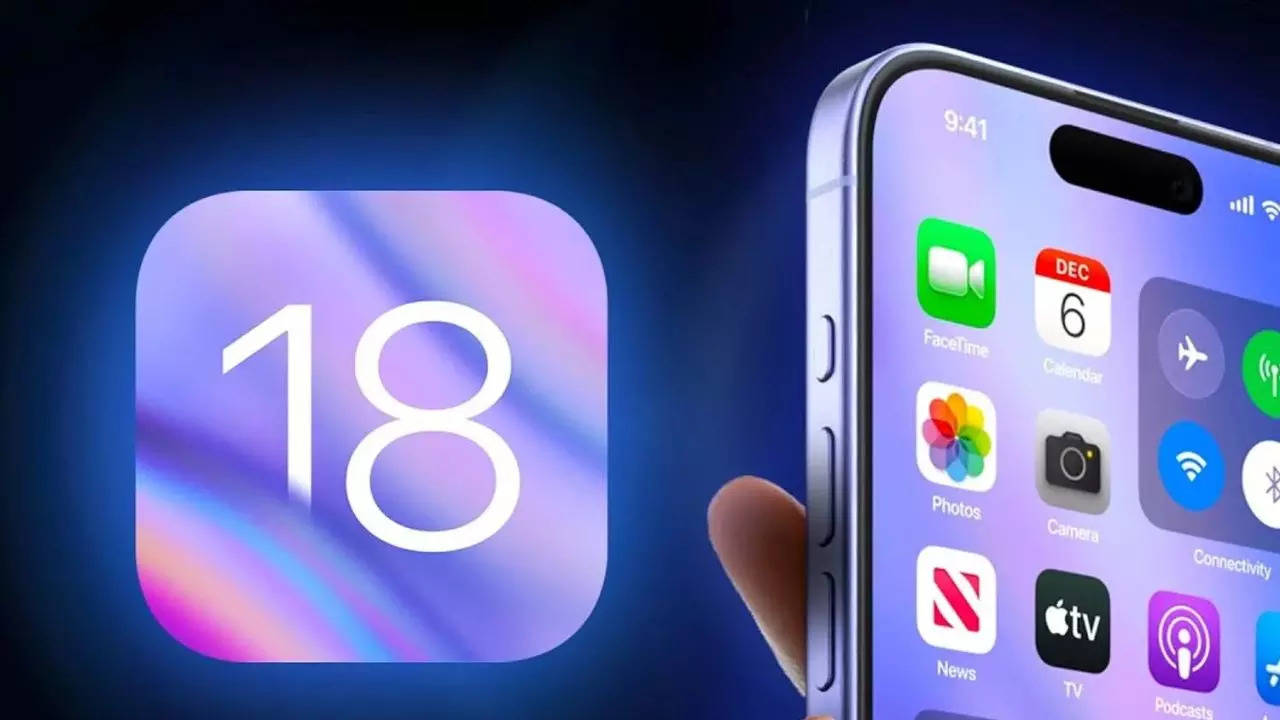
Microsoft, which has heavily invested in OpenAI and collaborated closely on various projects, is reportedly unhappy with this new alliance. The Redmond-based tech giant views the partnership as a potential conflict of interest, given its substantial financial and strategic contributions to OpenAI.
Satya Nadella, CEO of Microsoft, voiced his concerns in a recent press release. “While we recognize OpenAI’s independence, we believe that strategic partnerships should be carefully managed to avoid conflicts and ensure mutual benefit. We are evaluating the implications of this new development,” Nadella commented.
The announcement has sent ripples through the tech industry, with analysts speculating on the potential impacts. Apple’s stock saw a moderate rise following the news, reflecting investor optimism about the enhanced capabilities of future iPhones. Conversely, Microsoft’s shares experienced slight volatility amid concerns over the company’s relationship with OpenAI.
Industry experts believe that the partnership could significantly boost Apple’s competitive edge in the smartphone market. “This move could redefine the landscape of mobile technology, pushing competitors to innovate more aggressively,” said Caroline Anderson, a tech analyst at Forrester Research. “Microsoft’s displeasure is understandable, but it also highlights the competitive nature of the AI space.”
As Apple and OpenAI embark on this collaboration, several challenges and opportunities lie ahead. The integration of sophisticated AI into consumer devices will require robust security measures to protect user data and privacy. Apple, known for its stringent privacy policies, will need to ensure that these new AI features comply with its high standards.

Moreover, the partnership raises questions about OpenAI’s direction and governance, given its collaborations with multiple tech giants. Maintaining a balance between fostering innovation and managing strategic partnerships will be crucial for OpenAI’s leadership.
Apple’s partnership with OpenAI marks a bold step towards the future of AI-integrated smartphones, promising to deliver unprecedented functionality and user experiences. While Microsoft’s concerns underscore the competitive dynamics of the tech industry, the collaboration has the potential to drive significant advancements in mobile technology. As the industry watches closely, the coming months will reveal how this strategic alliance shapes the future of AI and consumer technology.