A South Korean court has sentenced American YouTuber Ramsey Khalid Ismael, widely known online as “Johnny Somali,” to six months in prison for public nuisance and related offences, in a case that has sparked international debate about the limits of online content creation.
The ruling, delivered in Seoul, comes after months of scrutiny over the YouTuber’s conduct during his stay in South Korea, where he filmed and livestreamed a series of disruptive and provocative acts in public spaces. Authorities said his actions repeatedly interfered with public order and crossed legal boundaries, prompting complaints from citizens and businesses.
Pattern of Disruptive Content
Ismael, 25, built a following on platforms like YouTube and Twitch through so-called “nuisance streaming,” a genre that often involves provoking strangers, creating disturbances, and pushing social boundaries for viral attention.
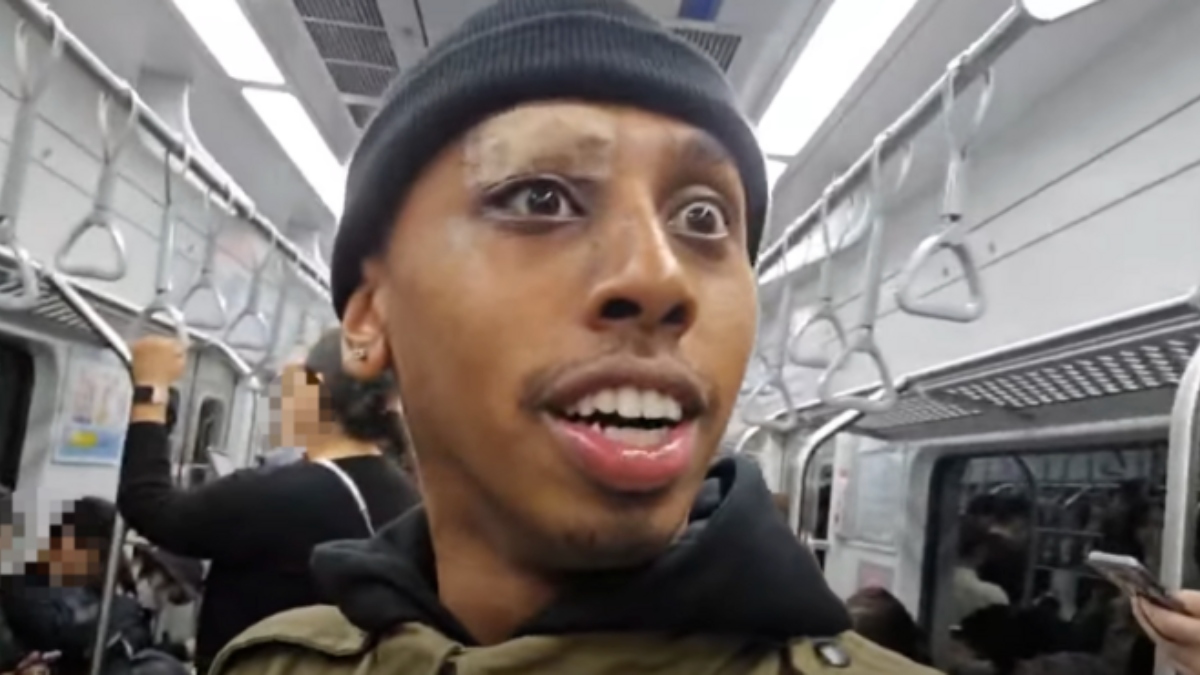
South Korean prosecutors argued that his behaviour went beyond mere online entertainment. They cited multiple incidents in which he allegedly harassed passersby, caused disruptions in restaurants and public transport, and engaged in offensive conduct while livestreaming.
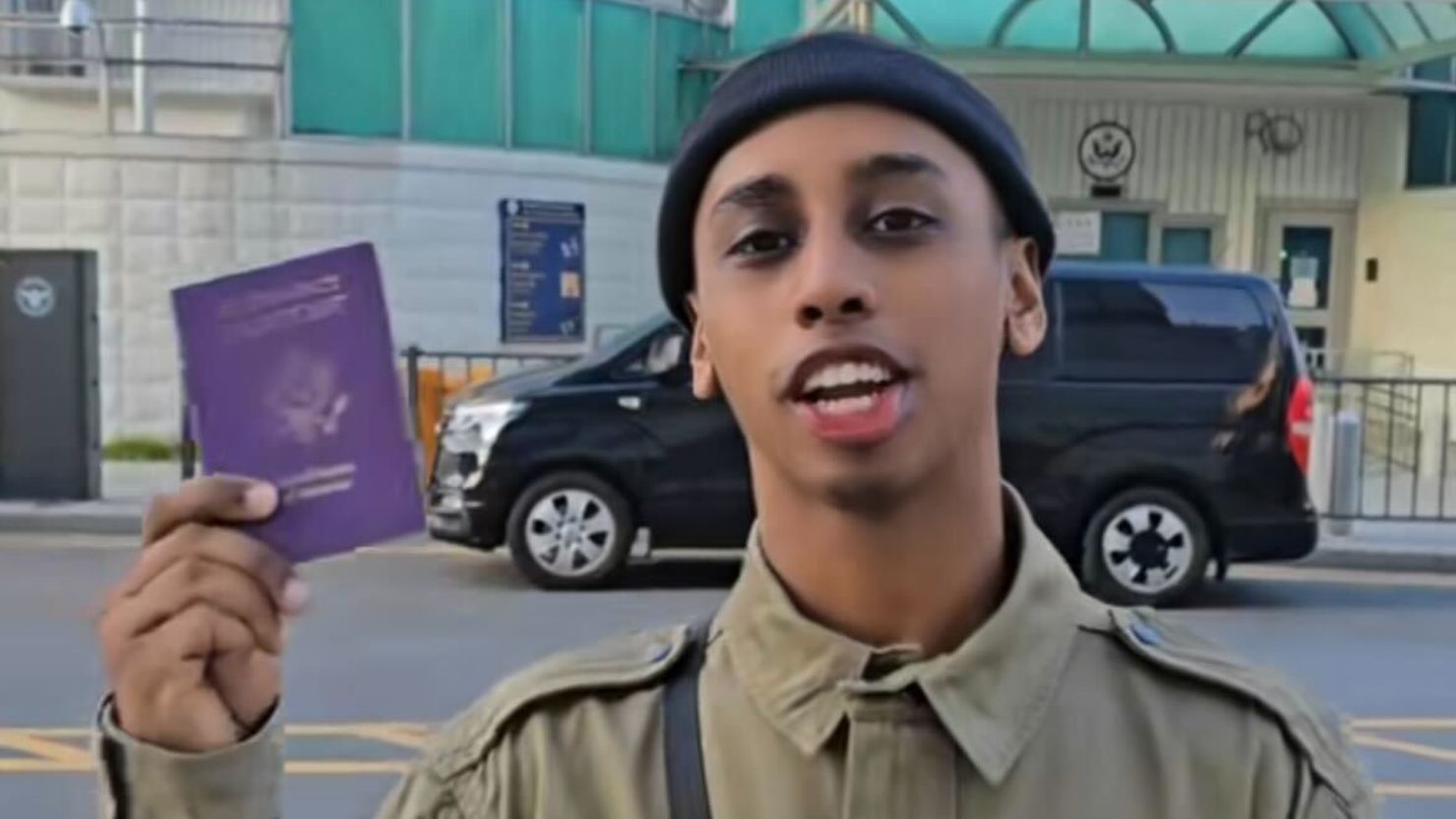
One of the most controversial episodes involved his actions at the Statue of Peace, a memorial dedicated to victims of wartime sexual slavery. The YouTuber filmed himself making inappropriate gestures toward the statue, sparking widespread outrage across the country. Many South Koreans viewed the act as deeply disrespectful, given the historical and emotional significance of the memorial.
The incident quickly went viral online, triggering condemnation from civic groups, politicians, and ordinary citizens. Calls for stricter action against foreign content creators who violate local norms grew louder in the weeks that followed.
Court’s Observations
In its judgment, the court stated that Ismael’s actions were not isolated incidents but part of a deliberate pattern designed to attract attention and generate revenue through controversy. Judges noted that he appeared fully aware that his conduct would provoke outrage, yet continued to escalate his behaviour.
“The defendant repeatedly caused disturbances in public places and showed disregard for local laws and social norms,” the court observed, according to court officials. It added that such actions could not be justified as free expression, particularly when they infringed upon the rights and dignity of others.
While prosecutors had reportedly pushed for a longer sentence, the court ultimately imposed a six-month prison term, taking into account factors such as the defendant’s age and the absence of prior convictions within South Korea. However, the court emphasized that the punishment should serve as a deterrent to similar conduct by others.
Broader Concerns Over “Nuisance Streaming”
The case has drawn attention to the growing phenomenon of influencers traveling abroad to create controversial or disruptive content. Critics argue that some creators deliberately exploit cultural differences and legal grey areas to generate viral moments, often at the expense of local communities.
In South Korea, a country known for its strong emphasis on public order and respect for shared spaces, such behaviour is particularly sensitive. Legal experts say the country’s laws provide clear grounds for penalizing actions that disrupt public peace, even if they are framed as entertainment online.
“This case reflects a broader challenge faced by many societies in the digital age,” said a Seoul-based legal analyst. “Content that is rewarded online for being shocking or outrageous can have real-world consequences, especially when it violates local laws.”
International Reaction
The sentencing has sparked mixed reactions internationally. Some online commentators have defended Ismael, arguing that his actions fall within the realm of free speech or performance art. Others, however, have strongly supported the court’s decision, saying it reinforces the importance of respecting local customs and legal systems.
The case has also reignited debate about the responsibilities of global platforms such as YouTube and Twitch in regulating content that may encourage harmful or disruptive behaviour. While these platforms have policies against harassment and harmful conduct, enforcement can vary, particularly when content is created across different jurisdictions.
A Warning to Content Creators
Observers believe the ruling could have a chilling effect on similar forms of content creation, particularly among influencers who travel internationally. By imposing a custodial sentence, South Korean authorities have signaled that online fame does not exempt individuals from accountability under local law.
For many in South Korea, the case represents a necessary assertion of boundaries in an era where digital culture often clashes with traditional norms. Civic groups have welcomed the decision, saying it sends a strong message that public spaces and historical symbols must be treated with respect.
As Ismael begins his prison term, questions remain about how governments and platforms will address the rise of disruptive online content. What is clear, however, is that the intersection of global internet culture and local legal systems is becoming an increasingly contested space—one where the consequences of crossing the line can be severe.