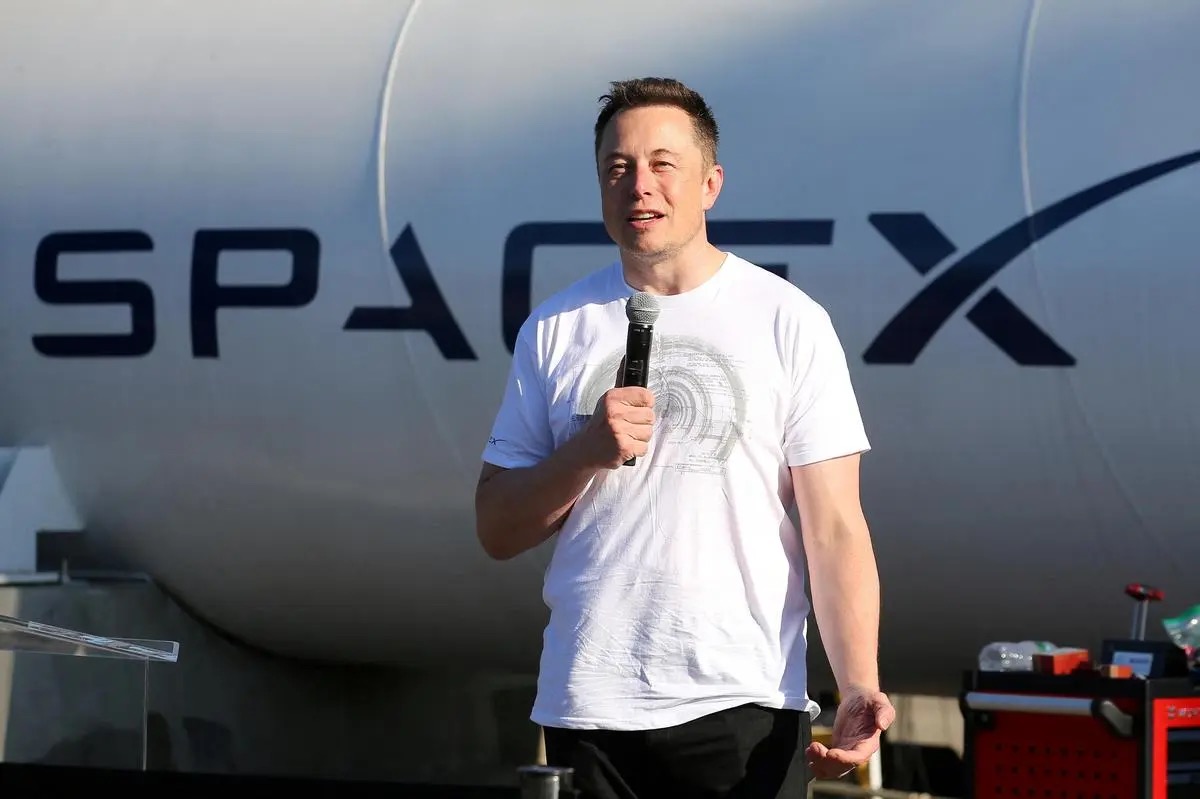
In a major development ahead of one of the most anticipated public listings in history, Elon Musk and a select group of insiders are set to retain decisive voting control of SpaceX even after the company goes public, according to newly disclosed regulatory filings.
The filing reveals that SpaceX plans to adopt a dual-class share structure, a mechanism increasingly favored by high-growth technology companies seeking to balance access to public capital with centralized leadership control. Under this structure, shares available to public investors will carry significantly fewer voting rights compared to those held by Musk and early stakeholders, effectively allowing insiders to dominate key corporate decisions despite owning a smaller portion of total equity.
This arrangement ensures that Musk will remain firmly at the helm of the company he founded, maintaining authority over strategic direction, board appointments, and major corporate actions. The move signals a clear intention by SpaceX to preserve its long-term vision and operational independence, even as it opens its ownership to public markets.

The IPO itself is shaping up to be a landmark event. Market expectations suggest that SpaceX could command a valuation in the trillions, driven by its dominant position in commercial spaceflight, satellite deployment, and its rapidly expanding satellite internet arm, Starlink. If these projections hold, the offering could become the largest IPO ever recorded, surpassing previous listings in both scale and ambition.
However, the governance structure outlined in the filing is likely to spark debate among investors and analysts. Dual-class share systems have long been a point of contention in corporate governance circles. Critics argue that such structures weaken shareholder democracy by concentrating power in the hands of a few, limiting the ability of public investors to influence company decisions or hold leadership accountable.
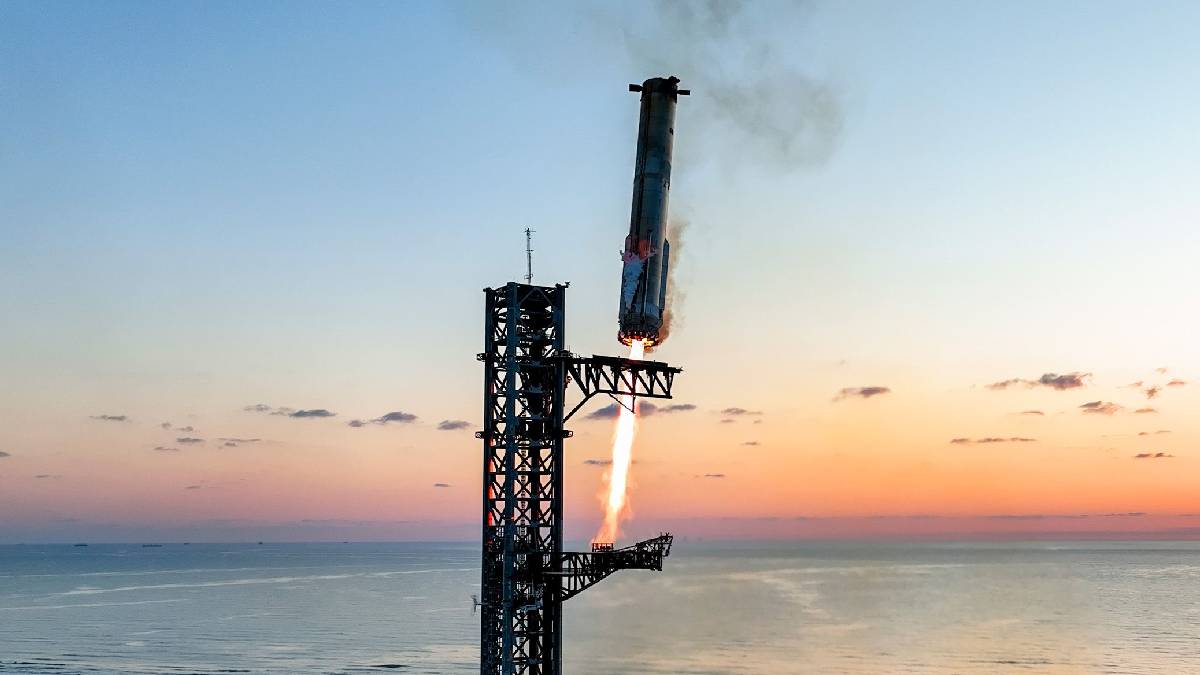
On the other hand, supporters contend that visionary founders like Musk require the freedom to pursue bold, long-term projects without the pressure of short-term market expectations. SpaceX, after all, operates in an industry defined by high risk, massive capital expenditure, and extended timelines. From reusable rocket systems to ambitions of interplanetary travel, the company’s projects often take years—if not decades—to materialize.
Insiders familiar with the company’s thinking suggest that maintaining voting control is seen as essential to protecting SpaceX’s mission-oriented culture. By insulating leadership from external pressures, the company believes it can continue to innovate at a pace that might otherwise be hindered by shareholder demands for immediate profitability.
The filing also provides insight into the company’s financial posture. While SpaceX has achieved remarkable technological milestones, it continues to invest heavily in new initiatives, including next-generation spacecraft, satellite infrastructure, and advanced computing capabilities. These investments have translated into significant expenditures, though they are partially offset by revenues from Starlink, which has emerged as a critical pillar of the company’s business model.
As SpaceX prepares for its public debut, it is also actively engaging with potential investors. Reports indicate that the company has been holding a series of meetings with analysts and institutional stakeholders, outlining its growth strategy and addressing concerns related to governance and financial performance. These efforts are aimed at building confidence in a company that, despite its achievements, remains relatively opaque compared to publicly traded peers.
The decision to retain insider control places SpaceX in the company of other major technology firms that have adopted similar structures. Yet, the scale and significance of SpaceX’s IPO mean that its approach will be closely watched and could influence how future companies structure their own public offerings.
For retail investors, the IPO presents both an opportunity and a dilemma. On one hand, it offers a chance to invest in a company at the forefront of space exploration and technological innovation. On the other, it raises important questions about the extent of influence those investors will actually have.
Ultimately, the success of the IPO may hinge not just on SpaceX’s financial performance, but on whether investors are willing to accept a model in which control remains concentrated at the top. Musk’s track record of defying expectations and delivering groundbreaking achievements may inspire confidence among many, but governance concerns are unlikely to disappear.
)
As the countdown to the IPO continues, SpaceX stands at a pivotal moment in its history. By choosing to retain voting control within its inner circle, the company is making a bold statement about how it intends to navigate the complexities of public markets—on its own terms.
Whether that approach will redefine investor expectations or deepen existing divides over corporate governance remains to be seen. What is certain, however, is that SpaceX’s public debut will be more than just a financial milestone; it will be a test case for the future of founder-led companies in the global economy.