Google has mounted a strong defense of its lucrative search agreement with Apple during ongoing antitrust appeal proceedings, arguing that the partnership exists because Apple independently chose Google as the best option for its users. The company maintained that the arrangement was based on the quality of Google’s search engine, user satisfaction, and the significant advertising revenue generated through the deal, rather than anti-competitive practices as alleged by U.S. regulators.
The case represents one of the most significant legal battles facing the technology industry in recent years, with implications that could reshape the digital search market and alter the business relationships between major technology firms. At the center of the dispute is Google’s long-standing agreement to serve as the default search engine on Apple’s Safari browser across devices including the iPhone, iPad, and Mac computers.
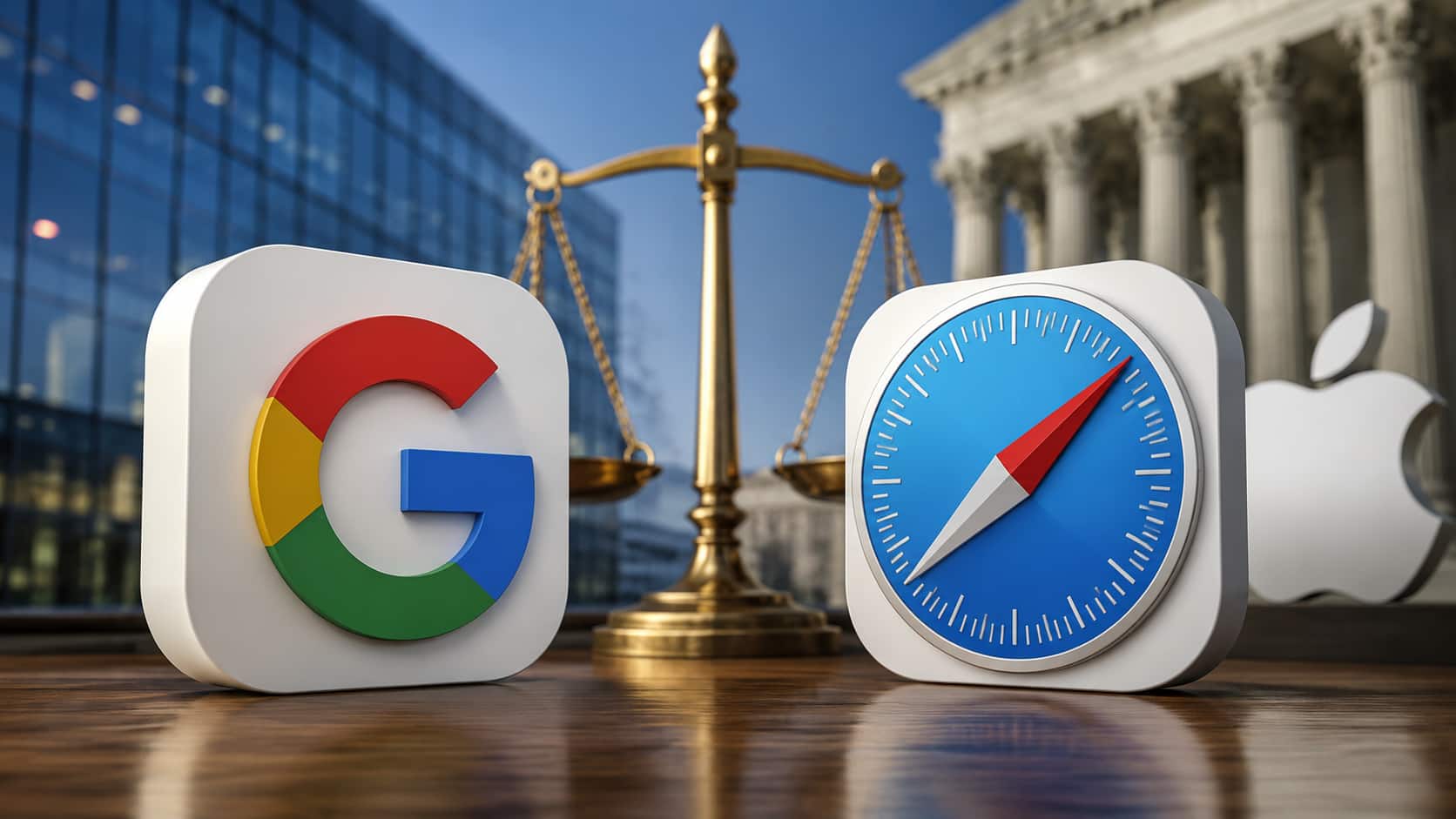
During the appeal, Google’s legal team argued that Apple repeatedly assessed competing search providers and consistently concluded that Google offered the best overall experience. Lawyers representing the company stated that Apple’s decision was not forced or manipulated, but instead reflected a rational business choice based on product quality and financial return.
Google emphasized that users value speed, accuracy, and reliability when using search engines, and claimed that its platform consistently outperformed competitors in these areas. The company also argued that Apple prioritized maintaining a high-quality user experience for its customers and therefore selected the search engine it believed delivered the strongest results.
According to Google, the arrangement also benefits consumers because users remain free to switch their default search engine settings at any time. The company argued that alternatives such as Microsoft Bing, Yahoo, and DuckDuckGo remain accessible on Apple devices, undermining claims that consumers are trapped within Google’s ecosystem.
The appeal follows a landmark antitrust ruling in which U.S. regulators accused Google of maintaining an illegal monopoly in the online search market. Prosecutors argued that Google used billions of dollars in payments to secure exclusive or dominant placement on smartphones and web browsers, effectively shutting out competitors and limiting market competition.
Government lawyers have pointed specifically to the Safari agreement as a key example of how Google allegedly strengthened its dominance. By ensuring that its search engine appears automatically on Apple devices used by millions of consumers worldwide, regulators argue that Google gained a massive competitive advantage that smaller rivals could not realistically overcome.
The Department of Justice contends that default placement is especially powerful because most users rarely change default settings. As a result, prosecutors claim that Google’s agreements allowed the company to maintain overwhelming market share while reducing opportunities for emerging competitors to grow.
Google, however, rejected the idea that success alone constitutes illegal monopolistic behavior. The company argued that its dominant position in search was earned through innovation, investment, and the development of a product that consumers genuinely prefer. Lawyers for the company insisted that competitors have had ample opportunity to improve their own search technologies but have failed to match Google’s performance and scale.
The proceedings also highlighted the enormous financial value of the partnership for Apple. Although Apple is not the primary defendant in the case, court discussions revealed how important the agreement has become to the company’s services business. Industry analysts estimate that Google pays Apple tens of billions of dollars annually to remain the default search engine on Safari, making it one of the most profitable commercial arrangements in the technology sector.
For Apple, the agreement provides a steady stream of high-margin revenue without requiring the company to build and maintain its own global search infrastructure. At the same time, Apple has continued positioning itself as a company focused on user privacy and consumer experience, occasionally creating tension with Google’s advertising-driven business model.
The broader legal battle arrives at a time when governments around the world are increasing scrutiny of major technology companies. Regulators in the United States, the European Union, and other regions have expressed growing concern about the power held by dominant digital platforms and their ability to shape online markets.
Antitrust experts believe the outcome of the case could have consequences far beyond the search industry. A ruling against Google could force changes in how default agreements are structured across the technology sector, potentially affecting app stores, digital advertising, browser partnerships, and artificial intelligence distribution deals.
Some analysts argue that breaking up or limiting default search agreements could create more room for competition and innovation. Others warn that interfering with such partnerships could reduce efficiency, complicate user experiences, and penalize companies simply for creating successful products.
The case also comes during a period of rapid technological change as artificial intelligence transforms how people access information online. Companies including Google, Microsoft, and OpenAI are increasingly competing to integrate AI-powered tools into search products, potentially reshaping the industry’s future. Regulators are therefore watching closely to determine whether existing market structures will help or hinder the next generation of digital competition.

Despite mounting legal pressure, Google remains confident in its defense and continues to argue that consumers ultimately choose its services because they work better than alternatives. The company maintains that Apple’s continued partnership is evidence of market preference rather than monopolistic conduct.
As the appeal process continues, the technology industry, investors, policymakers, and rival firms are closely monitoring developments. The final outcome could redefine not only Google’s role in the search market but also the rules governing competition in the modern digital economy.