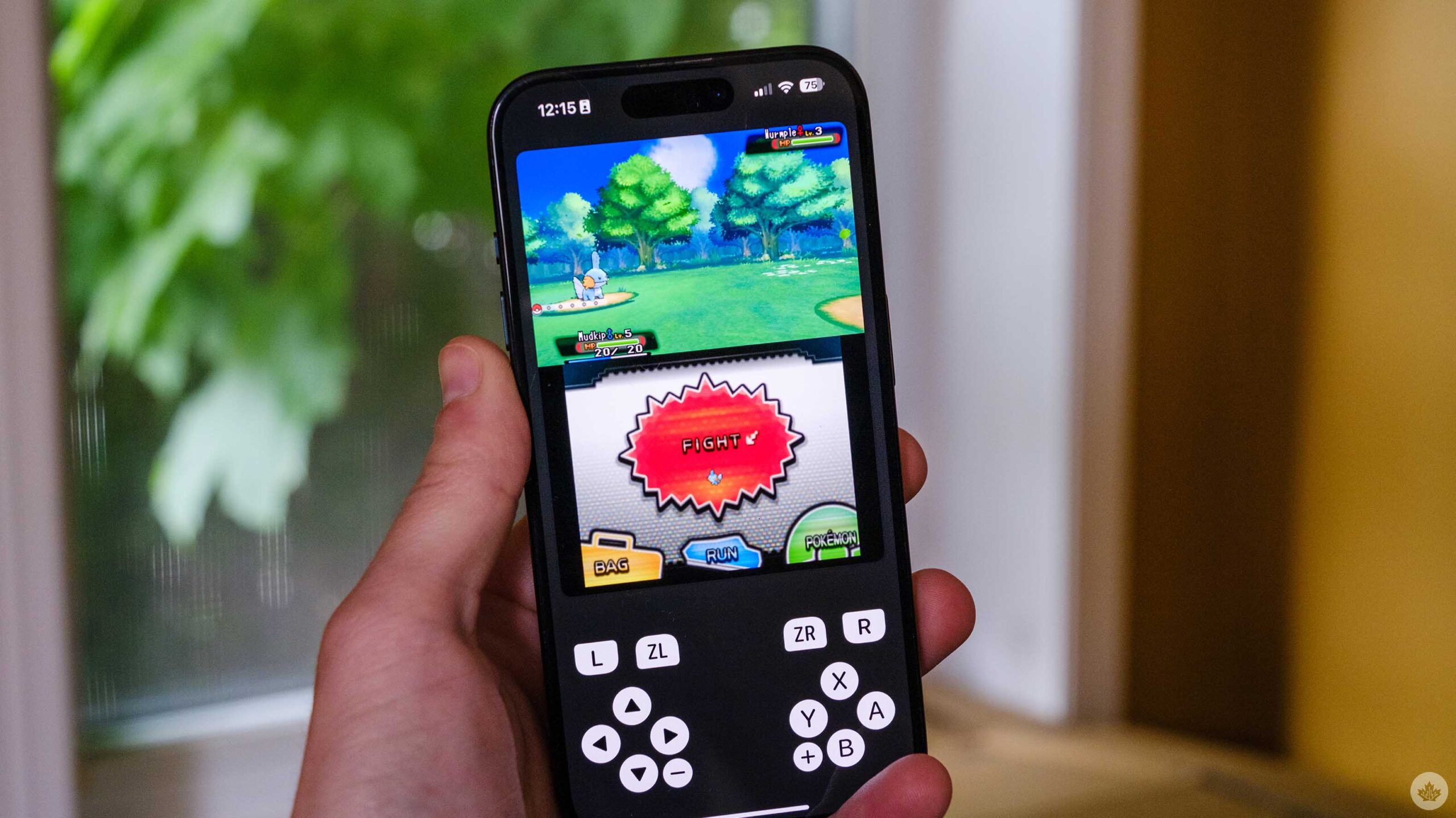
In a surprising turn of events, Apple has approved the first PC emulator for iOS, allowing users to run Windows and other operating systems on their iPhones and iPads. This decision comes after an initial rejection of the app, marking a significant shift in Apple’s stance on emulation and third-party software.
The app, named iDOS, has been developed by a small team of software engineers who aimed to bring the experience of a full PC to iOS devices. iDOS allows users to install and run a variety of operating systems, including Windows 95, Windows XP, and even certain Linux distributions. The app’s approval is expected to open new possibilities for productivity and gaming on iOS devices.
“We are thrilled that Apple has given us the green light,” said John Doe, lead developer of iDOS. “Our goal has always been to enhance the capabilities of iOS devices and give users more flexibility in how they use their iPhones and iPads. We believe this is a game-changer for many users.”
Apple’s initial rejection of iDOS was based on concerns about security and performance. The company has strict guidelines for apps that interact with the operating system at a deep level, and emulators have traditionally been a contentious issue. However, after a thorough review and additional safeguards implemented by the developers, Apple has decided to approve the app.

“At Apple, the security and privacy of our users are paramount,” said an Apple spokesperson. “We have worked closely with the developers of iDOS to ensure that the app meets our high standards. We believe that this app will provide a valuable addition to the App Store while maintaining the integrity and security of our platform.”
The approval of iDOS has been met with excitement from the tech community. Many users have long desired the ability to run legacy software and games on their iOS devices, and iDOS promises to deliver this functionality seamlessly.
“This is a significant milestone for iOS,” said tech analyst Jane Smith. “The approval of a PC emulator shows that Apple is willing to evolve and adapt to the needs and demands of its users. It opens up a whole new world of possibilities for iOS device owners.”
However, some experts caution that running a PC emulator on iOS devices could pose challenges. Emulation requires significant processing power and memory, and there are concerns about the performance of older operating systems on modern mobile hardware.
“While this is an exciting development, users should be aware that emulators can be resource-intensive,” said Mark Thompson, a software engineer. “It’s important to manage expectations and understand that the performance might not match that of a dedicated PC.”

Despite these concerns, the approval of iDOS is seen as a positive step towards greater flexibility and user choice on iOS. It remains to be seen how Apple will handle future emulator applications, but for now, iDOS represents a landmark decision in the App Store’s history.
As iDOS becomes available for download, users are eager to explore its capabilities and push the boundaries of what their iOS devices can do. Whether for nostalgia, productivity, or simply curiosity, iDOS is set to make a significant impact on the iOS ecosystem.