In the wake of a shooting at a rally for former President Donald Trump, social media platforms have become rife with disinformation, conspiracy theories, and false narratives, complicating efforts to discern the truth and posing significant challenges for authorities and the public alike.
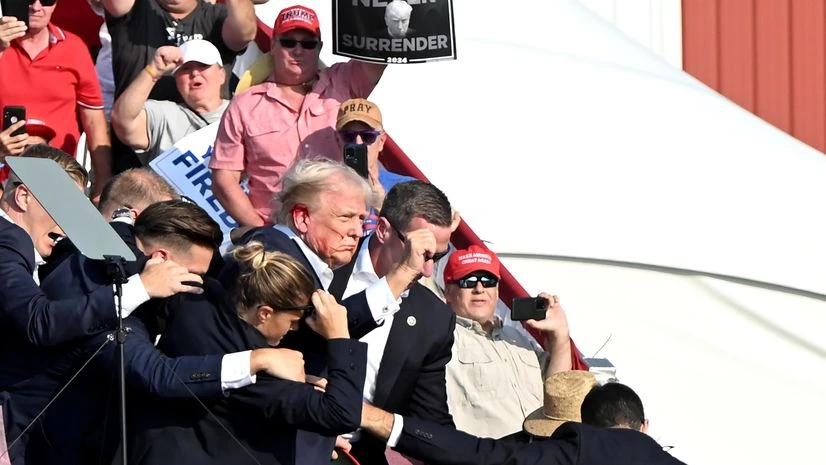
The incident occurred yesterday evening in Des Moines, Iowa, where Trump was addressing a crowd of thousands as part of his 2024 presidential campaign. The shooting resulted in two fatalities and several injuries, sparking immediate chaos and confusion both on the ground and online.
Misinformation Floods Social Media
Within minutes of the shooting, social media platforms such as Twitter, Facebook, and TikTok were inundated with posts speculating about the identity and motives of the shooter. Unverified claims, doctored images, and misleading videos spread rapidly, often gaining more traction than official updates from law enforcement and credible news sources.
)
One prominent false narrative suggested that the shooter was a member of a radical left-wing group, while another claimed it was a staged event orchestrated by Trump’s own team to gain sympathy. Both theories were debunked by authorities, who identified the suspect as a lone actor with no clear political affiliations. Despite this, the initial misinformation continued to circulate widely.
Impact on Public Perception and Safety
The rapid dissemination of false information has significant implications. Misinformation can incite panic, foster distrust in official sources, and even inspire retaliatory violence. Authorities have urged the public to rely on verified information from trusted news organizations and official statements from law enforcement.
FBI Director Christopher Wray addressed the issue in a press conference, stating, “In times of crisis, it is crucial that the public exercises caution and critical thinking when encountering information online. False narratives not only hinder our investigation but can also put lives at risk.”
The role of social media companies in curbing the spread of disinformation is once again under intense scrutiny. Critics argue that platforms have not done enough to prevent the rapid spread of false information and call for stricter regulations and more proactive measures.
In response, representatives from major social media companies have reiterated their commitment to combating disinformation. Twitter announced it has already taken down thousands of tweets that violated its policies, while Facebook and TikTok have flagged and removed numerous posts deemed misleading or harmful.

Experts emphasize the importance of media literacy in the digital age. Educating the public on how to critically evaluate information, recognize credible sources, and resist the urge to share unverified content is seen as a key strategy in combating disinformation.
“Media literacy is our best defense against the spread of false information,” said Dr. Jane Smith, a professor of communications at Georgetown University. “We must equip individuals with the tools to navigate the complex information landscape and make informed decisions.”
As the investigation into the shooting continues, the fight against disinformation remains a pressing concern. Authorities and social media companies alike face the ongoing challenge of ensuring that accurate information prevails in a sea of falsehoods.