In a bold legal move, X, the social media platform formerly known as Twitter, has filed an antitrust lawsuit against a group of major advertisers, accusing them of orchestrating an “illegal boycott” that has significantly impacted the company’s revenue streams. This lawsuit, filed in a federal court, marks a new chapter in the ongoing tension between social media companies and the advertising industry.
Background of the Dispute
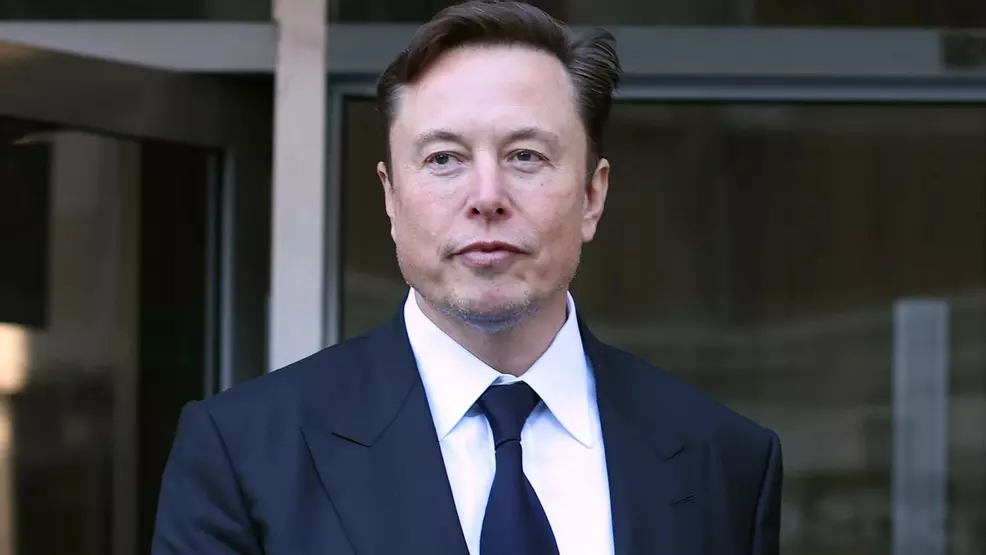
X, under the ownership of Elon Musk since late 2022, has undergone a series of controversial changes, including the rebranding from Twitter to X. These changes, coupled with Musk’s unorthodox management style, have led to a wave of criticism and, according to X, a concerted effort by some advertisers to withdraw their business from the platform.

The lawsuit claims that a coalition of advertisers, which includes some of the world’s largest brands, have unlawfully conspired to boycott X in response to its business and content moderation policies. This alleged boycott, according to X, is not just a reflection of individual companies choosing to spend their advertising dollars elsewhere, but a coordinated effort to inflict economic harm on the platform.
Allegations of Antitrust Violations
X argues that the advertisers’ actions constitute a violation of antitrust laws, specifically pointing to the Sherman Act, which prohibits business practices that are deemed to be anticompetitive. The lawsuit asserts that these advertisers have used their dominant market positions to collectively stifle competition, with X bearing the brunt of this strategy.
According to the lawsuit, the advertisers’ decision to pull out of the platform was not solely based on independent business judgments but was instead a result of secret meetings and communications designed to damage X’s financial standing. The lawsuit seeks damages and an injunction to prevent further boycott activities, alleging that the actions of these advertisers have led to a significant loss of revenue and market share.
Advertisers Respond
The advertisers named in the lawsuit have responded strongly, denying any wrongdoing and defending their right to choose where to allocate their advertising budgets. A spokesperson for one of the companies involved stated, “This lawsuit is baseless and appears to be an attempt by X to distract from its own business challenges. Advertisers make decisions based on a variety of factors, including brand safety and audience engagement, and there is no evidence of illegal coordination.”
Legal and Industry Implications
Legal experts are closely watching this case, as it could set a significant precedent for how antitrust laws are applied in the digital advertising space. The outcome could have far-reaching implications, not only for X but also for other social media platforms and the broader advertising industry.
If X succeeds in its claim, it could open the door to more lawsuits by digital platforms against advertisers, potentially altering the balance of power between these two sectors. On the other hand, if the court finds in favor of the advertisers, it could reaffirm the right of companies to make independent decisions about where to place their ad dollars without fear of legal repercussions.
Conclusion
As the case moves forward, it is likely to draw considerable attention from both the tech and legal communities. The conflict between X and these advertisers reflects the broader tensions between social media platforms and the brands that fund them, raising questions about free market practices, corporate responsibility, and the future of digital advertising.