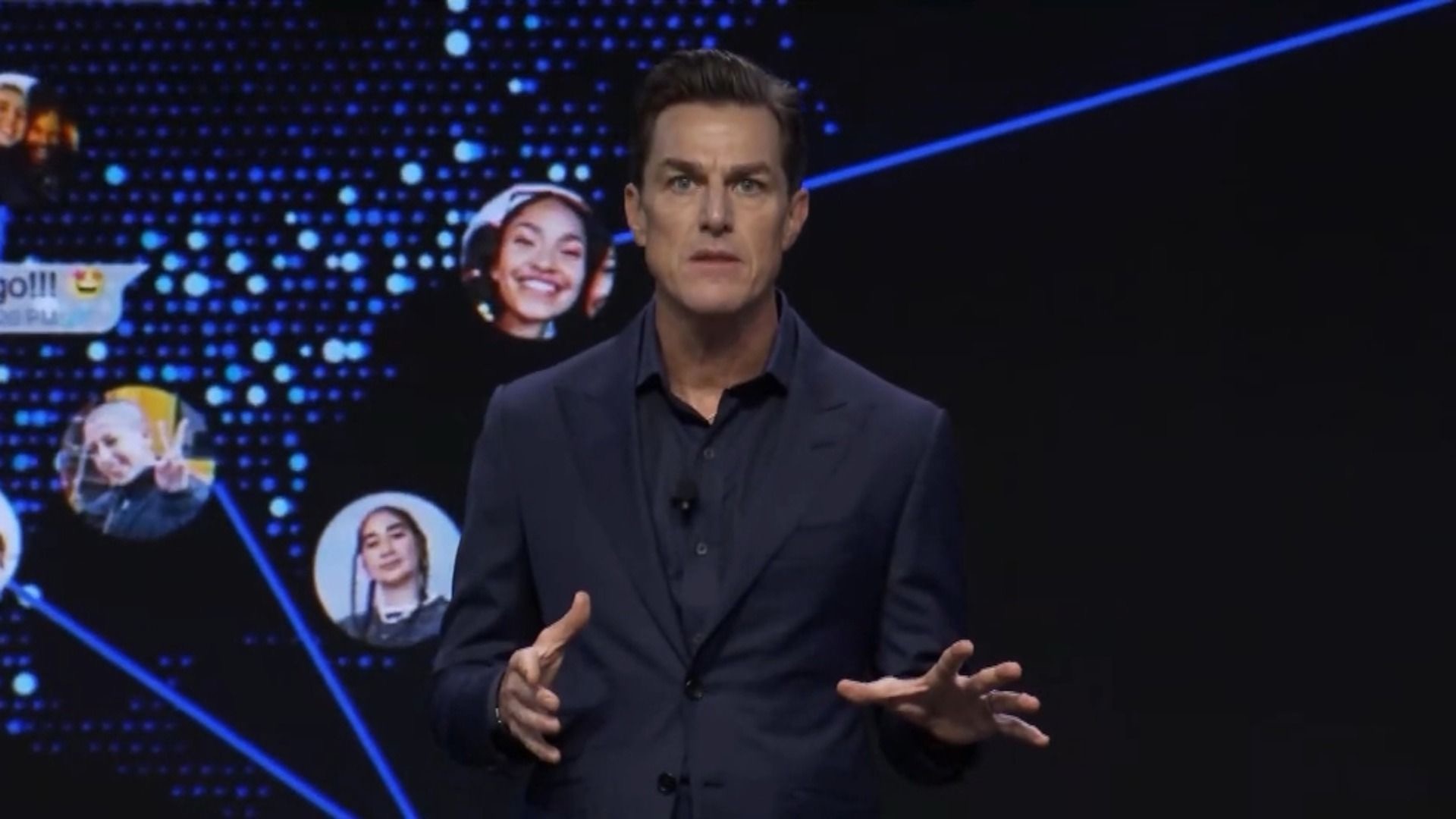
In the latest wave of departures, OpenAI has announced that several key executives are stepping down or shifting roles within the company. Among those leaving is Chief Operating Officer, Jane Doe, who played a pivotal role in scaling OpenAI’s commercial operations and ensuring compliance with emerging AI regulations. Her departure is seen as a major loss, given her integral role in navigating the complex landscape of AI governance and ethical concerns.
In addition to Doe, the company’s Chief Technology Officer, Dr. John Smith, has also announced his resignation. Dr. Smith has been with OpenAI since its inception and is credited with overseeing the development of some of its most advanced models, including GPT-4 and the more recent GPT-5. His exit raises questions about the future direction of OpenAI’s research and development efforts.

Reasons for the Departures
While the company has not provided detailed explanations for the departures, sources within OpenAI suggest that the moves are part of a broader restructuring aimed at addressing internal tensions and external pressures. There have been reports of disagreements within the leadership team about the company’s strategic direction, particularly concerning the balance between commercial objectives and OpenAI’s original mission of ensuring that artificial general intelligence (AGI) benefits all of humanity.
Moreover, the departures come at a time when OpenAI is under increased scrutiny from regulators and advocacy groups who are concerned about the potential societal impacts of its technologies. The European Union’s AI Act, set to be implemented later this year, has prompted many tech companies, including OpenAI, to reevaluate their leadership and compliance strategies.
Implications for OpenAI’s Future
The leadership shake-ups are likely to have significant implications for OpenAI’s future. The company has been a pioneer in the AI field, with its models being used across a wide range of industries, from healthcare to finance. However, these recent changes could slow down its innovation momentum, at least in the short term.

Industry analysts have noted that while leadership transitions are not uncommon in fast-growing tech companies, the frequency and timing of these changes at OpenAI are concerning. “OpenAI is at a critical juncture,” said Sarah Johnson, a tech industry analyst. “The company needs stable leadership to navigate the regulatory landscape and maintain its position at the forefront of AI innovation.”
OpenAI’s Response
In response to the departures, OpenAI’s CEO, Sam Altman, issued a statement emphasizing the company’s commitment to its mission and its ongoing efforts to recruit top talent. “Leadership changes are part of the natural evolution of any organization, especially in a rapidly changing field like AI,” Altman said. “We remain focused on our core objectives and are confident in our team’s ability to drive OpenAI forward.”

Altman also hinted at upcoming announcements regarding new leadership appointments and strategic initiatives, which he believes will strengthen the company’s position in the industry.
Looking Ahead
As OpenAI navigates these turbulent waters, the tech world will be closely watching how the company manages this transition. With AI playing an increasingly central role in global affairs, the stability and direction of OpenAI’s leadership will be crucial in shaping the future of the industry.
In the meantime, investors, partners, and employees alike are left to ponder what these changes mean for the company’s future and its broader impact on society.