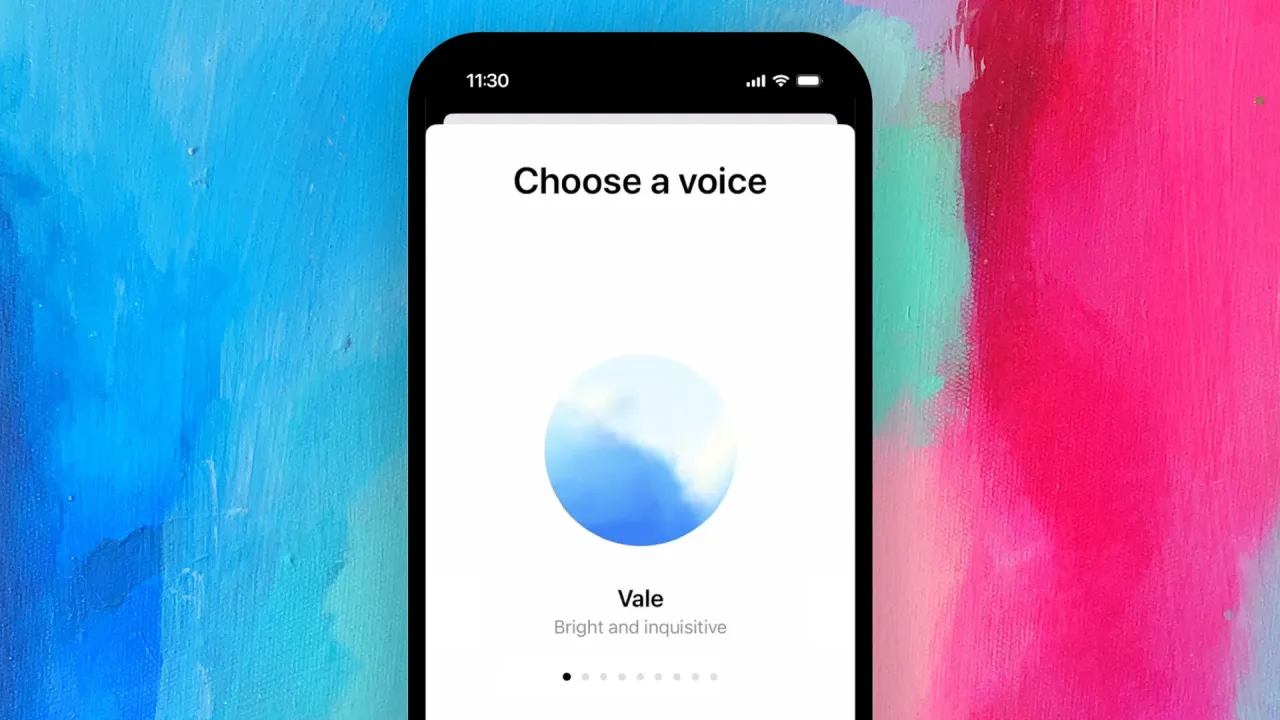
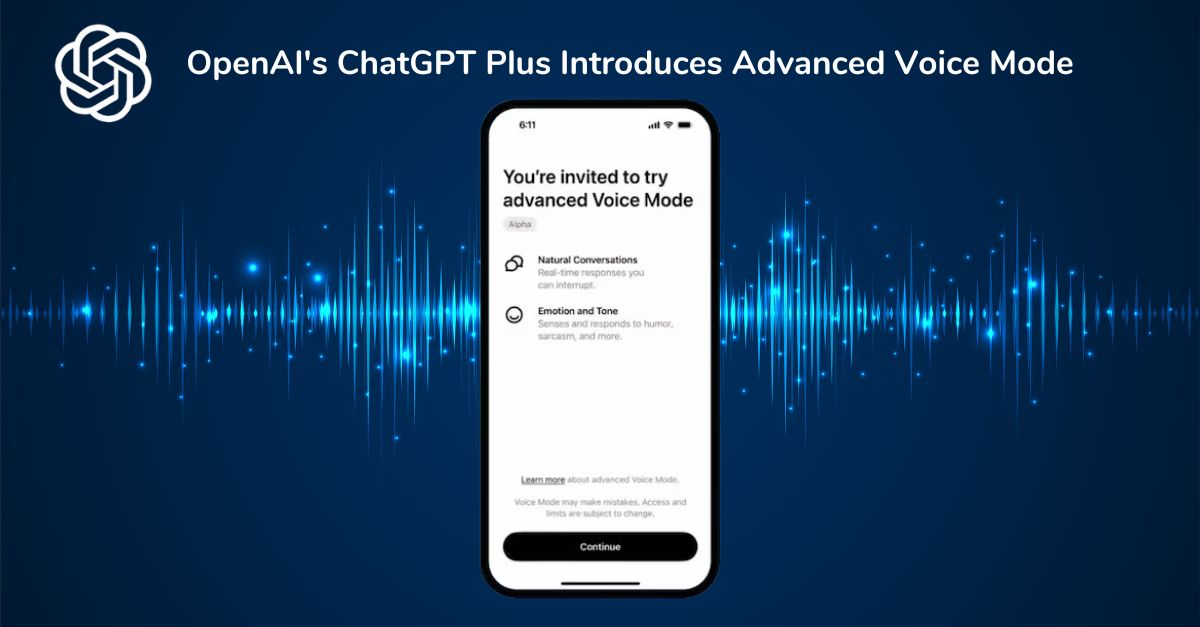
OpenAI has officially launched an advanced voice mode for ChatGPT, allowing users to engage in audio chats with the AI model. This new feature aims to enhance user experience by providing a more natural, conversational way to interact with ChatGPT, making it accessible for various applications, from casual conversations to educational purposes.
The voice mode enables users to speak directly to ChatGPT, which responds in real-time with human-like vocal responses. This development marks a significant step forward in the AI’s capability to engage users, combining text and voice interaction to create a seamless communication experience.
How to Use Voice Mode
To access the new voice feature, users can follow these simple steps:
- Update the App: Ensure that you have the latest version of the ChatGPT app installed on your device. The voice mode is available on both iOS and Android platforms.
- Enable Voice Mode: Open the app and navigate to the settings menu. Here, you’ll find the option to enable voice mode. Once activated, users will see a microphone icon in the chat interface.
- Start Speaking: Tap the microphone icon to begin your audio chat. Speak naturally, and ChatGPT will listen and respond accordingly.
- Adjust Settings: Users can customize voice settings, including voice tone and speed, allowing for a personalized interaction experience.
- Feedback and Interaction: After receiving a response, users can continue the conversation by simply tapping the microphone icon again. The AI can handle follow-up questions and maintain context throughout the interaction.
OpenAI’s new feature has generated excitement among users who appreciate the convenience of voice communication. “This update makes chatting with ChatGPT feel much more personal and engaging,” said Emily Tran, a beta tester for the feature. “It’s like having a conversation with a friend rather than just typing.”

The introduction of voice mode aligns with OpenAI’s mission to make AI more user-friendly and accessible. As voice technology continues to advance, the company envisions broader applications, such as in education, where students can interact with ChatGPT for learning support, or in customer service, where businesses can leverage AI to improve user engagement.
With this launch, OpenAI continues to push the boundaries of conversational AI, providing users with innovative tools to enhance their interaction with technology. As voice recognition technology evolves, users can expect further improvements and features in the future.