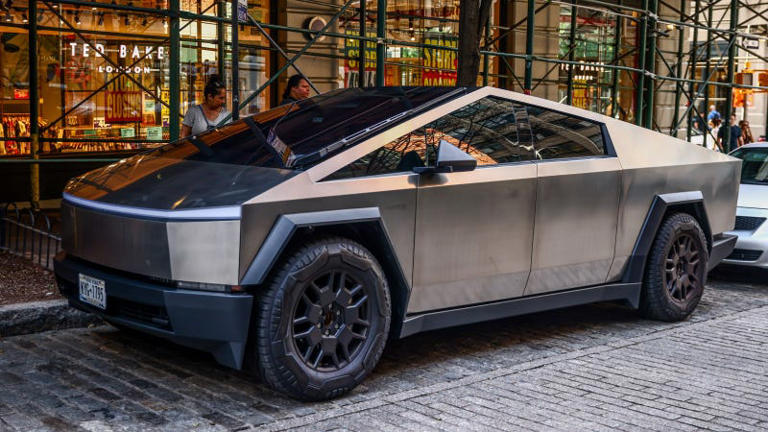
In a surprising move, GEICO has announced the termination of insurance coverage for Tesla’s much-anticipated Cybertruck, stating that the vehicle does not align with its underwriting guidelines. The decision has left many prospective Cybertruck owners questioning their options for insuring the innovative electric vehicle.
GEICO, one of the largest auto insurers in the United States, informed customers via email that the unique design and features of the Cybertruck have prompted a reassessment of its risk criteria. “This type of vehicle doesn’t meet our underwriting guidelines,” the company stated, emphasizing its commitment to maintaining a balanced portfolio while managing risk effectively.
The Tesla Cybertruck, with its futuristic design and robust capabilities, has garnered significant attention since its unveiling. Its unorthodox structure, made from ultra-hard 30X cold-rolled stainless steel, and features like an adaptable air suspension system and impressive towing capacity have contributed to its popularity among tech enthusiasts and eco-conscious consumers alike.

However, GEICO’s decision highlights the challenges insurers face when assessing unconventional vehicles. The company did not specify which aspects of the Cybertruck influenced its decision but noted that its underwriting guidelines consider factors such as vehicle safety, repair costs, and market demand.
The termination has sparked a debate within the automotive insurance community. Industry experts suggest that the Cybertruck’s unique attributes may present unforeseen challenges regarding safety ratings and repair costs, which could pose significant risks for insurers.
“Insurers are tasked with evaluating risks based on data and historical performance,” said automotive insurance analyst Sarah Thompson. “With the Cybertruck being a new entrant into the market, there’s limited data to assess its long-term reliability and safety, which may lead to cautious approaches from insurers like GEICO.”
Tesla owners and potential buyers are now seeking alternative insurance options. Many are turning to companies that specialize in insuring electric vehicles or those with more flexible underwriting guidelines. Tesla itself offers an insurance program tailored for its vehicles, promising competitive rates and specialized coverage.
Customers who received the termination notice from GEICO expressed frustration, particularly given the Cybertruck’s strong fanbase and the vehicle’s expected launch in the coming months. “I was excited to finally get my Cybertruck, and now I have to scramble for insurance at the last minute,” said one prospective owner.
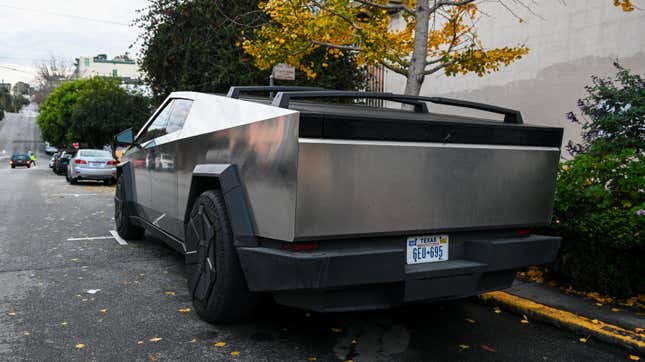
Tesla has not yet commented on GEICO’s decision, but the automaker continues to promote the Cybertruck’s capabilities and features as it prepares for its official rollout.
As the automotive landscape evolves with new technologies and designs, the industry will likely see more such challenges in insurance coverage. Insurers are expected to adapt their guidelines and pricing structures as they gather more data on emerging vehicle types.
For now, prospective Cybertruck owners will need to navigate their insurance options carefully as they prepare to embrace this revolutionary vehicle.