
In a groundbreaking development, multiple major stadiums across Australia have reportedly implemented facial recognition technology as part of their security measures. This move aims to enhance safety, streamline access control, and provide a seamless experience for attendees at various sporting and entertainment events.
The integration of facial recognition technology is a significant step forward in bolstering security protocols within these venues. By leveraging advanced biometric technology, stadiums can identify individuals quickly and accurately, contributing to a safer environment for spectators.
The initiative has been spearheaded by stadium management in collaboration with technology providers specializing in facial recognition. While specific details regarding the technology and systems employed remain undisclosed, it is believed that the implementation adheres to strict privacy and data protection regulations.
With facial recognition in place, stadium authorities can identify individuals with a high level of accuracy and efficiency. This technology enables rapid verification of attendees, potentially minimizing entry delays and long queues at the entry points. Furthermore, it can assist in identifying any individuals on watchlists, providing an added layer of security for events with large crowds.
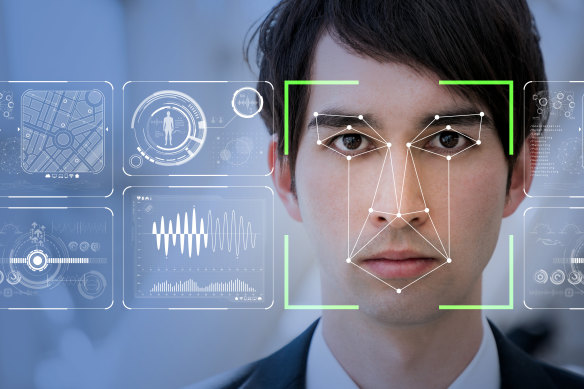
The adoption of facial recognition technology aligns with global trends in enhancing security measures at public venues. Several countries and organizations have already embraced this technology to bolster their security protocols effectively. Australian stadiums joining this trend demonstrate a proactive approach to safeguarding attendees and ensuring a positive experience during events.
However, concerns related to privacy and data protection have also surfaced alongside the implementation of facial recognition technology. While stadium authorities assure the public that appropriate measures are in place to safeguard personal data, it is essential to address any potential risks and ensure compliance with existing privacy laws and regulations.
In response to privacy concerns, stadium management has emphasized that the data collected through facial recognition technology will be used solely for security purposes and not shared with third parties without explicit consent. Additionally, transparency regarding data usage and storage practices will be essential in maintaining public trust and addressing any potential apprehensions.
The utilization of facial recognition technology is expected to set new industry standards for security at large-scale events. As the technology continues to evolve, it may provide additional features such as real-time crowd monitoring, behavior analysis, and threat detection capabilities, further enhancing overall safety and security.
While this development marks a significant milestone for Australian stadiums, it also raises important discussions about the balance between privacy and security. As the implementation progresses, ongoing collaboration between stadium authorities, technology providers, and privacy advocates will be crucial to address concerns and ensure the responsible use of facial recognition technology.
As the new era of enhanced security unfolds in Australian stadiums, attendees can anticipate a safer and more seamless experience. The successful integration of facial recognition technology sets a precedent for other venues and organizations to follow suit, with the ultimate goal of prioritizing public safety without compromising personal privacy.