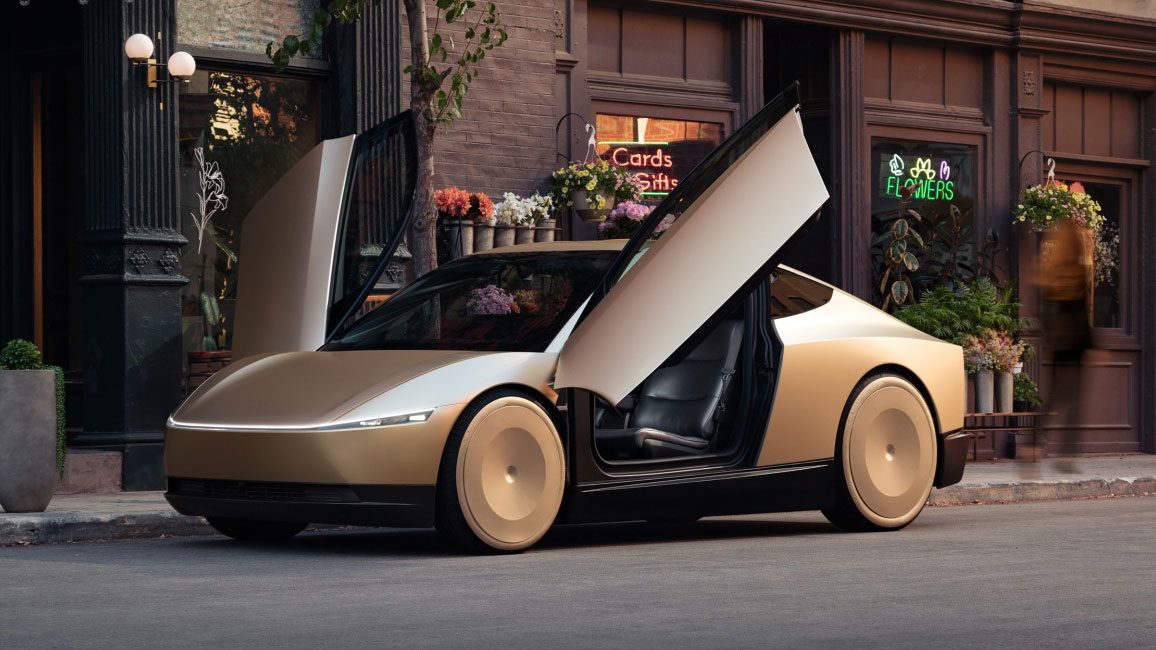
In a dramatic shift for the electric vehicle giant, Tesla Inc. has seen its market value decline by a staggering $60 billion, following a lukewarm reception from investors regarding its much-anticipated self-driving ‘Cybercab’ launch.
The Cybercab, unveiled earlier this week, was touted by CEO Elon Musk as a revolutionary step forward in autonomous transportation. The vehicle, designed for ride-sharing and urban mobility, was expected to be a game-changer in both the electric vehicle and autonomous driving sectors. However, investor enthusiasm quickly faded as concerns over the technology’s readiness and regulatory hurdles took center stage.
Shares of Tesla dropped nearly 10% in the days following the launch, bringing the company’s market capitalization to approximately $550 billion. Analysts have pointed to a combination of factors contributing to this decline, including skepticism about the Cybercab’s capabilities and a broader slowdown in the tech sector.
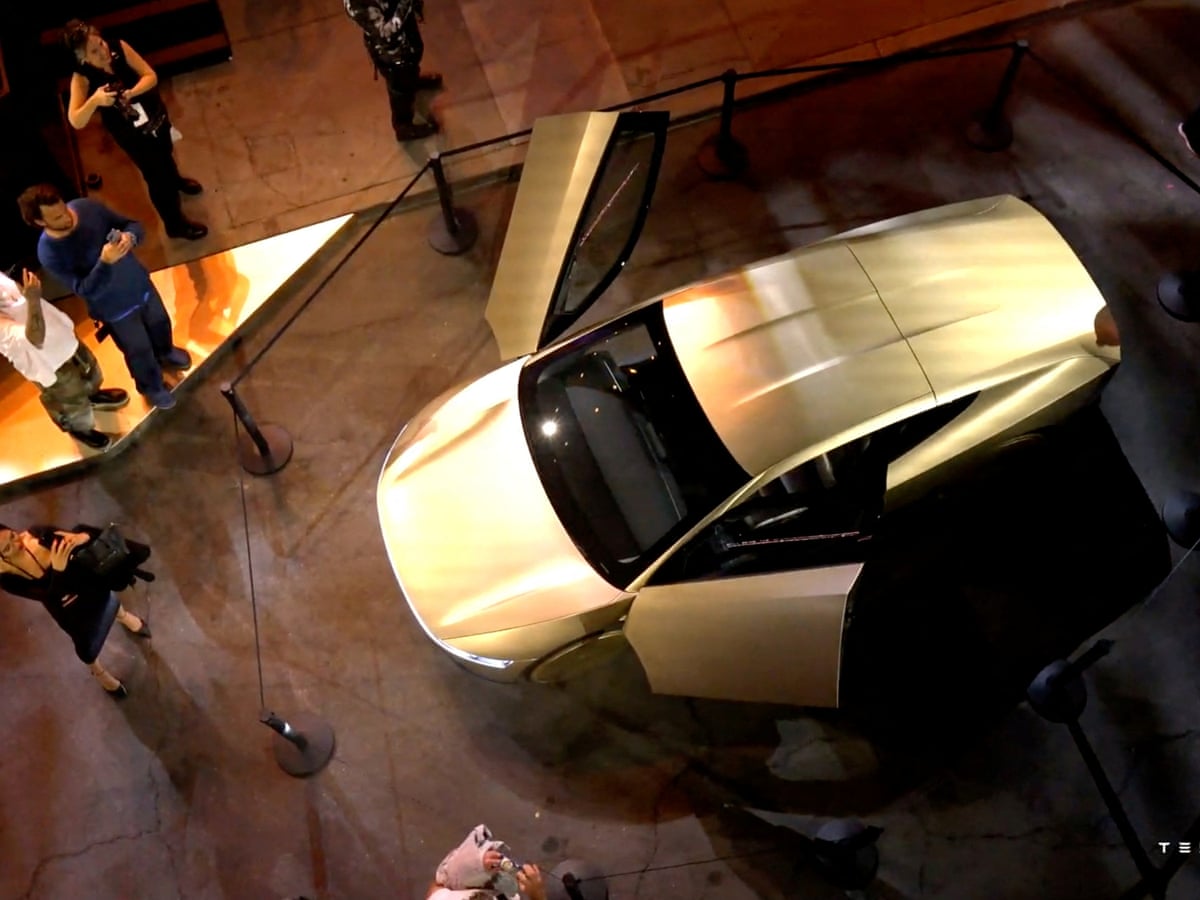
“Investors were hoping for a breakthrough that would set Tesla apart from competitors like Waymo and Cruise,” said industry analyst Jane Thompson. “Instead, they received a product that seems to be more concept than reality at this stage.”
Critics have highlighted issues with the Cybercab’s self-driving software, which is still in beta testing. Reports of difficulties navigating complex urban environments and handling unpredictable traffic conditions have raised questions about its viability for widespread use. Additionally, regulatory approval remains uncertain, with several jurisdictions expressing caution over fully autonomous vehicles.
The backlash has also reignited discussions around Tesla’s overall business strategy. While the company has long been seen as a leader in electric vehicle technology, concerns are mounting that it may be losing ground in the race for autonomous driving supremacy. Competitors have made significant advancements in self-driving technology, prompting some investors to reconsider their positions.
Musk, who has faced criticism for his ambitious timelines in the past, defended the Cybercab during a recent conference call, asserting that the technology will mature and that he remains committed to achieving full autonomy. “We are at the forefront of a transformative era in transportation,” he stated. “While challenges remain, we are confident in our path forward.”

As Tesla grapples with this setback, the company faces increasing pressure to deliver on its promises. Investors will be closely watching the next steps in the Cybercab’s development and its impact on Tesla’s market position.
With the future of autonomous vehicles still in flux, the outcome of Tesla’s self-driving ambitions could reshape the landscape of the automotive industry, making the coming months critical for the company’s recovery and growth.