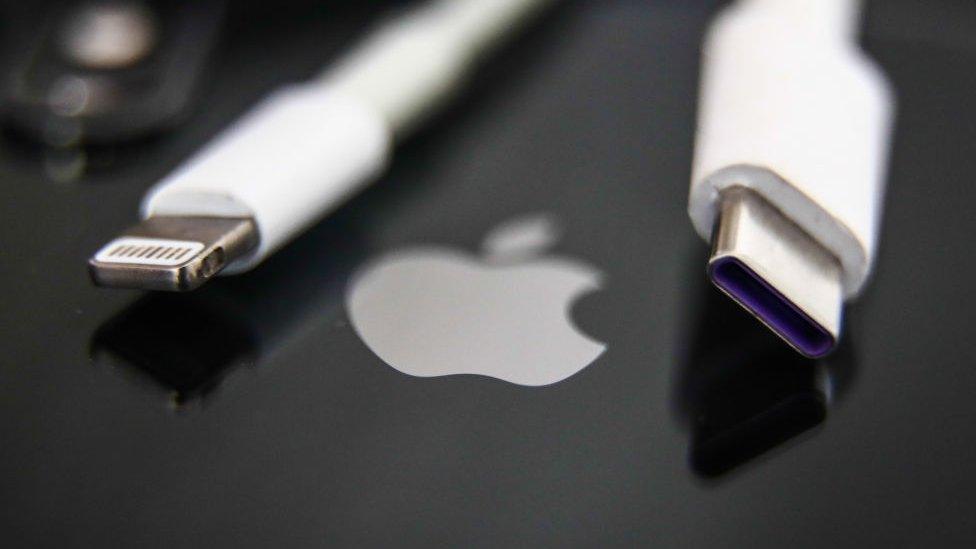
In a significant move towards standardizing charging technology, the United Kingdom is contemplating the adoption of USB-C as the common charging standard for electronic devices. This consideration comes in the wake of the European Union’s successful implementation of a similar mandate aimed at reducing electronic waste and improving consumer convenience.
The UK government has expressed its intent to align with the EU’s initiative, which mandates that all mobile phones, tablets, and other portable devices must be equipped with a USB-C charging port by 2024. This policy is designed to minimize the number of different chargers in circulation, ultimately reducing environmental impact and easing the burden on consumers who often find themselves with a drawer full of incompatible chargers.

The proposal has garnered support from various consumer advocacy groups, who argue that a universal charging standard would not only simplify the user experience but also drive innovation in the tech industry. Advocates highlight that the shift to USB-C would provide a more efficient and faster charging solution, benefiting both consumers and manufacturers alike.
Critics, however, have raised concerns about the potential impact on existing products and the cost implications for manufacturers, particularly smaller companies that may struggle to adapt to the new standard. The government has assured that any transition would be implemented gradually, allowing time for businesses to adjust.
In a statement, a spokesperson for the Department for Business and Trade said, “We are committed to reducing electronic waste and supporting consumers in their daily lives. Adopting USB-C as a common charging standard aligns with our sustainability goals and fosters innovation in the tech sector.”
As the UK weighs its options, it joins a growing list of countries and regions considering similar measures. If adopted, this legislation could significantly change the landscape of consumer electronics, paving the way for a more streamlined and environmentally friendly approach to device charging.
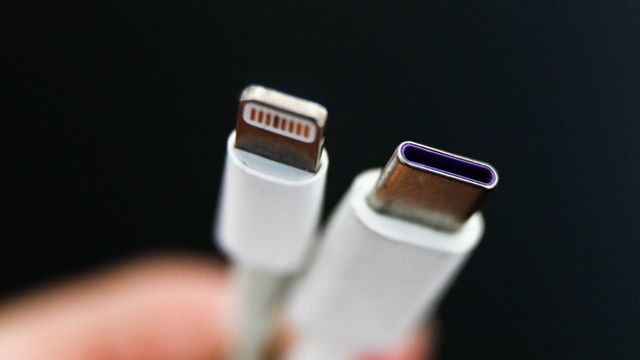
The decision is expected to be discussed in upcoming parliamentary sessions, with stakeholders from various sectors urged to provide their input on the proposed standard.