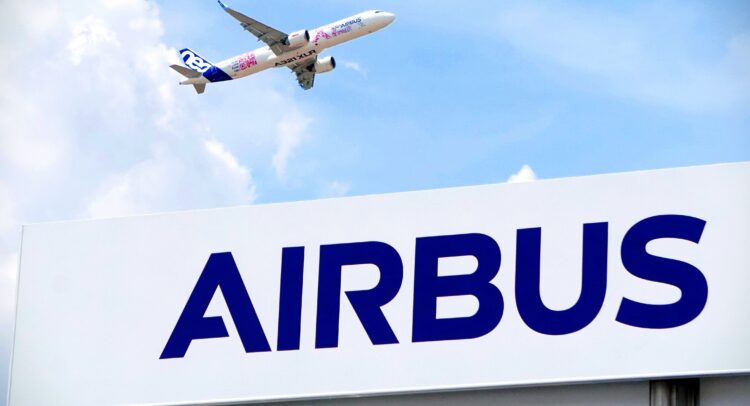
In a significant move aimed at cutting costs amid growing economic pressures, Airbus, one of the world’s largest aircraft manufacturers, has announced plans to reduce its global workforce by 5%. The restructuring, which is expected to affect over 2,000 employees across its operations, comes as the company navigates rising inflation, supply chain disruptions, and a shift in the aviation industry’s post-pandemic recovery.
The Layoffs: What We Know So Far
Airbus confirmed that the job cuts would be spread across various regions, including its headquarters in Toulouse, France, as well as other production sites in Europe, North America, and Asia. The company emphasized that the layoffs would primarily target corporate functions, administrative roles, and certain engineering departments, with fewer cuts expected on the production line, where demand for commercial aircraft remains high.

A company statement indicated that the decision was a necessary step to ensure “long-term competitiveness and profitability,” amid tightening margins and increasing costs of raw materials, labor, and energy.
“Airbus has always prided itself on its agility in the face of challenges, and these measures are essential to maintaining our leadership in the global aerospace sector,” said Guillaume Faury, CEO of Airbus. “We are deeply aware of the impact this will have on our employees, and we are committed to providing support through severance packages, retraining programs, and outplacement services.”
The company also noted that the job reductions would be implemented over the next six months, with some cuts expected to take effect by the end of the first quarter of 2025.
The Bigger Picture: Economic and Industry Factors
Airbus, along with its main rival Boeing, has been grappling with several external pressures that have strained its operations in recent years. The COVID-19 pandemic decimated global air travel and led to a slump in aircraft deliveries. Although the industry has largely recovered, rising energy costs, inflation, and supply chain challenges continue to weigh heavily on margins.
The European aviation giant has also faced difficulties related to the increased demand for aircraft components, which have been delayed due to shortages of key materials and components, particularly semiconductors. Additionally, the war in Ukraine and geopolitical uncertainties have led to fluctuations in global demand and disrupted supply lines, forcing many aerospace companies to reconsider their strategies for growth and cost management.
In light of these factors, many industry experts believe Airbus’s decision to downsize was inevitable as part of a broader trend seen across the aerospace sector. Rivals such as Boeing and Rolls-Royce have already made similar moves in recent years to streamline operations and weather the storm.
“Cost-cutting is becoming a standard response in the aerospace industry as companies aim to stay profitable in an unpredictable market,” said Richard Cooper, an aerospace analyst at Global Aviation Insights. “While the industry is rebounding, the challenges ahead—especially in terms of inflation and raw material costs—are forcing companies like Airbus to make difficult decisions.”
Reactions from Employees and Unions
The news of the layoffs has been met with disappointment and concern from Airbus employees and labor unions. Unions representing workers at several Airbus sites have criticized the decision, calling it a “cost-cutting measure at the expense of hard-working employees.”
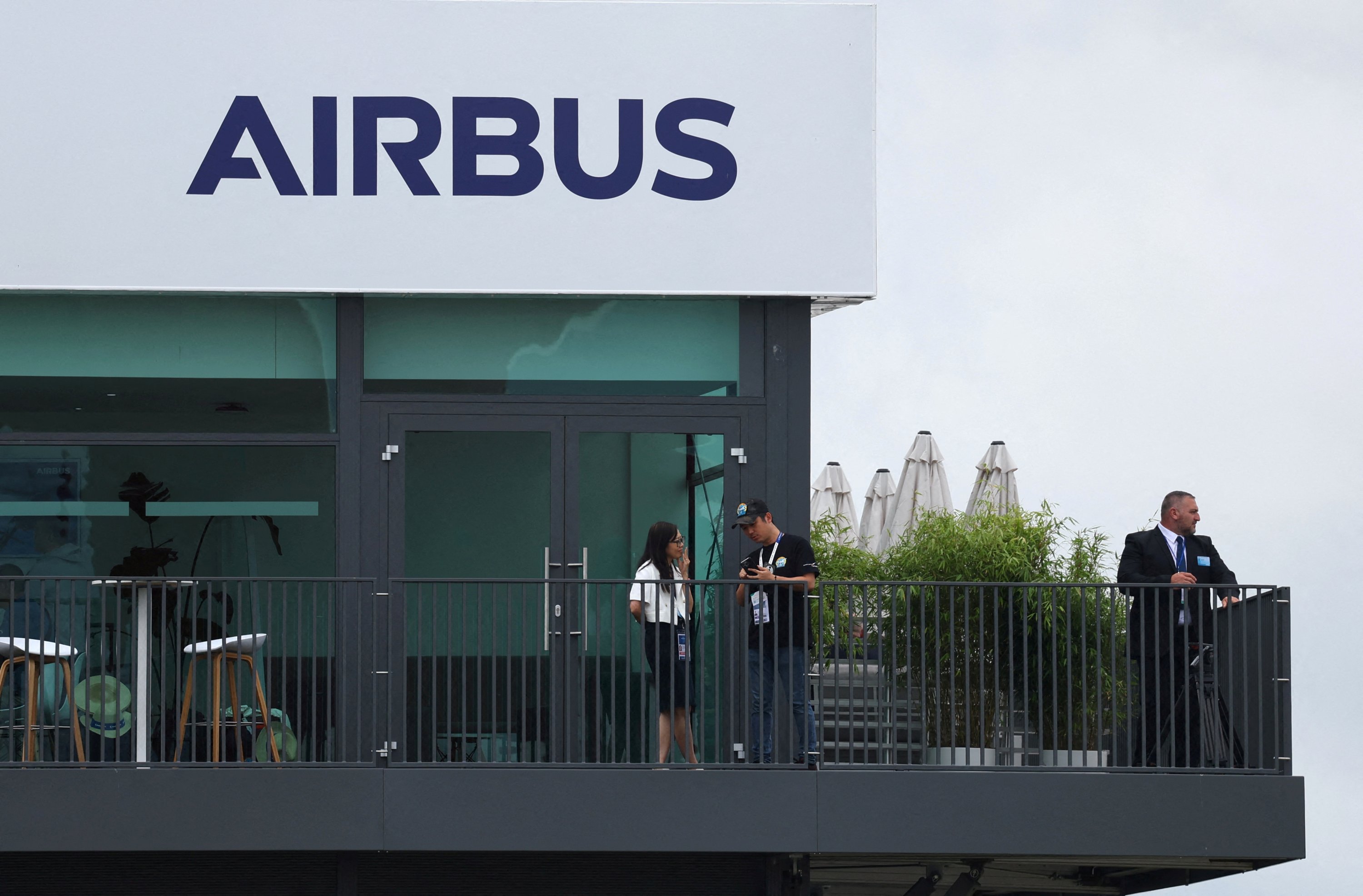
“We are shocked by this announcement,” said Marie Dubois, a union representative at Airbus’s Toulouse facility. “Thousands of workers have contributed to Airbus’s success over the years, and now they are being told that their jobs are no longer necessary. We demand that the company reconsider and find alternative solutions to reduce costs.”
Unions have vowed to fight for compensation packages and job protection measures, and they have called for further negotiations with management to minimize the impact on workers.
The job cuts are expected to affect both senior engineers and mid-level employees, although the exact breakdown of roles and locations will not be made public until the layoffs are finalized.
What’s Next for Airbus?
Airbus’s decision to reduce its workforce comes at a time when the aviation industry is entering a period of transformation. With increasing environmental concerns, the rise of sustainable aviation technologies, and the demand for greener, more fuel-efficient aircraft, Airbus has pledged to shift its focus toward developing more eco-friendly aviation solutions, including electric and hybrid aircraft. However, whether the company can maintain its workforce while investing in these innovations remains to be seen.
For now, Airbus’s leaders are emphasizing that the company is not retreating from its long-term goals, despite the cost-saving measures.
“While we must make difficult choices in the short term, our commitment to building the future of aviation—through new technologies and sustainability initiatives—remains strong,” said Faury. “This restructuring will ensure that we are well-positioned to continue leading the aerospace industry for decades to come.”
As the aerospace giant moves forward with its cost-saving strategy, employees, shareholders, and industry experts alike will be closely watching to see if Airbus can navigate these challenging times while maintaining its competitive edge in the global market.