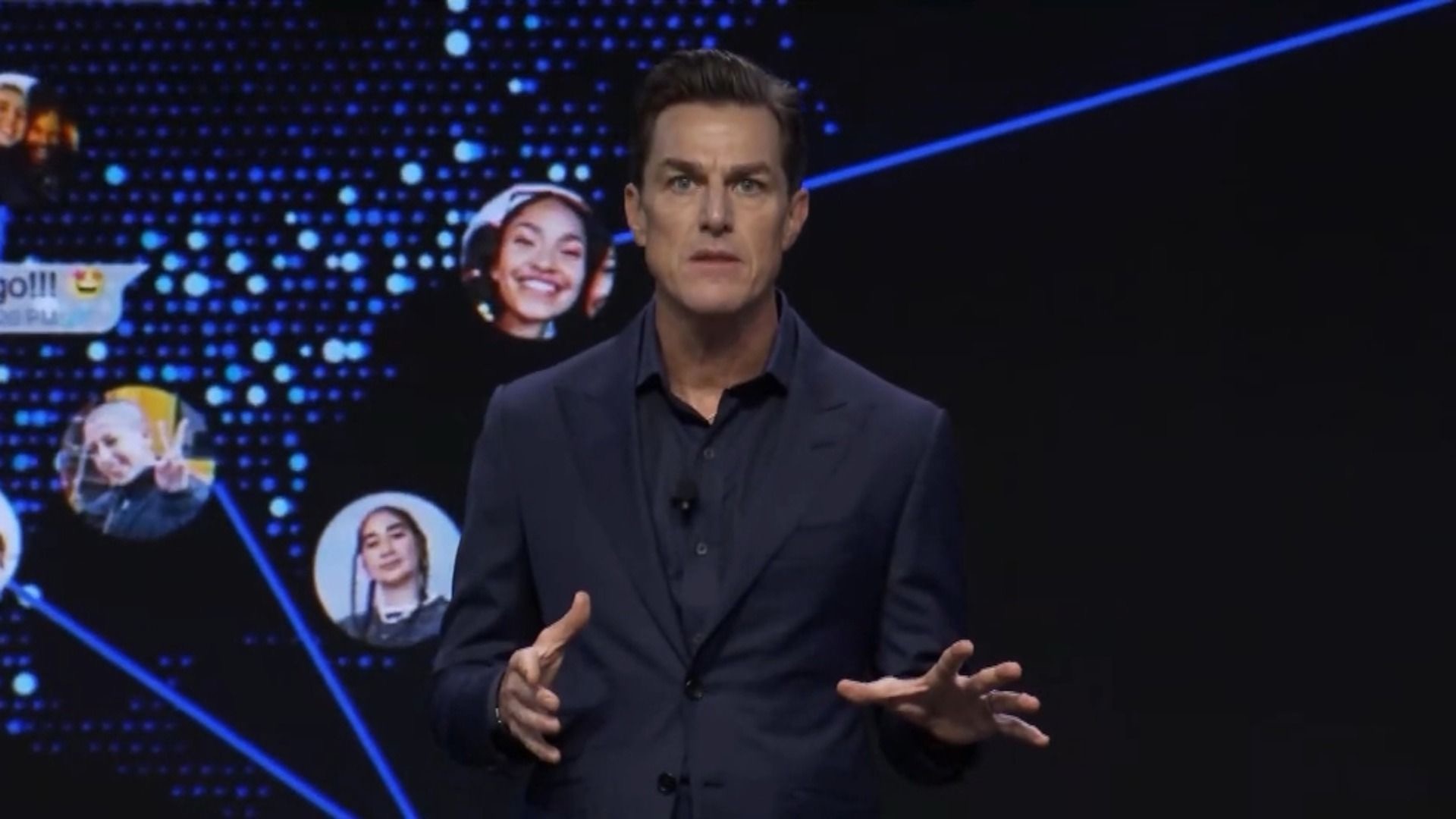
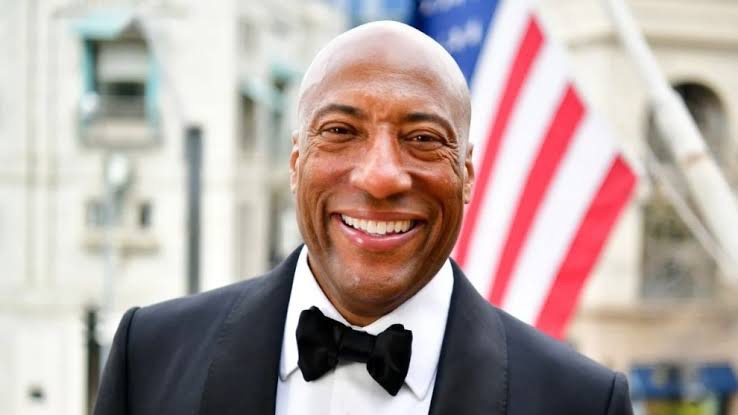
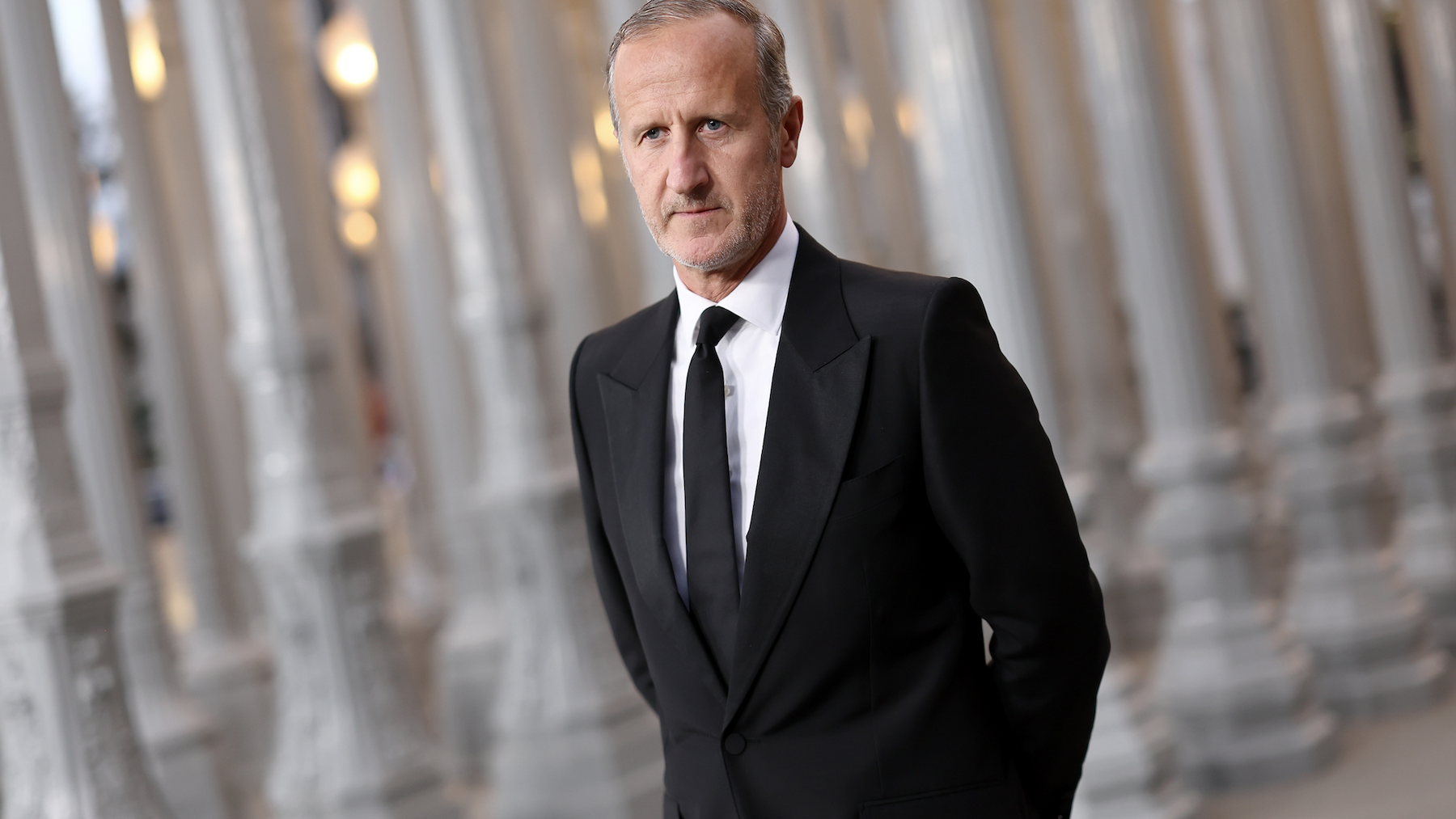
Italian luxury fashion house Dolce & Gabbana has named Stefano Cantino, the former chief executive of Gucci, as its new co-chief executive officer, marking a significant leadership transition as the brand seeks to strengthen its global position and navigate a challenging luxury market environment.
Cantino will serve alongside Alfonso Dolce, the company’s current CEO and chairman, who is also the brother of co-founder Domenico Dolce. The move signals a deliberate effort to combine long-standing institutional knowledge with fresh strategic expertise at a time when the Milan-based label is undergoing structural and financial recalibration.
The leadership change follows a series of internal shifts within the company. Earlier this year, co-founder Stefano Gabbana stepped down as chairman, though he continues to play a key role in shaping the brand’s creative direction alongside Domenico Dolce. This transition reflects a broader evolution from founder-centric leadership toward a more corporate and globally aligned governance structure.
Cantino’s appointment brings extensive experience from across the luxury fashion industry. Prior to his stint at Gucci, he held senior roles at Louis Vuitton and Prada, where he was instrumental in advancing brand communication strategies and enhancing global market visibility. His track record is expected to support Dolce & Gabbana’s ambitions to refine its brand positioning and expand its international reach.
Industry observers view the move as a strategic attempt to modernize the company’s operational framework. While Dolce & Gabbana remains renowned for its bold aesthetic and deep-rooted Italian identity, it has faced increasing pressure to keep pace with competitors in areas such as digital transformation, sustainability, and global brand perception. Cantino’s expertise is seen as particularly relevant in addressing these gaps.
The appointment also comes amid a challenging financial backdrop for the luxury sector. Slowing demand in key markets, including Europe and Asia, coupled with rising operational costs, has prompted many fashion houses to reassess their growth strategies. Dolce & Gabbana, which remains one of the few major independent luxury brands, is no exception.
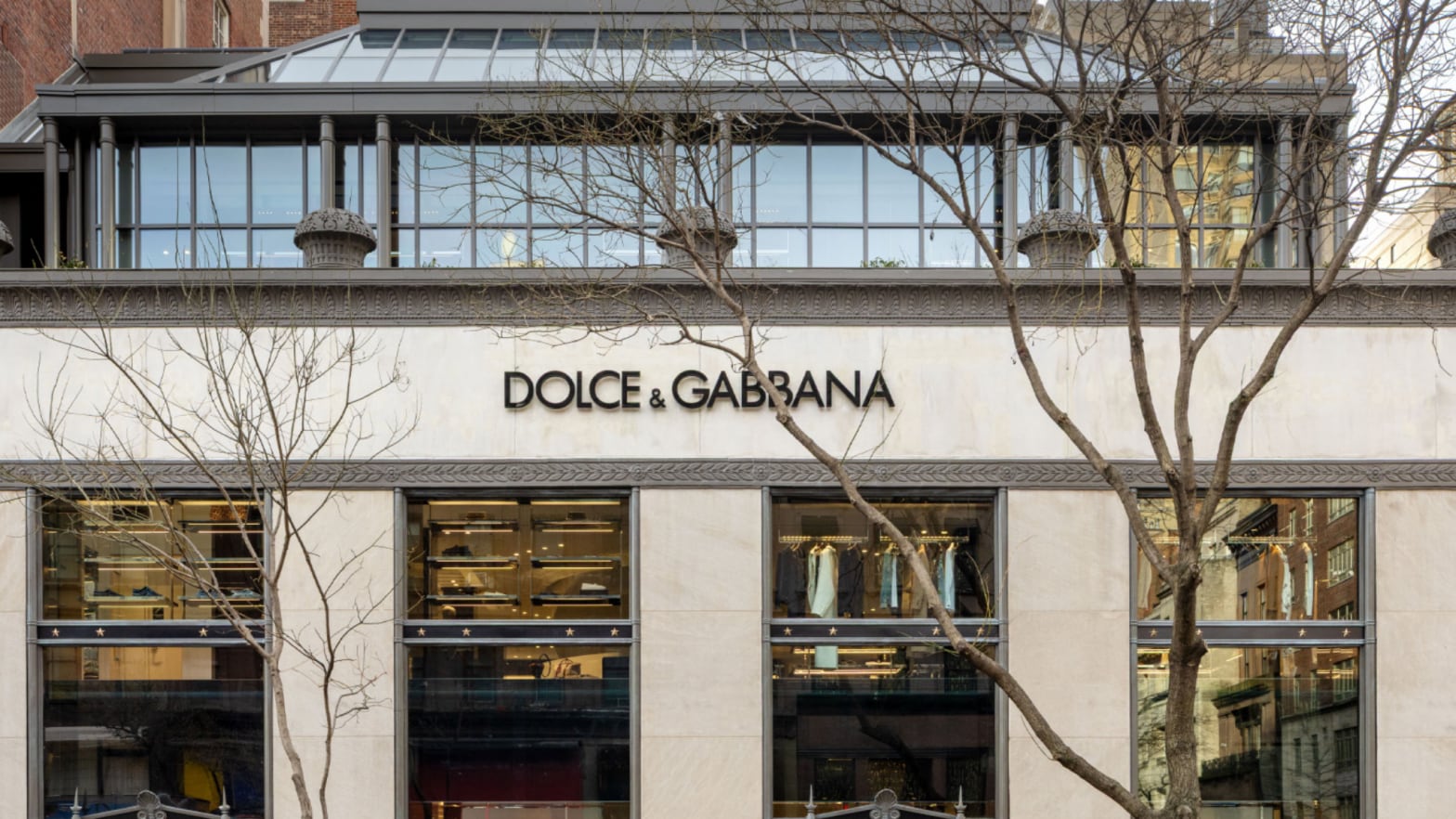
In response, the company has been actively pursuing diversification beyond its core fashion business. Over recent years, it has expanded into categories such as beauty, home décor, and high-end real estate, aiming to position itself as a comprehensive lifestyle brand. Strategic partnerships and licensing agreements have further supported this transition, broadening the label’s footprint across multiple segments of the luxury market.
Cantino is expected to play a central role in executing this broader vision. His experience in global branding and communications could help unify the company’s expanding portfolio under a cohesive identity, while also strengthening its appeal to a new generation of consumers. At the same time, his appointment may reassure stakeholders looking for stronger governance and a clearer strategic roadmap.
Despite the executive changes, the creative core of the brand remains unchanged. Domenico Dolce and Stefano Gabbana continue to lead the design direction, ensuring continuity in the label’s signature style, which blends theatrical flair with traditional Italian craftsmanship. This dual approach—pairing creative consistency with managerial evolution—reflects a wider trend across the luxury industry.
The adoption of a co-CEO model highlights the complexity of the company’s transformation. By sharing leadership responsibilities, Dolce & Gabbana aims to balance operational efficiency with long-term strategic planning. Alfonso Dolce’s deep familiarity with the company’s inner workings is expected to complement Cantino’s external perspective and global experience.
As competition intensifies and consumer expectations evolve, the success of this leadership transition will be closely watched. Dolce & Gabbana’s ability to integrate new management practices while preserving its distinctive identity will likely determine its trajectory in the years ahead.
For now, the appointment of Stefano Cantino signals a clear commitment to change—one that reflects both the challenges and opportunities facing the global luxury fashion industry.