Tesla is reportedly grappling with a significant commercial setback as it struggles to sell its highly anticipated Cybertruck. Once billed as the future of electric pickups and backed by over a million reservations, the vehicle has instead become a mounting financial liability. With an estimated $800 million worth of unsold Cybertrucks currently sitting in inventory, Tesla’s ambitious foray into the electric truck market is facing critical scrutiny.
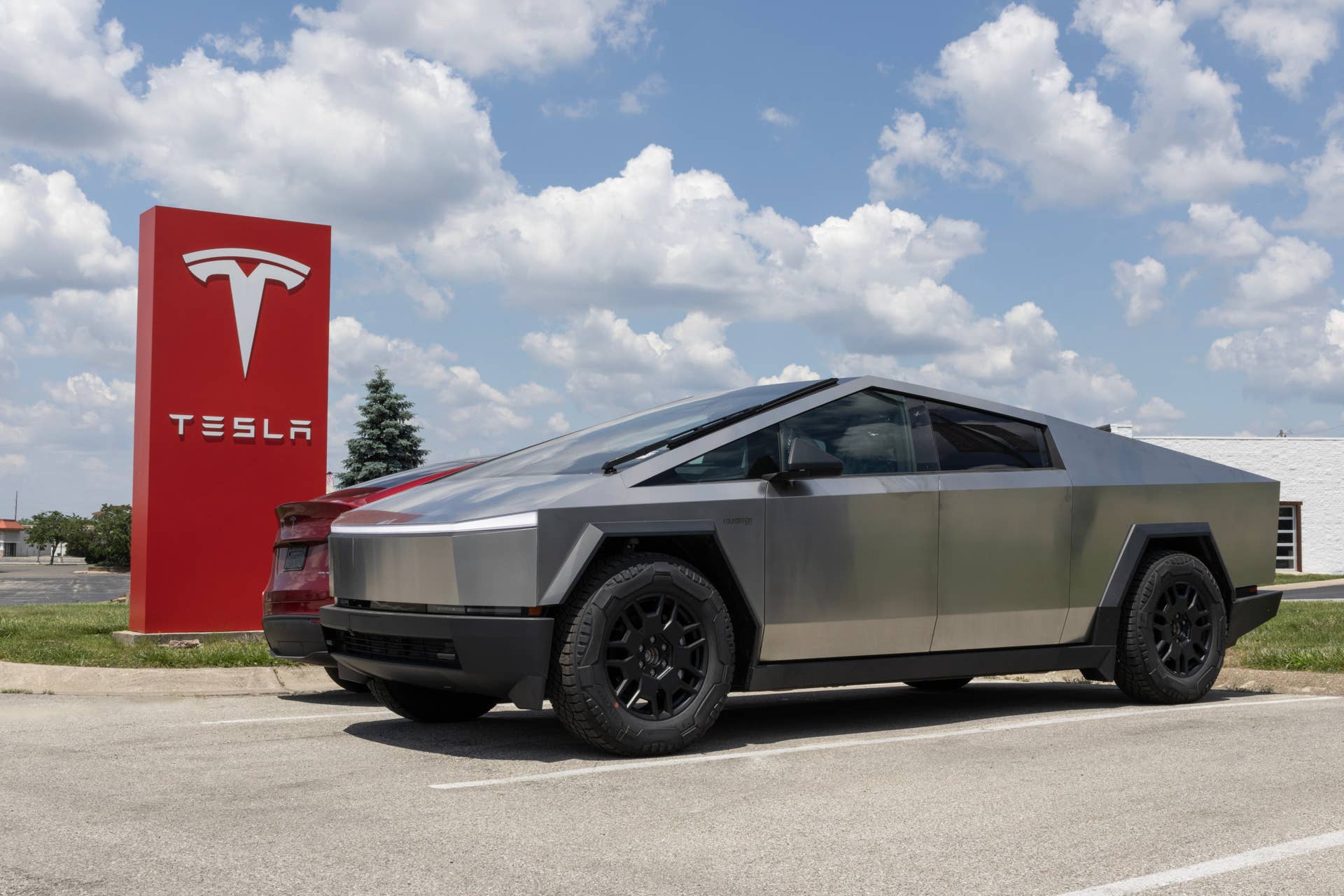
Launched with fanfare in late 2023 after multiple delays, the Cybertruck’s radical design, stainless steel exoskeleton, and promises of revolutionary performance features captivated early adopters and tech enthusiasts alike. However, the reality has fallen short of expectations. In the months following its release, actual sales have lagged far behind initial projections. Tesla had aimed to produce and sell up to 250,000 units annually, but barely a fraction of that number has reached consumers.

One of the primary reasons for the lackluster reception is a significant disconnect between early marketing and the final product. The Cybertruck was originally touted with a base price of under $40,000, positioning it as a competitive alternative to traditional gas-powered trucks. However, by the time it hit the market, prices had surged—starting at nearly $70,000 for the base model and climbing to over $100,000 for the premium “Cyberbeast” variant. Combined with a lack of key features promised during initial unveilings, such as extended battery range options and certain off-road capabilities, consumer enthusiasm has dimmed considerably.
Tesla’s attempts to stimulate demand through heavy discounting have done little to alleviate the situation. In April, the company introduced price cuts of up to $10,000 on select Cybertruck models, yet only a modest number of units were reportedly sold during the promotional window. The company’s Texas Gigafactory, capable of producing over 100,000 trucks annually, is reportedly scaling back operations due to the bloated inventory.
Compounding the issue is the Cybertruck’s polarizing design. While its futuristic aesthetic generated massive media buzz, it has proven to be a tough sell for traditional pickup buyers who prioritize functionality, familiarity, and brand loyalty. For many, the sharp angles, massive frame, and unconventional controls represent a step too far from the utility and practicality expected in a work truck. As a result, many reservation holders have opted not to convert their deposits into actual purchases.
Tesla’s competitors have capitalized on this gap in the market. Rivian, Ford, and other automakers have rolled out more conventional electric trucks that appeal to the mainstream consumer base with greater success. Their vehicles offer familiar designs, reliable features, and more attractive pricing structures—further siphoning potential buyers away from Tesla.
Internally, the company is said to be reevaluating its Cybertruck strategy. Tesla has already halted orders for the entry-level rear-wheel-drive version and is reportedly focusing on selling higher-margin models. New lease options and charging incentives are being tested to make the vehicle more attractive to hesitant buyers. However, these moves may not be enough to reverse the mounting perception that the Cybertruck, once heralded as a game-changer, is fast becoming one of the auto industry’s most high-profile flops.
Tesla remains a dominant player in the EV space, but the Cybertruck situation underscores the risks of overpromising and underdelivering in a market that is rapidly evolving. With nearly a billion dollars’ worth of unsold inventory, the pressure is now on Tesla to pivot effectively—or face the financial and reputational consequences of a major product misstep.