Music legend Sir Elton John has launched a scathing attack on the UK government over its controversial proposal to allow artificial intelligence companies to train their systems on artists’ copyrighted work without payment or consent. The plan, currently under parliamentary review, has ignited outrage across the creative community, with John branding it “criminal” and “a betrayal of generations of artists.”
The government proposal, part of a broader update to copyright and data laws, seeks to introduce a legal exemption that would permit AI developers to scrape and use creative content — including music, lyrics, and other copyrighted materials — for training purposes. Under the plan, creators would have to actively opt out if they did not want their work used, a system critics say puts an unfair burden on individual artists while handing unprecedented access to powerful tech companies.
Elton John did not hold back in a recent interview, warning that the policy could have devastating consequences for young and independent artists. “It’s outrageous,” he said. “We’re talking about the theft of creative work under the guise of innovation. Allowing AI companies to use our music, our words, our ideas, without asking or paying? That’s not innovation — that’s exploitation.”
John, who has long championed artist rights, emphasized the threat this poses to the next generation of musicians. “I’ve had my career. But what about the young artists trying to make a living? If AI is allowed to copy their style, their voice, their art, and sell it without permission, what chance do they have?” he asked.
The issue escalated when the House of Commons voted down an amendment that would have required tech companies to obtain consent before using copyrighted content for AI training. In response, John condemned the decision and took direct aim at government ministers, accusing them of failing to protect one of the UK’s most vital cultural sectors. He called the lawmakers “absolute losers” and suggested that the government was bending to the will of Silicon Valley instead of standing up for British talent.
John’s anger is shared by hundreds of other artists. In a powerful protest, more than a thousand musicians, including industry icons and rising stars, released a silent digital album titled Is This What We Want?. The album features only ambient noise — the hum of empty studios, the creak of unused instruments — to highlight what they describe as the looming silence AI could impose on real human creativity.
The controversy has also exposed deeper anxieties in the creative industry about the rapid expansion of AI and its impact on artistic professions. While some see AI as a potential tool for enhancing creativity, others, like John, see it as a threat to artistic integrity and the economic sustainability of the arts.
Despite growing criticism, the government insists it is still consulting with stakeholders and aims to strike a balance between supporting innovation in technology and ensuring fair treatment for creators. Prime Minister Keir Starmer acknowledged the backlash and promised further discussions, but artists remain unconvinced.
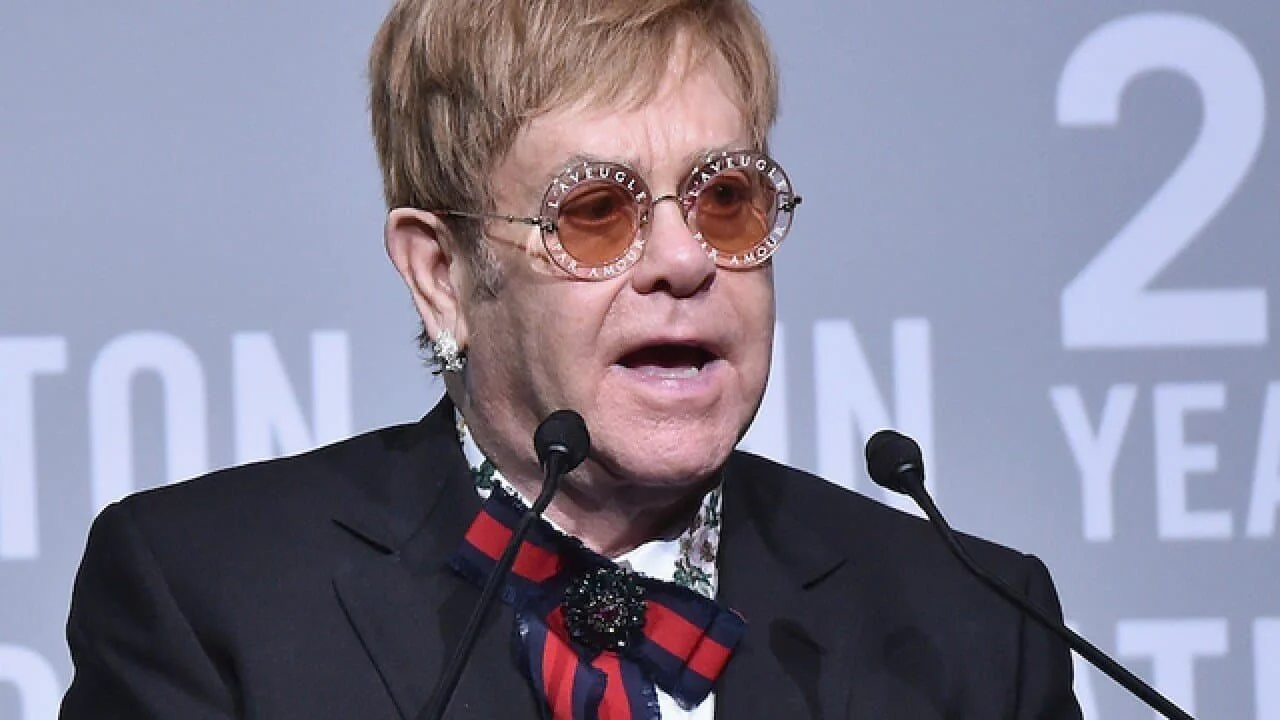
“What balance?” John retorted. “The scales are tipped so far in Big Tech’s favor they’re practically on the floor. This isn’t about balance — it’s about basic respect and rights. No one should be allowed to profit off someone else’s work without permission.”
As debate intensifies, John and fellow creatives are preparing to escalate their campaign, including potential legal action if the legislation moves forward unchanged. For now, the battle lines are clear: artists versus algorithms, creativity versus convenience, and human expression versus artificial replication.
Elton John’s message to the government and the public is uncompromising: protect the creators, or risk losing the very culture AI seeks to mimic.