Polish officials have raised alarm over what they describe as an unprecedented campaign of Russian interference targeting the country’s recent presidential election. The interference, which involved cyberattacks, disinformation, and covert influence operations, marks one of the most aggressive foreign meddling efforts in Poland’s modern political history, according to senior government sources.
The warning comes in the wake of the 2025 presidential election, where conservative candidate Karol Nawrocki emerged victorious over his liberal rival, Rafał Trzaskowski. While there is no suggestion that the interference directly altered vote counts or the final result, Polish authorities believe the effort was designed to shape public opinion, destabilize the democratic process, and weaken the ruling pro-European coalition led by Prime Minister Donald Tusk.
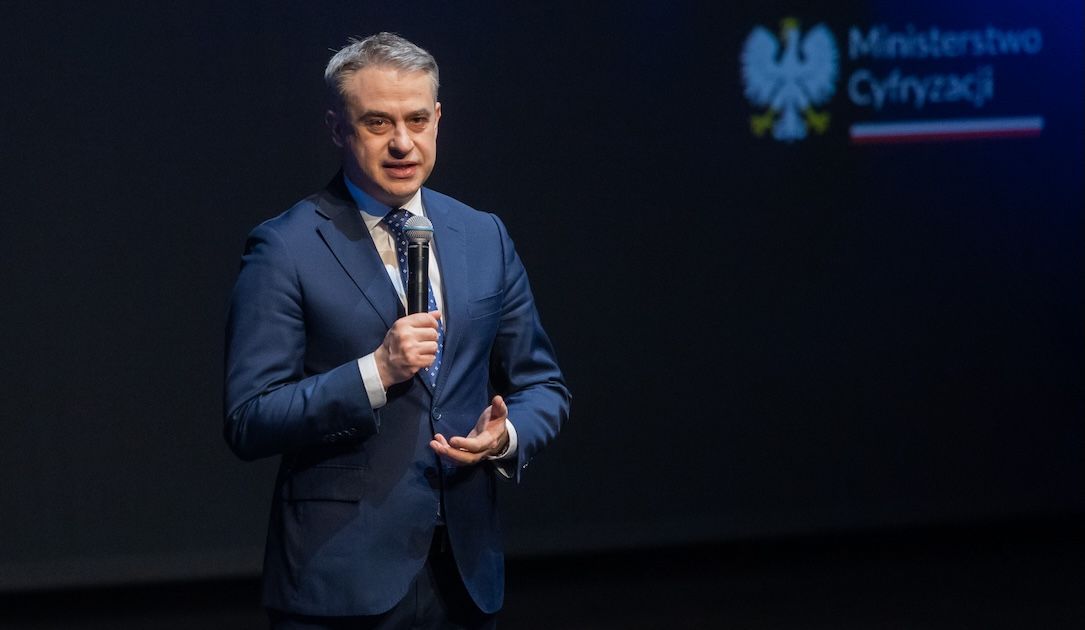
Government officials, particularly those within Poland’s Ministry of Digital Affairs and national cybersecurity agencies, say the scale and sophistication of the interference were unlike anything previously encountered. According to their assessment, Russian state-linked actors launched coordinated cyber operations in the months leading up to the election. These included phishing attacks targeting political campaigns, attempted breaches of voter databases, and the dissemination of false or misleading content across Polish-language social media.
In tandem with cyberattacks, disinformation campaigns sought to exploit political divisions and spread narratives favorable to Russian interests. False stories about election fraud, economic collapse, and conspiracy theories surrounding leading candidates were amplified by bot networks and fake online accounts. Officials also reported attempts to recruit individuals inside Poland to help spread these narratives through anonymous forums and social platforms.
“The goal was clear: undermine faith in the democratic process, polarize society, and weaken the legitimacy of the government,” one senior official said during a press briefing in Warsaw. “This was not just meddling. It was a systematic attempt to destabilize Poland at a critical political moment.”
In response to these growing threats, the Polish government rolled out a new election security initiative known as the “Election Umbrella” program. This multi-layered defense strategy included enhanced cybersecurity protocols for government institutions, close monitoring of digital platforms, and partnerships with social media companies to identify and remove malicious content. Local election authorities were trained to detect irregularities, and a centralized online portal was established to provide accurate and up-to-date election information.

Despite these precautions, officials acknowledge that the sheer volume and persistence of foreign influence operations posed significant challenges. Some believe the environment of distrust and confusion sown by foreign actors may have contributed to a shift in public sentiment, even if the official voting process remained secure.
The outcome of the election — with Nawrocki’s win — has created tension within the current government. Prime Minister Tusk’s coalition now faces increasing pressure both internally and from opposition groups, some of whom are calling for a more aggressive stance on national security and foreign influence. Although Nawrocki has denied any connection to or benefit from the interference, his victory is being viewed by some analysts as a geopolitical win for Russia.
The implications of the incident extend far beyond Poland. European leaders have expressed concern that the methods seen in the Polish election could be replicated in other countries, particularly those with elections scheduled in the coming year. The situation has renewed calls within the EU for a unified defense strategy against hybrid threats and information warfare.
Poland’s experience is a stark reminder that the battleground of democracy has shifted. No longer confined to polling stations and televised debates, elections are increasingly fought — and influenced — in digital spaces, where borders are porous and attackers are difficult to trace.
Looking ahead, Polish officials say their focus is on strengthening institutional resilience, educating the public about misinformation, and working more closely with allies to prevent future attempts at interference. As one government spokesperson said, “This election may be over, but the fight for our democracy is far from finished.”