OpenAI, the artificial intelligence company led by chief executive Sam Altman, is reportedly in discussions with investors about a massive fundraising round that could value the company at around $750 billion, underscoring both the extraordinary optimism surrounding generative AI and the immense capital demands of building next-generation models.
If finalized, the talks would mark one of the largest private funding efforts in the history of technology. The proposed valuation would place OpenAI among the most valuable private companies in the world, rivaling or surpassing long-established global corporations and reshaping expectations about how quickly AI firms can scale in both influence and worth.

The discussions are said to involve raising tens of billions of dollars, reflecting the sheer cost of training and deploying advanced AI systems. Large language models, multimodal AI tools, and emerging “world model” architectures require enormous investments in data centers, high-performance computing hardware, specialized chips, energy infrastructure, and elite research talent. As competition in AI accelerates, companies like OpenAI are under pressure to secure long-term funding that allows them to stay ahead of rivals while expanding product offerings.
OpenAI’s rise has been closely tied to the global adoption of its flagship products, particularly ChatGPT, which has become one of the fastest-growing consumer and enterprise software platforms in history. The company has steadily expanded beyond chatbots into developer tools, enterprise AI services, creative applications, and partnerships that embed its models across a wide range of industries, from education and healthcare to finance and software development.
Despite this rapid growth, OpenAI continues to face heavy operating costs. Training frontier models requires massive compute runs that can cost hundreds of millions, if not billions, of dollars per iteration. In addition, deploying these models at scale for millions of users requires constant infrastructure upgrades. A fresh infusion of capital at a high valuation would give OpenAI the financial flexibility to pursue longer-term research goals without being constrained by short-term revenue pressures.
Sam Altman has repeatedly emphasized that OpenAI’s mission extends beyond immediate profitability. The company was founded with the goal of ensuring that artificial general intelligence benefits humanity broadly, a mission that has required unconventional corporate structures and partnerships. Over time, OpenAI has evolved from a nonprofit research lab into a capped-profit entity with commercial arms, allowing it to attract investment while attempting to preserve its original mission.
The reported $750 billion valuation also reflects broader market sentiment around artificial intelligence. Investors have poured unprecedented sums into AI startups and infrastructure providers, betting that generative AI will transform productivity, creativity, and economic growth at a scale comparable to the internet or the smartphone revolution. For many backers, OpenAI represents a foundational player whose models and platforms could underpin entire ecosystems of applications.
At the same time, such a valuation raises questions about sustainability and expectations. Critics argue that AI valuations may be running ahead of proven long-term business models, particularly given the high costs and regulatory uncertainties facing the sector. Governments around the world are exploring frameworks to govern AI safety, data usage, and accountability, which could affect how companies like OpenAI operate and monetize their technologies in the future.
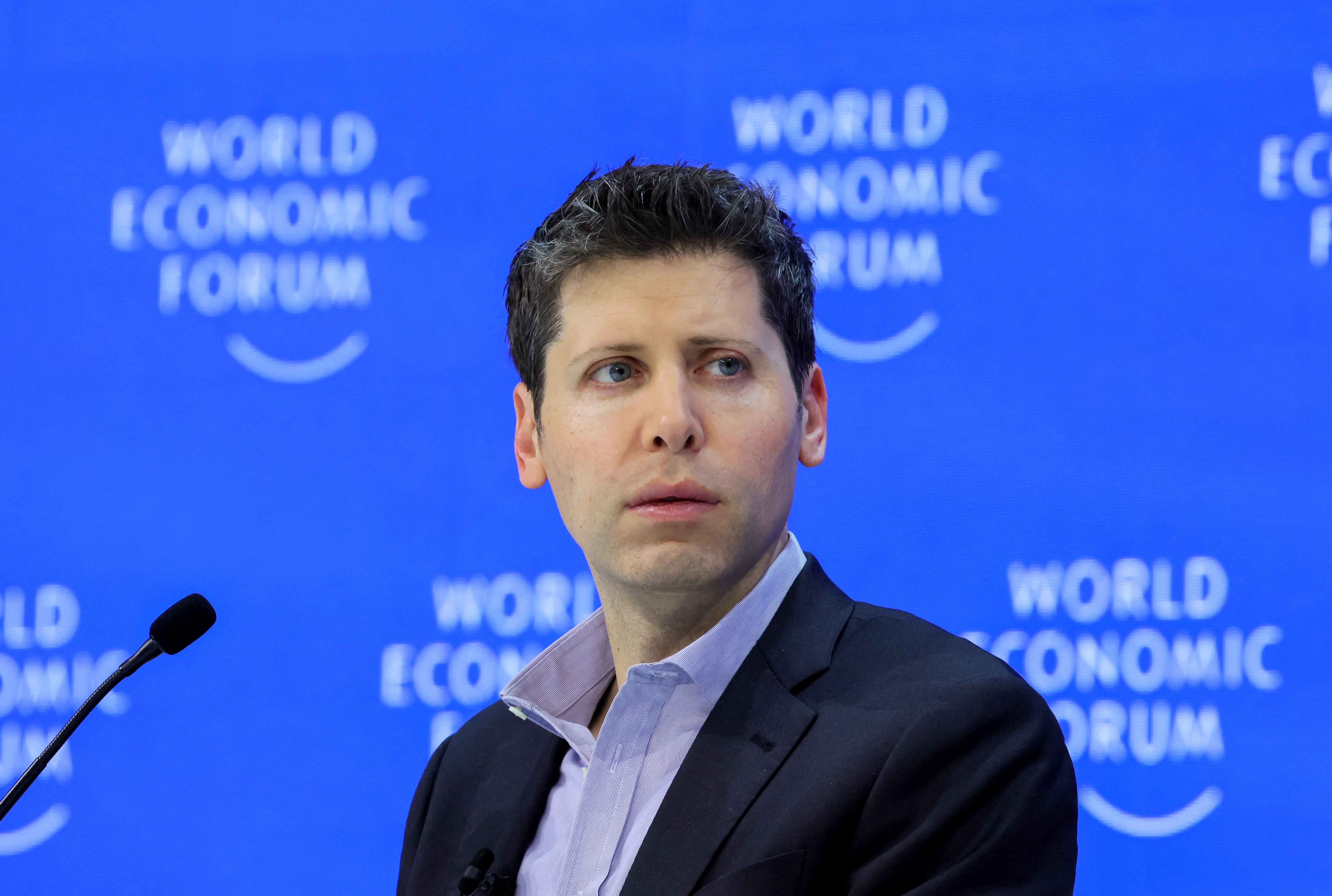
OpenAI has so far avoided public markets, and Altman has expressed ambivalence about taking the company public in the near term. Remaining private allows OpenAI to focus on long-term research and strategic partnerships without the quarterly scrutiny faced by publicly listed companies. However, a valuation of this scale inevitably fuels speculation about a future initial public offering, potentially one of the largest in history.
The reported talks also highlight the strategic importance of alliances with major technology and infrastructure players. Access to cloud capacity, custom AI chips, and global distribution networks has become as crucial as financial capital itself. Large investors are increasingly seeking not just equity stakes but deeper partnerships that integrate AI models into their platforms and services.
For OpenAI, the next phase will likely involve balancing rapid expansion with questions of governance, safety, and responsibility. As its models grow more capable and influential, scrutiny from regulators, researchers, and the public is expected to intensify. Securing funding at a $750 billion valuation would give the company unmatched resources, but it would also place it under heightened expectations to demonstrate real-world impact, ethical leadership, and long-term viability.
While the talks remain at an early stage and no deal has been finalized, the mere possibility of such a valuation signals how dramatically perceptions of AI have shifted in just a few years. What began as a research experiment has evolved into one of the most closely watched companies in the global economy. Whether OpenAI ultimately raises funds at the reported valuation or not, the discussions themselves underscore a central reality of the current tech era: artificial intelligence is no longer a niche sector, but a defining force shaping the future of business, innovation, and society.