Spotify’s latest decision to raise subscription prices marks its third increase in roughly two and a half years, signaling a notable shift in how the world’s largest music streaming platform approaches pricing. Once known for keeping its fees largely unchanged for more than a decade, Spotify now appears to be embracing more frequent adjustments, raising the question of whether regular price hikes are becoming the new normal for digital streaming services.
Under the new pricing structure, Spotify’s Premium plans will become more expensive across several markets, with individual subscriptions rising by about a dollar a month and similar increases applied to student, Duo, and family plans. Existing subscribers are being notified ahead of their next billing cycle, while new users will see the updated prices immediately. While the increases may seem modest in isolation, the cumulative effect is significant for long-term users who have watched prices climb steadily since 2023.
The move reflects a broader transformation in Spotify’s business strategy. For years, the company prioritized rapid user growth, often absorbing high content and licensing costs to maintain a competitive edge against rivals such as Apple Music, Amazon Music, and YouTube Music. Keeping subscription prices low was central to that approach. However, as the streaming market matures and growth slows in some regions, Spotify appears increasingly focused on boosting average revenue per user and improving long-term profitability.
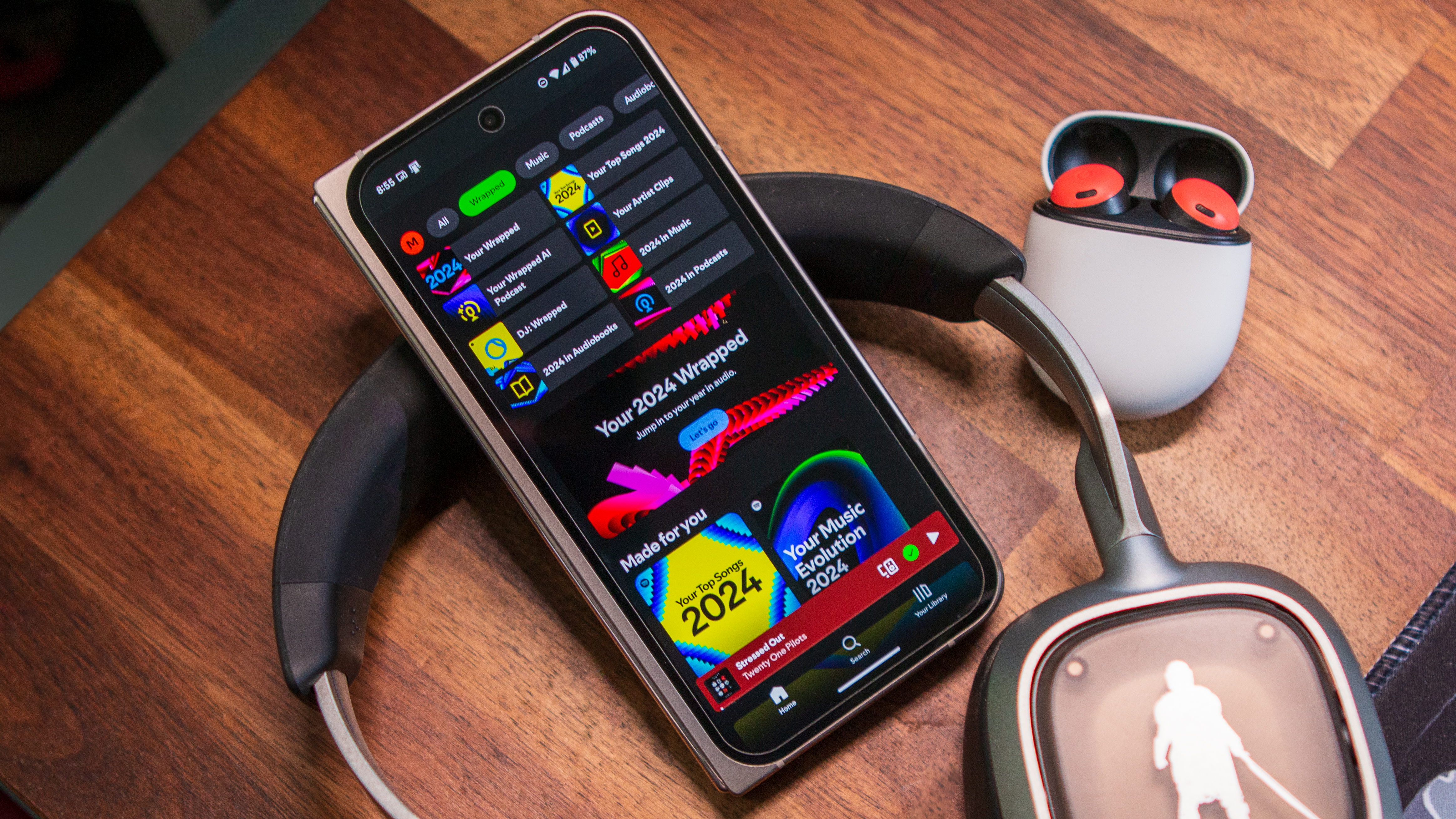
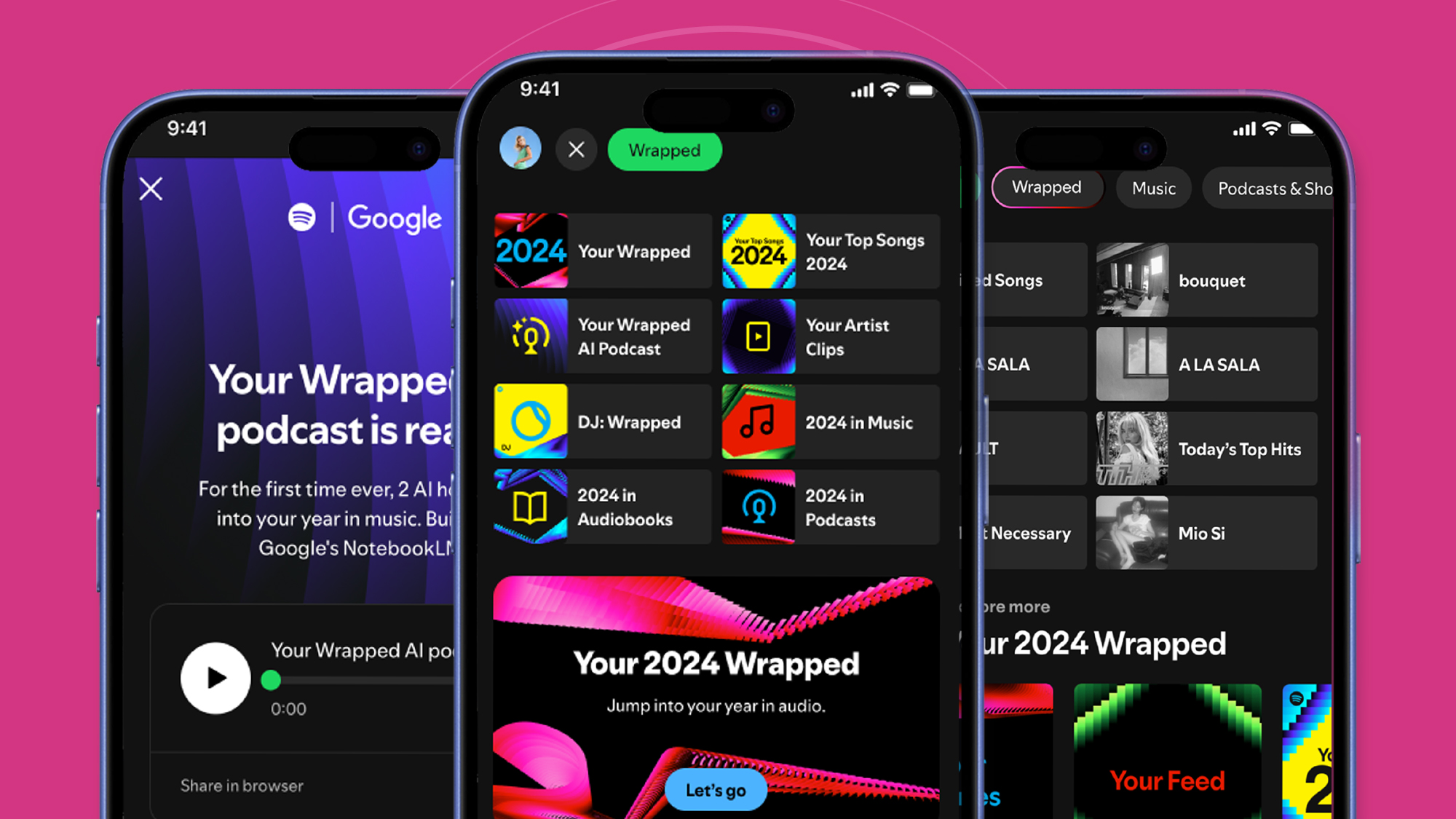
Spotify has framed the latest price increase as necessary to support ongoing investment in its platform. In recent months, the company has expanded beyond traditional music streaming, adding features such as higher-quality audio, music videos, enhanced social listening tools, and deeper integration of podcasts and audiobooks. These additions come with higher development, licensing, and infrastructure costs, which the company says must be balanced by periodic price updates.
From a financial perspective, the strategy seems to be working so far. Spotify continues to report rising subscriber numbers and stronger revenue, suggesting that many users are willing to absorb incremental price hikes in exchange for convenience and an all-in-one audio ecosystem. The company’s ability to raise prices without triggering widespread cancellations indicates a strong level of brand loyalty and market dominance.
Still, the shift has not gone unnoticed by consumers. For many long-time subscribers, Spotify’s appeal was tied to its affordability. The service famously held its individual Premium plan at the same price for over ten years, even as competitors adjusted their fees. In contrast, three hikes in a relatively short span represent a clear departure from that tradition. For some users, the increases prompt questions about value, particularly if they do not regularly use newer features such as podcasts or audiobooks.
The latest hike also places Spotify at or above the pricing level of some competitors in certain markets, narrowing the cost advantage it once enjoyed. As prices converge across platforms, consumers may become more willing to experiment with alternatives, especially those already embedded in broader ecosystems, such as Apple’s or Amazon’s subscription offerings. Others may opt to downgrade to ad-supported tiers or rotate subscriptions rather than committing long-term.
Industry observers see Spotify’s move as part of a wider trend across the subscription economy. Video streaming services, cloud storage providers, and productivity platforms have all normalized periodic price increases in recent years, often citing inflation, rising content costs, and the need to fund innovation. Music streaming, long considered underpriced relative to the value it delivers, may now be catching up.
Another factor is the growing pressure from artists and rights holders. Music royalties remain a major expense for streaming platforms, and debates over fair compensation continue to shape the industry. While Spotify has rolled out programs aimed at improving payouts for successful artists, the underlying economics of streaming remain challenging. Higher subscription fees offer one of the few levers available to balance creator payments with corporate sustainability.
Whether this pattern continues will depend largely on subscriber behavior. If users continue to accept incremental hikes without significant churn, Spotify and its rivals may feel emboldened to introduce regular, perhaps annual, adjustments. If resistance grows—through cancellations, downgrades, or shifts to competitors—the pace of increases could slow.
For now, Spotify’s third price hike in 2.5 years suggests a recalibration of expectations for digital media consumers. What was once a rare event is becoming routine, signaling that stable, decade-long pricing may be a thing of the past. As streaming services mature, subscribers may need to adjust to a future where paying a little more each year is simply part of staying connected to the music and audio platforms they rely on.