Iranian authorities have dismissed the chief executive of one of the country’s leading telecommunications companies after he reportedly failed to fully implement government orders to block internet access during a period of heightened unrest. The move highlights the Iranian state’s growing reliance on digital shutdowns as a tool of control and sends a strong warning to private and semi-private companies operating within the country’s tightly regulated communications sector.
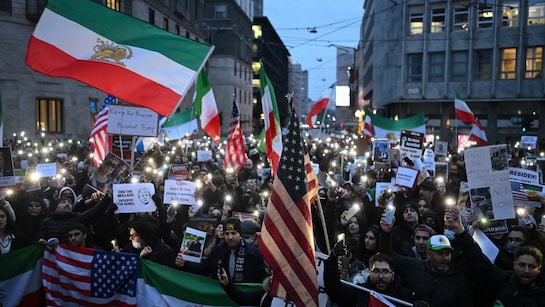
The dismissal came amid a nationwide internet disruption that left millions of Iranians without reliable access to online services. The shutdown, imposed without prior notice, significantly restricted mobile data and broadband connectivity across much of the country. Officials framed the decision as a necessary security measure, arguing that unrestricted internet access was being used to spread unrest, misinformation, and organize protests.
According to official statements carried by state-aligned media, the telecom CEO was removed for failing to comply fully with directives issued by government authorities during what they described as a “crisis situation.” While the company reportedly implemented partial restrictions, authorities concluded that the measures fell short of the comprehensive blackout they had ordered. The failure was deemed serious enough to warrant immediate removal from the post.
The telecommunications firm involved is one of Iran’s largest mobile network operators, serving tens of millions of subscribers and forming a critical part of the country’s digital infrastructure. Because of its scale and reach, the company plays a central role in any attempt to restrict or restore nationwide connectivity. The sacking of its CEO underscores the expectation that major service providers must align completely with state instructions, particularly during periods of political sensitivity.
Internet shutdowns have become a familiar tactic in Iran over the past decade, especially during protests or moments of political tension. Authorities argue that such measures are necessary to maintain public order and national security. Critics, however, say the shutdowns disproportionately harm ordinary citizens, disrupt businesses, and isolate the country from the global community.
The most recent blackout had far-reaching consequences. Online banking services were disrupted, digital payments slowed, and small businesses that rely on social media and messaging platforms were left unable to operate. Students faced interruptions to online education, while families struggled to communicate with relatives inside and outside the country. For many Iranians, the internet has become an essential utility rather than a luxury, making sudden shutdowns deeply destabilizing.
The firing of the telecom CEO has also raised questions about corporate autonomy in Iran’s technology sector. While many telecom companies operate under government oversight, they are often structured as commercial entities with private or semi-private ownership. The abrupt removal of a top executive for non-compliance with state orders highlights the limited room these companies have to maneuver when political priorities come into play.
Observers say the decision sends a clear signal to other executives in the sector: failure to enforce government directives, even if technically or logistically challenging, will not be tolerated. It also reinforces the idea that control over digital infrastructure is viewed as a matter of national security rather than commercial policy.
In the aftermath of the CEO’s dismissal, there have been mixed signals about the future of internet access in the country. While some users have reported partial restoration of services or intermittent connectivity, overall access remains limited and inconsistent. Authorities have suggested that restrictions could be eased gradually, depending on the security situation, but no clear timeline has been provided.
The episode has drawn renewed attention to the broader debate over internet freedom in Iran. Digital rights advocates argue that shutdowns violate basic freedoms of expression and access to information. They also warn that repeated disruptions erode trust in institutions and discourage investment in the country’s technology and startup ecosystem.
From the government’s perspective, however, control over digital networks is increasingly seen as essential in an era where protests, political movements, and public opinion can spread rapidly online. Officials maintain that foreign influence and coordinated online campaigns pose serious risks, justifying extraordinary measures during periods of unrest.
The removal of the telecom CEO may have longer-term implications for how Iran’s communications sector is managed. Analysts suggest that companies may now adopt an even more cautious approach, prioritizing strict compliance with government instructions over operational independence or customer concerns. This could further blur the line between state authority and commercial decision-making.

As Iran continues to navigate economic pressure, social discontent, and international isolation, control over information remains a central concern for the leadership. The sacking of a senior telecom executive over an incomplete internet shutdown illustrates just how high the stakes have become.
For millions of Iranians, the incident is another reminder of the fragility of digital access in the country. For the telecom industry, it marks a stark example of the consequences of failing to meet state expectations. And for observers, it underscores the growing role of the internet as both a battleground and a barometer of power in modern Iran.