


Apple is preparing for a major transformation of its display technology roadmap, with plans to introduce OLED screens across its iPad and Mac product lines beginning in 2026. The shift marks one of the most significant hardware upgrades in years and signals Apple’s intention to unify display quality across its ecosystem, from tablets to laptops and desktop computers.
For years, Apple has relied on LCD and, more recently, mini-LED panels for its larger devices, while reserving OLED technology primarily for iPhones, Apple Watch, and select high-end products. That divide is now set to change. From 2026 onward, OLED displays are expected to gradually replace existing technologies in several iPad and Mac models, offering users improved visual performance, better power efficiency, and slimmer device designs.
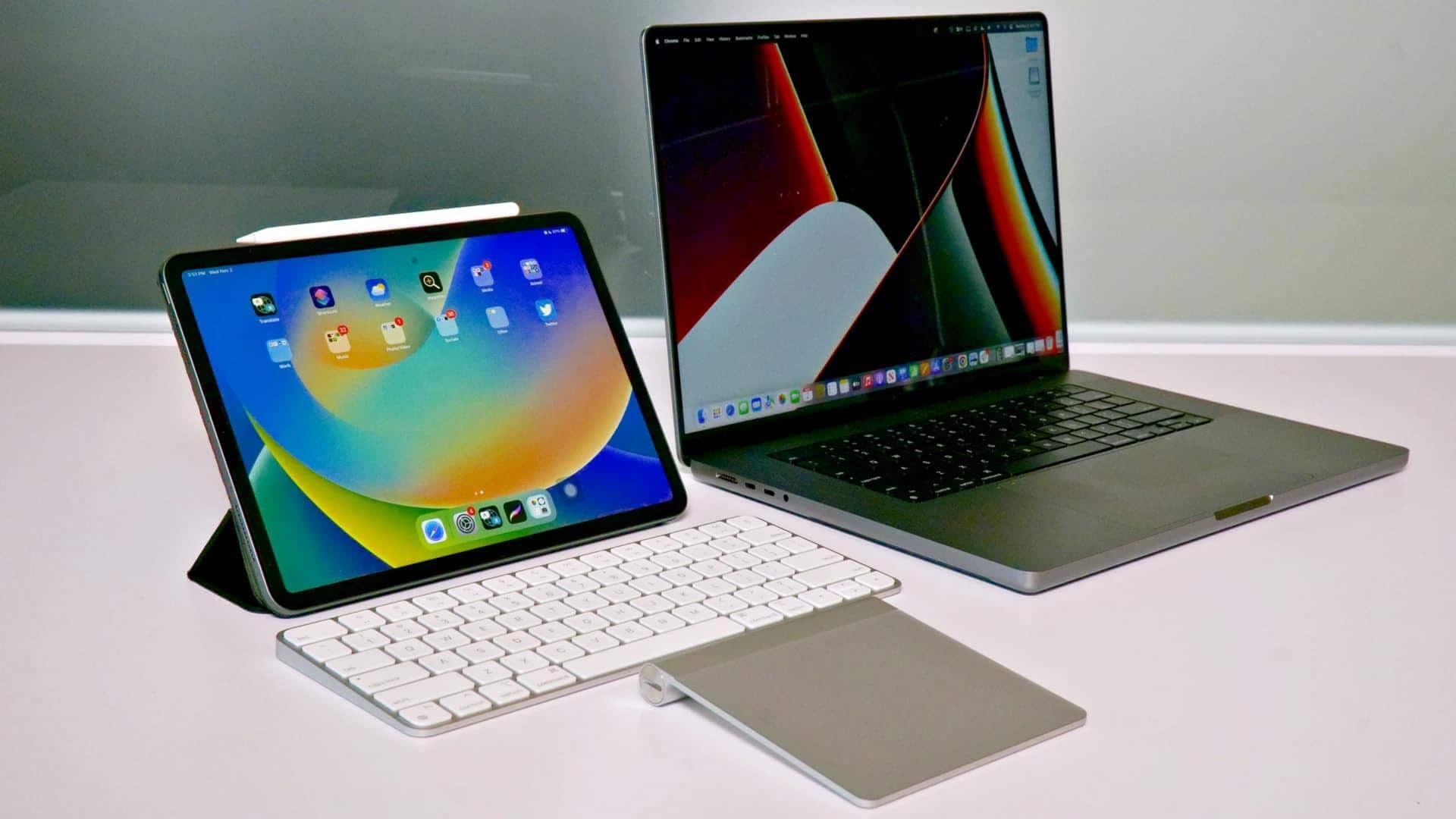
The transition is expected to roll out in phases rather than all at once. Apple is likely to begin with smaller and premium models before expanding OLED to the rest of its lineup. Industry observers suggest that certain iPad models could be among the first to adopt the technology, followed by MacBook Pro variants and eventually desktop Macs such as the iMac. The full transition is expected to take several years, potentially extending into the latter part of the decade.
OLED, or organic light-emitting diode technology, differs fundamentally from traditional LCD panels. Instead of relying on a backlight, each pixel in an OLED display emits its own light. This allows for true blacks, since pixels can be completely turned off, as well as significantly higher contrast ratios. Colors appear more vivid and accurate, and viewing angles are improved. These characteristics are especially appealing for creative professionals, video editors, and designers—key segments of Apple’s Mac and iPad user base.
Another major advantage of OLED is power efficiency. Because dark areas of the screen consume little to no power, OLED displays can help extend battery life, particularly during tasks like video playback or reading. For portable devices such as iPads and MacBooks, even modest gains in efficiency can translate into noticeable real-world benefits. At the same time, OLED panels enable thinner displays, opening the door for lighter and more compact device designs.
Apple’s move toward OLED is also a strategic response to broader industry trends. Competing device makers have increasingly adopted OLED for laptops, tablets, and high-end monitors, narrowing Apple’s traditional lead in display quality. By bringing OLED to Macs and more iPads, Apple positions itself to regain a technological edge while delivering a more consistent visual experience across its product family.
The transition is not without challenges. Producing large OLED panels—especially those suitable for laptops and desktop monitors—remains more complex and costly than manufacturing smartphone-sized displays. Yield rates, longevity, and the risk of image retention have historically been concerns for OLED technology, particularly in devices that display static content for long periods. Apple is expected to address these issues through advanced panel designs, improved materials, and sophisticated software optimizations to minimize wear.
Cost will also play a role in how quickly OLED spreads across Apple’s lineup. Early OLED Macs and iPads are likely to target higher price points, with more affordable models following only after production scales and costs come down. This phased approach mirrors Apple’s past transitions, such as the adoption of Retina displays and mini-LED technology.
From a supply-chain perspective, the shift to OLED represents a significant realignment. Apple’s display partners are investing heavily in new production lines capable of manufacturing larger OLED panels. This not only supports Apple’s long-term plans but could also influence the broader electronics market, accelerating OLED adoption across PCs and tablets from other manufacturers.

For consumers, the changes promise a noticeable upgrade in everyday use. Media consumption is expected to benefit the most, with deeper blacks and more immersive visuals for movies, games, and streaming content. Professionals working with photography, video, and graphic design may see improved color accuracy and contrast, while general users could enjoy longer battery life and sleeker devices.
Despite the excitement, Apple is expected to maintain multiple display technologies during the transition period. Mini-LED and LCD panels will likely remain in certain models for several years, particularly in entry-level devices where cost sensitivity is higher. This hybrid strategy allows Apple to balance innovation with affordability while refining OLED implementations for larger screens.
Starting in 2026, Apple’s gradual embrace of OLED across iPads and Macs marks a pivotal moment in the evolution of its hardware. While the full impact will unfold over several product cycles, the move underscores Apple’s commitment to pushing display technology forward and redefining the visual experience of its most important devices.






