Private equity firm Everstone Capital is reportedly preparing to divest its stake in Restaurant Brands Asia Ltd. (RBA), the master franchisee of Burger King in India, marking a significant shift in the ownership structure of one of the country’s prominent quick-service restaurant (QSR) chains. The move is seen as part of Everstone’s broader portfolio rebalancing strategy as it approaches the end of its investment lifecycle in the company.
Everstone currently holds an approximately 11% stake in Restaurant Brands Asia through its investment vehicle. Market observers indicate that the firm is looking to offload its entire holding, potentially through a combination of secondary share sales and strategic placements. The proposed exit could pave the way for a new long-term investor to step in at a time when the company is navigating both expansion ambitions and profitability challenges.
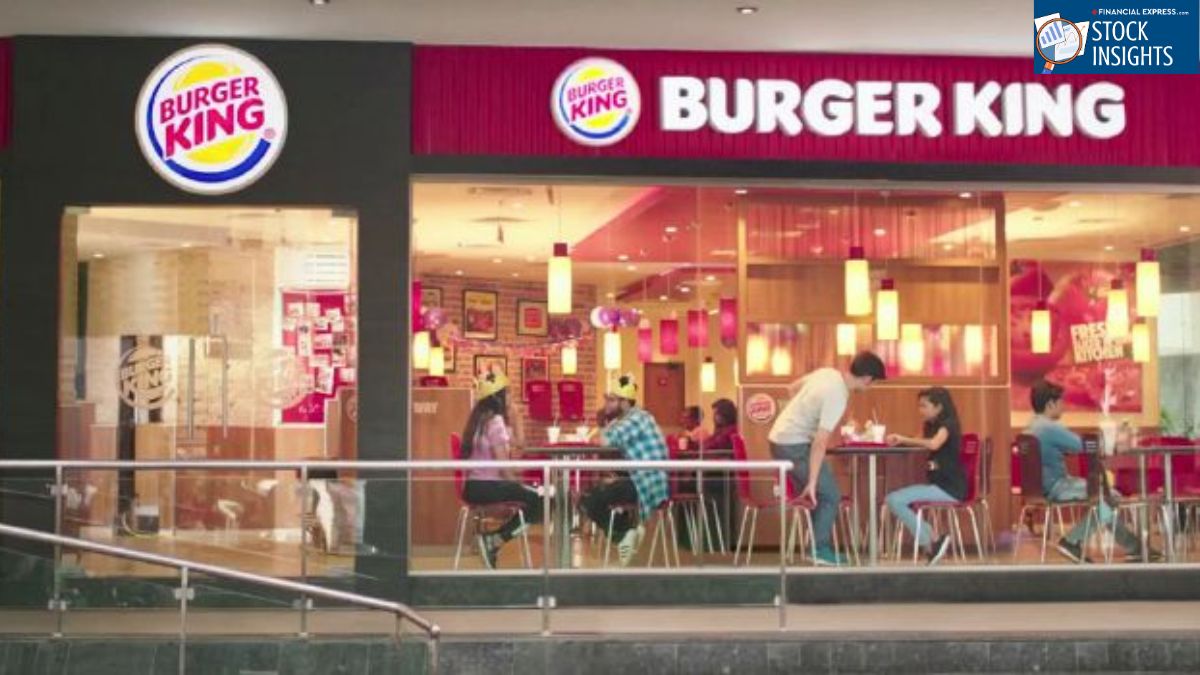
Restaurant Brands Asia operates Burger King outlets across India and Indonesia, with India being its primary growth market. Since entering the country, Burger King has rapidly expanded its footprint, targeting young, urban consumers with aggressive pricing, localized menus, and a strong delivery focus. However, the rapid scale-up has come with high operating costs, leading to sustained losses and the need for periodic capital infusion.
A Strategic Exit
Everstone’s decision to exit is being viewed as a planned and strategic move, rather than a reaction to short-term performance issues. Private equity firms typically operate on defined investment horizons, and Everstone has been associated with the Burger King India story for over a decade. During this period, it supported the brand’s entry into India, its nationwide expansion, and its eventual public listing.
Industry analysts suggest that the exit reflects Everstone’s intent to redeploy capital into newer opportunities across sectors such as infrastructure, technology, and climate-focused investments, where the firm has been increasingly active. For Everstone, the divestment represents the monetization phase of an investment that helped establish Burger King as a recognizable player in India’s highly competitive QSR market.
Potential New Investor Interest
Reports indicate that interest in Everstone’s stake is emerging from strategic investors and large family offices, signaling confidence in the long-term potential of the Burger King brand in India. A new investor could also bring fresh capital, operational expertise, or a longer investment horizon, which may help Restaurant Brands Asia strengthen its balance sheet and refine its growth strategy.
The possibility of a capital raise alongside the stake sale has also been discussed, suggesting that the company may look to shore up funding for store expansion, digital infrastructure, and supply chain optimization. Any such move would likely be considered by the board in the coming months.
Market Reaction
The reports of Everstone’s planned exit have triggered short-term volatility in Restaurant Brands Asia’s stock price, reflecting investor caution around ownership changes. While some market participants view the exit as a loss of a strong sponsor, others see it as an opportunity for renewed strategic direction under new shareholders.
Analysts note that exits by private equity investors are not uncommon in publicly listed consumer companies and do not necessarily indicate a negative outlook. Instead, the key determinant will be the profile of the incoming investor and their commitment to long-term value creation.
Challenges and Opportunities Ahead
Restaurant Brands Asia operates in a highly competitive environment, facing strong rivals across burgers, pizzas, fried chicken, and local QSR brands. Rising input costs, pressure on discretionary spending, and the need to balance affordability with margins continue to pose challenges.
At the same time, India’s fast-food market remains one of the fastest-growing globally, driven by urbanization, changing food habits, and the rapid adoption of food delivery platforms. Burger King’s emphasis on value offerings and vegetarian options has helped it differentiate itself, particularly among price-sensitive consumers.
The company has also been working on improving unit economics, optimizing store formats, and increasing contribution from digital and delivery channels. A new investor with patient capital could play a crucial role in supporting these efforts.
Implications for the QSR Sector
Everstone’s reported exit comes amid a broader phase of consolidation and restructuring in India’s QSR industry. Several operators are reassessing expansion plans, focusing more sharply on profitability rather than sheer scale. Ownership changes and strategic realignments are becoming increasingly common as the sector matures.
For Restaurant Brands Asia, the transition marks a new chapter. While Everstone’s backing was instrumental in establishing the brand, the next phase will likely require different strengths—operational discipline, sustained capital support, and sharper execution.
Looking Ahead
As Everstone moves closer to finalizing its stake sale, attention will remain on the identity of the incoming investor and the strategic signals that follow. For Burger King’s India operations, the change could either reinforce confidence in the brand’s long-term prospects or raise fresh questions about execution and governance.
What remains clear is that the Burger King story in India is far from over. With a large, young consumer base and an evolving food services market, the brand’s future will depend less on who exits and more on who steps in—and how effectively they steer the company through its next phase of growth.