BMW, one of the world’s leading luxury automakers, has reaffirmed its commitment to subscription-based vehicle features, even after facing widespread criticism over its controversial heated seat subscription plan. The company insists that subscriptions are a crucial component of its long-term strategy, despite the backlash that ignited a heated public debate about the monetization of standard car features.
The controversy began when BMW introduced the option for customers to activate heated seats in certain models via a subscription. The hardware for these seats was already installed in the vehicles, yet owners were required to pay a recurring monthly fee to use the feature. The move sparked outrage among consumers and automotive enthusiasts alike, with many arguing that paying extra for a feature that was already physically present in the car was unreasonable and exploitative. Social media campaigns and online forums quickly became platforms for frustrated owners to voice their dissatisfaction, and the story gained global media attention.
Recognizing the magnitude of the backlash, BMW swiftly reversed the heated seat subscription plan and publicly acknowledged that the initiative had been miscalculated. Executives admitted that certain tangible features—particularly those that have traditionally been included as part of the vehicle—are not well suited to subscription models. Heated seats, a basic comfort in many climates, fell squarely into this category. The company’s rapid response was intended to preserve consumer trust, but the incident raised broader questions about the viability of subscription services in the automotive industry.
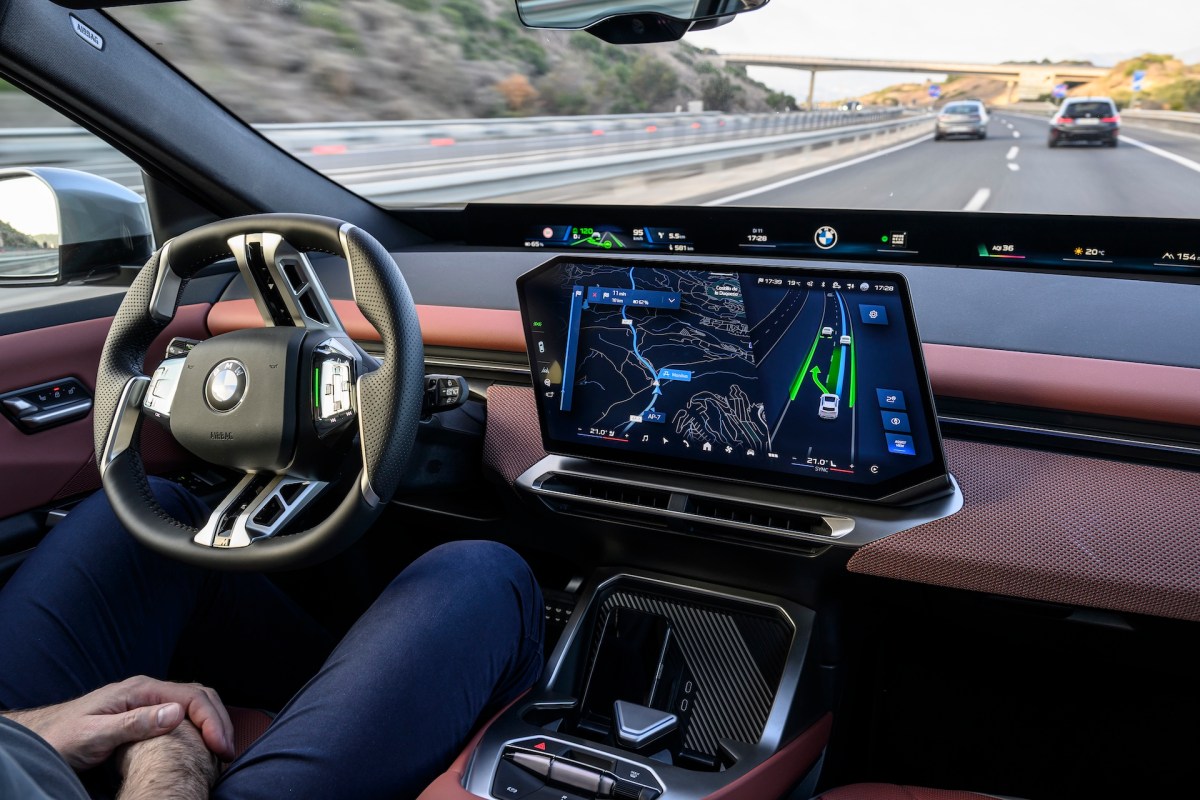
Despite this setback, BMW remains committed to expanding its subscription-based offerings, focusing on areas where recurring payments provide clear value. These areas include software, connectivity, and advanced digital services. BMW has emphasized that its goal is to create a flexible ownership experience, allowing customers to tailor their vehicles with features they actually use and want, rather than paying upfront for every option at the time of purchase.
The automaker’s subscription strategy is centered around its ConnectedDrive platform, which encompasses navigation services, driver assistance systems, real-time traffic updates, and other software-driven features. These services can be activated on demand, offering convenience and personalization for drivers who may not require all features immediately. By leveraging software as a service, BMW can provide ongoing updates and improvements, keeping vehicles technologically current while generating steady aftersales revenue.
Industry analysts note that the move toward subscriptions reflects a broader shift in the automotive sector. Modern vehicles are increasingly connected, software-defined platforms rather than purely mechanical machines. Automakers are exploring new revenue streams as traditional car sales face pressure from changing consumer habits and global economic factors. Subscriptions allow manufacturers to monetize features that were previously included as standard or sold as one-time upgrades, particularly those that require continuous digital support.
However, the heated seat episode serves as a cautionary tale. Consumers are generally more receptive to paying for digital or data-intensive services rather than for physical features that are already part of the vehicle. Experts suggest that companies must carefully balance monetization with customer expectations. Offering subscriptions for advanced driver assistance, cloud-based navigation, or performance-enhancing software is often seen as reasonable, whereas charging for core comfort features risks alienating buyers and generating negative publicity.
BMW’s experience highlights the importance of clear communication and thoughtful implementation. The company has since refined its strategy, distinguishing between features that are appropriate for subscription and those better provided as factory-installed options with a one-time purchase. Executives emphasize that the aim is not to nickel-and-dime customers, but to provide flexibility, choice, and continuous innovation in a rapidly evolving automotive landscape.
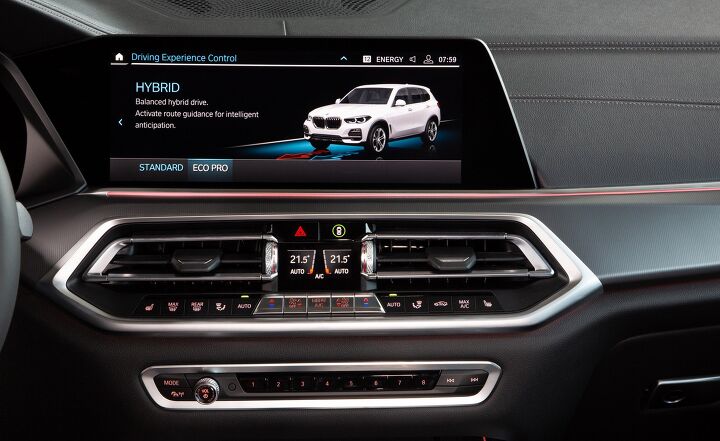
Looking ahead, BMW is optimistic about the future of digital subscriptions. The company envisions a model where vehicle ownership is no longer strictly tied to the initial purchase price but is instead a dynamic relationship between the driver and the car. Customers can customize their experience over time, activating features as their needs change, while BMW ensures that vehicles remain technologically up to date.
Consumer response will ultimately shape the trajectory of these services. While some embrace the idea of modular, on-demand features, others remain wary of recurring charges for functions that were traditionally included. BMW is betting that the long-term benefits of subscriptions—flexibility, ongoing updates, and personalized experiences—will outweigh the challenges and that lessons from the heated seat debacle will guide future implementations.
The incident has also sparked wider discussions in the automotive industry about ownership, value, and consumer rights. Other automakers are watching closely, weighing how to introduce subscription models without alienating loyal customers. The trend signals a shift in how cars are designed, sold, and experienced, with software and digital services becoming central to vehicle value.
In conclusion, BMW’s decision to continue pursuing subscription-based features, even after the heated seat controversy, underscores the company’s commitment to innovation and adaptation in the digital era. The path forward will require careful consideration of consumer sentiment, clear communication, and a focus on features that genuinely benefit from subscription models. As the automotive landscape evolves, BMW aims to position itself at the forefront of software-driven services, offering owners a flexible, personalized, and continuously improving driving experience.
With lessons learned and strategies refined, BMW is determined to make subscriptions a sustainable and acceptable part of modern car ownership, signaling a transformative moment in the luxury automotive sector.