Australia has intensified its push for stronger online child safety measures by turning its attention to gaming platform Roblox, just months after implementing a nationwide social media ban for users under 16. Federal authorities say the move follows ongoing concerns about online child grooming, inappropriate content exposure, and safety gaps within interactive gaming environments heavily used by children and teenagers.
The federal government confirmed it has requested urgent discussions with Roblox Corporation after regulators and child protection bodies flagged repeated reports of predatory behavior and harmful user-generated content on the platform. Officials argue that while Roblox is categorized primarily as a gaming ecosystem rather than a traditional social network, its chat features, virtual communities, and creator-driven spaces function in ways that resemble social media — and therefore carry similar risks.
Communications and online safety officials say the action is part of a broader strategy to close regulatory blind spots that may leave children vulnerable as digital platforms evolve beyond conventional definitions.
Roblox, one of the world’s most popular youth-oriented gaming platforms, allows users to create, share, and participate in millions of virtual experiences. Its interactive design encourages social play, messaging, and user collaboration. While these features have helped fuel its explosive growth among younger audiences, regulators warn they also create opportunities for misuse if safeguards are not consistently enforced.
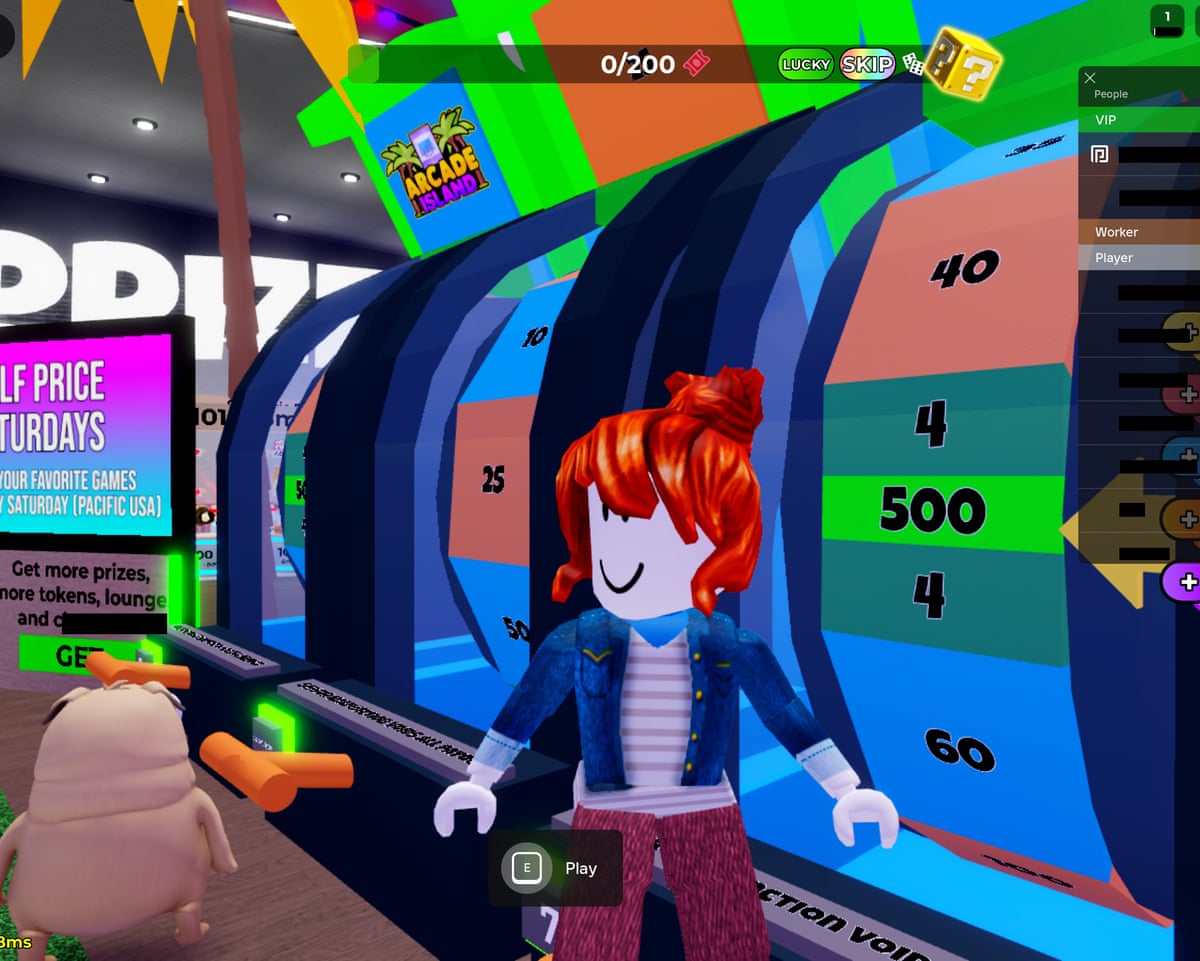
Authorities are particularly concerned about grooming tactics that can occur through in-game chat, private messaging, and third-party communication channels that originate from platform contact. Safety investigators have pointed to patterns where offenders build trust with minors through shared gameplay before attempting to move conversations off-platform.
Australia’s eSafety regulator has indicated it will conduct formal compliance testing of Roblox’s child-protection systems, including age-assurance tools, moderation practices, reporting mechanisms, and parental controls. The review will examine whether the platform’s safety commitments are functioning effectively in real-world conditions rather than only in policy documentation.
Officials say the review could lead to enforcement action if Roblox is found to be falling short of national online safety standards. Penalties under Australia’s online safety framework can be substantial, and regulators have not ruled out financial sanctions or mandated design changes if risks are confirmed.
The scrutiny comes in the wake of Australia’s landmark under-16 social media restriction, which placed legal responsibility on major platforms to prevent children from holding accounts. That law positioned Australia as one of the strictest jurisdictions globally on youth social media access. However, gaming platforms were not automatically included under the ban, creating what policymakers now see as a regulatory gray area.
Child safety advocates have welcomed the expanded focus, arguing that the distinction between gaming platforms and social networks has become increasingly blurred. Many modern games include persistent identities, follower systems, chat functions, and influencer-style creator economies — features once limited to social media.
Advocacy groups say children often do not distinguish between gaming and social platforms in how they interact online, meaning risk exposure can be similar. They argue that safety rules should be based on platform functionality and user interaction patterns rather than industry labels.
Roblox has previously announced multiple safety upgrades, including stricter default privacy settings for younger users, limits on who can message minors, expanded AI moderation tools, and more robust parental dashboards. The company maintains that it invests heavily in trust and safety operations and removes violative content and accounts aggressively.
Platform representatives have emphasized that millions of interactions occur safely every day and that the company continues to refine detection systems to identify suspicious behavior. They also note that user-generated environments present moderation challenges at scale, requiring layered technical and human review systems.
Still, regulators say scale cannot be used as an excuse for safety gaps — especially where minors are involved. Australian authorities have stressed that platforms attracting large child audiences carry a heightened duty of care and must demonstrate measurable risk reduction, not just policy intent.
Cyber safety experts say enforcement pressure is likely to expand beyond Roblox to other interactive digital environments, including multiplayer games, virtual worlds, and creator platforms. Governments worldwide are increasingly examining how immersive and socially driven platforms manage identity verification, behavioral monitoring, and real-time moderation.
Industry analysts view Australia’s move as part of a regulatory trend that focuses less on platform category and more on user vulnerability. If regulators determine that interactive features — chat, discovery algorithms, virtual gatherings — create social-network-like risks, more gaming platforms could soon face similar oversight.
Parents’ groups have also pushed for greater transparency, including clearer reporting on how many grooming attempts are detected, how quickly moderation actions occur, and how repeat offenders are prevented from re-entering platforms under new accounts.
For now, Roblox remains fully accessible in Australia, and no ban has been announced. However, officials say the compliance review signals a shift from voluntary safety promises toward enforceable accountability standards.
Government sources indicate that outcomes from the Roblox review could inform future amendments to online safety law, potentially expanding youth protection rules across a wider range of digital services.
As digital play spaces continue to merge with social interaction, regulators appear increasingly determined to ensure that child safety protections keep pace with platform innovation — and that youth-focused services are built with protection, not just participation, in mind.