Wednesday, May 13, 2026
  • Login
Techstory Australia
  • Home
  • News
  • AI
  • Social Media
  • Technology
  • Markets
No Result
View All Result
  • Home
  • News
  • AI
  • Social Media
  • Technology
  • Markets
No Result
View All Result
Techstory Australia
No Result
View All Result
Home Technology

U.S. Weighs Mandatory Age Verification for Operating Systems, Raising Privacy Concerns

If implemented, the measure would fundamentally change how people interact with their devices. Operating systems developed by major companies such as Microsoft, Apple, and Google could be required to verify the age of every user during device setup or account creation.

Sara Jones by Sara Jones
April 20, 2026
in Technology
0
U.S. Weighs Mandatory Age Verification for Operating Systems, Raising Privacy Concerns

PHOTO CREDITS : Proton

74
SHARES
1.2k
VIEWS
Share on FacebookShare on Twitter

A new policy proposal in the United States is sparking intense debate across the technology and privacy landscape, as lawmakers consider requiring operating systems to include mandatory age verification systems and share user data with third parties.

You might also like

GM Lays Off Hundreds of IT Workers Globally Amid Push for New Technology Skills

Microsoft CEO Satya Nadella to Testify in Elon Musk’s Lawsuit Against OpenAI

Elon Musk’s Grok AI Arrives On Apple CarPlay: How The Update Works

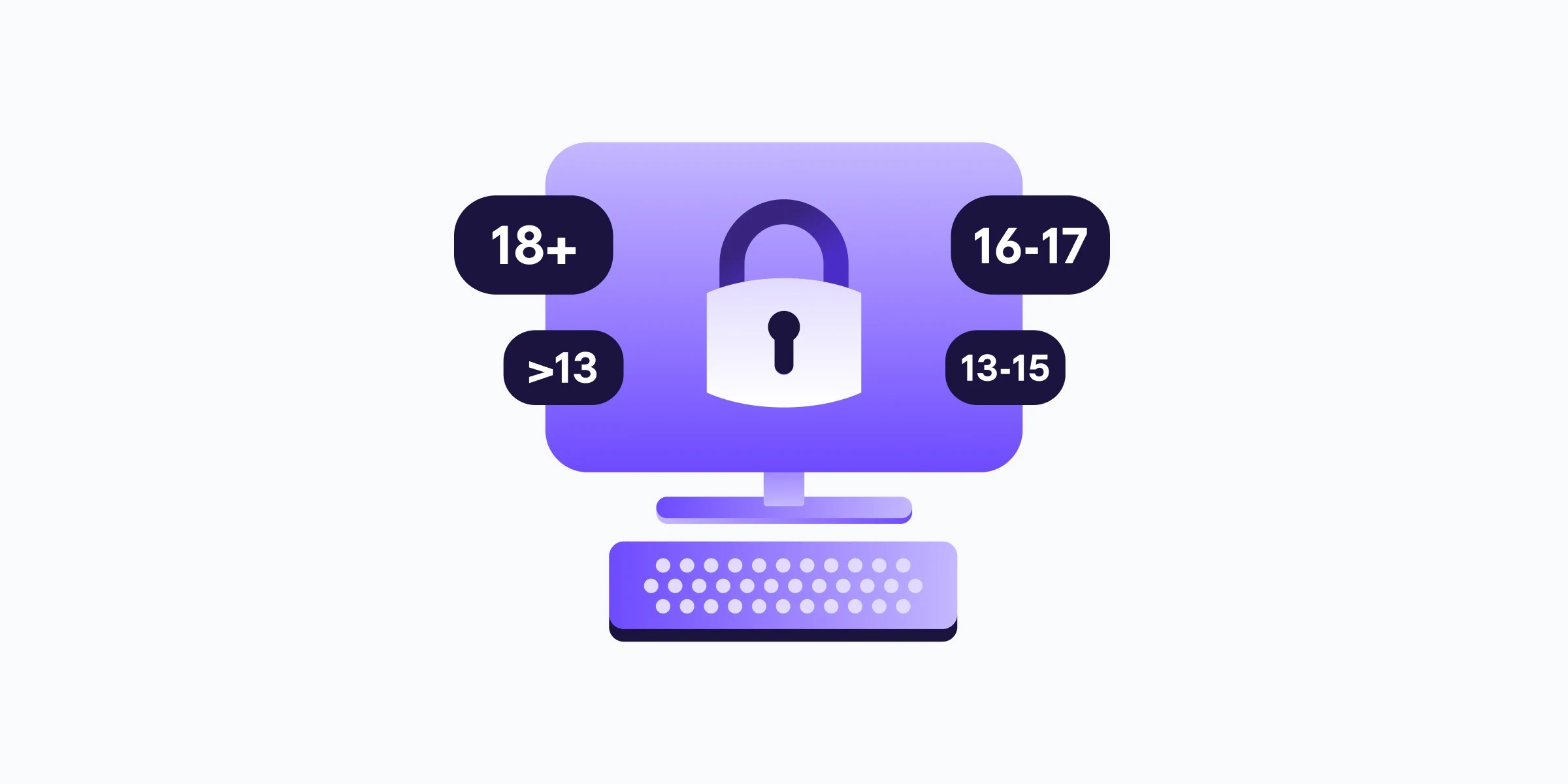
If implemented, the measure would fundamentally change how people interact with their devices. Operating systems developed by major companies such as Microsoft, Apple, and Google could be required to verify the age of every user during device setup or account creation. This information would then be made accessible—at least in part—to app developers and online services, enabling them to tailor content and enforce age-based restrictions.

Supporters of the proposal argue that it represents a necessary evolution in protecting minors online. As children gain access to smartphones, tablets, and personal computers at increasingly younger ages, regulators have struggled to ensure that existing safeguards—often implemented at the app or website level—are effective. By shifting responsibility to the operating system layer, lawmakers believe they can create a more uniform and enforceable framework.

“This is about building safety into the foundation of the digital experience,” one policy advocate familiar with the discussions said. “Instead of every app trying to figure out who is a minor, the system itself provides that signal.”

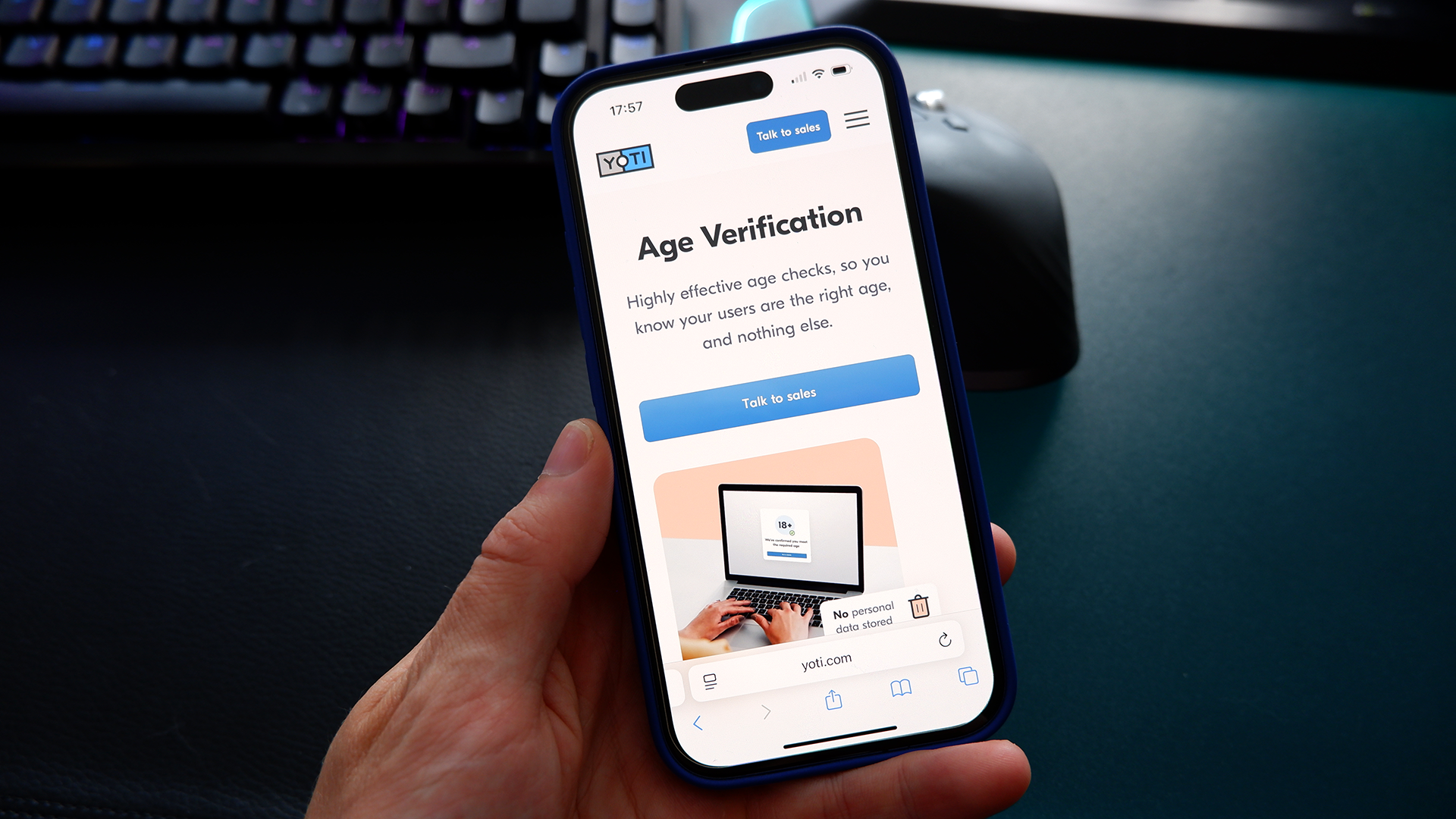
Under the proposed framework, users may be required to submit their date of birth or verify their age through more robust means, such as government-issued identification or third-party verification services. Once confirmed, the operating system could assign an age category—such as child, teenager, or adult—which would then be shared with applications requesting that information.

Computer Scientists Caution Against Internet Age-Verification Mandates

However, critics warn that this approach introduces significant risks, particularly around privacy and data security. Centralizing sensitive user information at the operating system level could make devices more vulnerable to breaches or misuse. If age data is shared broadly with third parties, it could also become part of a larger ecosystem of tracking and profiling.

Privacy advocates argue that even seemingly limited data, such as age categories, can be combined with other information to build detailed user profiles. Over time, this could lead to increased surveillance, targeted advertising, or discrimination based on inferred characteristics.

“There’s a real danger of mission creep,” said one digital rights expert. “Today it’s age verification. Tomorrow it could be identity verification for everything you do on your device.”

Another concern is the lack of clarity around how verification would work in practice. Simpler systems based on self-reported information could be easily bypassed, undermining the policy’s intent. More stringent methods, such as ID checks or biometric scans, raise additional ethical and logistical questions, particularly around accessibility and data storage.

The proposal also presents technical challenges. Not all operating systems are built in the same way, and some—especially open-source platforms—may struggle to implement centralized verification systems. Developers working outside large corporate ecosystems could face compliance burdens that are difficult or impossible to meet.

In addition, critics point out that mandatory age verification could disrupt common use cases. Shared devices, such as family computers or public terminals, may become harder to manage if each user must be individually verified. Offline functionality could also be affected if verification requires periodic online checks.

The business implications are equally significant. Tech companies would need to redesign core aspects of their operating systems, potentially incurring substantial costs. At the same time, they could face increased liability for how user data is collected, stored, and shared.

Despite these concerns, momentum behind age verification laws has been building. Several U.S. states have already introduced or passed legislation targeting online platforms, requiring them to implement stronger protections for minors. The current proposal extends that logic further, embedding compliance directly into the infrastructure that underpins all digital activity.
US may force operating systems to have mandatory age verification, share  info with third parties | PC Gamer

Internationally, the debate reflects a broader struggle to balance child safety with individual privacy. Some regions are exploring alternative approaches, such as privacy-preserving verification systems that confirm age without revealing identity. Whether the U.S. will adopt similar safeguards remains an open question.

For now, the proposal is still under discussion and has not yet been enacted into law. Lawmakers are expected to consult with industry leaders, privacy experts, and advocacy groups before moving forward. Public feedback is also likely to play a critical role in shaping the final outcome.

What is clear, however, is that the stakes are high. Embedding age verification into operating systems would mark a profound shift in how digital identity is managed, potentially setting a precedent for future regulation.

As the debate continues, it highlights a central tension of the digital age: how to create safer online environments without compromising the privacy and autonomy of users. The resolution of that tension may define the next era of computing.

Tags: A new policy proposal in the United States is sparking intense debate across the technology and privacy landscapeRaising Privacy Concernstech newstechstoryU.S.U.S. newsU.S. updatesU.S. Weighs Mandatory Age Verification for Operating Systemsunited Statesunited States newsUnited States updates
Share30Tweet19
Sara Jones

Sara Jones

Recommended For You

GM Lays Off Hundreds of IT Workers Globally Amid Push for New Technology Skills

by Sara Jones
May 13, 2026
0
GM Lays Off Hundreds of IT Workers Globally Amid Push for New Technology Skills

General Motors has announced a new round of layoffs affecting hundreds of information technology employees worldwide as the automotive giant accelerates its transition toward a more software-driven future....

Read more

Microsoft CEO Satya Nadella to Testify in Elon Musk’s Lawsuit Against OpenAI

by Sara Jones
May 12, 2026
0
Microsoft Begins AI Rollout for Decades-Old Windows Tools, Aiming to Enhance User Experience

Microsoft CEO Satya Nadella is set to testify in a major legal battle involving Elon Musk and OpenAI, a case that has drawn widespread attention across the technology...

Read more

Elon Musk’s Grok AI Arrives On Apple CarPlay: How The Update Works

by Sara Jones
May 11, 2026
0
Grok 4 Launching Tomorrow, Musk Confirms

Elon Musk’s artificial intelligence chatbot Grok has officially arrived on Apple CarPlay, marking another major step in the growing integration of AI assistants into everyday driving experiences. The...

Read more

Satya Nadella Set to Testify in Musk v OpenAI Lawsuit Over AI Giant’s Shift to Profit Model

by Sara Jones
May 11, 2026
0
Satya Nadella Set to Testify in Musk v OpenAI Lawsuit Over AI Giant’s Shift to Profit Model

Microsoft CEO Satya Nadella is set to testify in a high-profile legal battle between Elon Musk and OpenAI, a case that has rapidly become one of the most...

Read more

Chinese Grey Market Sells Discounted Claude API Access Through Stolen Credentials and Data-Harvesting Proxy Networks

by Sara Jones
May 10, 2026
0
Chinese Grey Market Sells Discounted Claude API Access Through Stolen Credentials and Data-Harvesting Proxy Networks

A growing underground market in China is reportedly offering heavily discounted access to Anthropic’s Claude artificial intelligence models through networks built on stolen credentials, proxy routing systems and...

Read more
Next Post
Ukraine Moves to Replace Frontline Soldiers With 25,000 Ground Robots

Ukraine Moves to Replace Frontline Soldiers With 25,000 Ground Robots

Leave a Reply Cancel reply

Your email address will not be published. Required fields are marked *

Related News

Intel’s New CEO Plans Major Restructuring with 20% Workforce Reduction

Intel’s New CEO Plans Major Restructuring with 20% Workforce Reduction

April 23, 2025
Trump’s Meme Coin Dinner Contest Nets Insiders Nearly $1 Million in 48 Hours

Trump’s Meme Coin Dinner Contest Nets Insiders Nearly $1 Million in 48 Hours

April 26, 2025

Telesat closer to financing satellite network after Canada investment

May 10, 2023

Browse by Category

  • AI
  • Archives
  • Business
  • Crypto
  • Finance
  • Investing
  • Markets
  • News
  • Social Media
  • Technology

Techstory.com.au

Tech, Crypto and Financial Market News from Australia and New Zealand

CATEGORIES

  • AI
  • Archives
  • Business
  • Crypto
  • Finance
  • Investing
  • Markets
  • News
  • Social Media
  • Technology

BROWSE BY TAG

amazon apple apple news apple updates Artificial intelligence Artificial Intelligence news Artificial Intelligence updates australia Australia news Australia updates Chatgpt china China news China updates Donald Trump Donald Trump news Donald Trump updates Elon musk elon musk news Elon Musk updates google google news Google updates meta meta news meta updates Microsoft microsoft news microsoft updates OpenAI OpenAI news OpenAI updates Social media tech news technology Technology news technology updates techstory Tesla tesla news tesla updates TIKTOK united States united States news United States updates

© 2023 Techstory Media. Editorial and Advertising Contact : hello@techstory.com.au

No Result
View All Result
  • Home
  • News
  • Technology
  • Markets
  • Business
  • AI
  • Investing
  • Social Media
  • Finance
  • Crypto

© 2023 Techstory Media. Editorial and Advertising Contact : hello@techstory.com.au

Welcome Back!

Login to your account below

Forgotten Password?

Retrieve your password

Please enter your username or email address to reset your password.

Log In
Are you sure want to unlock this post?
Unlock left : 0
Are you sure want to cancel subscription?