In a historic legal confrontation that could reshape the future of the technology industry, Mark Zuckerberg, chief executive officer of Meta Platforms, is set to face a jury in a closely watched social media addiction trial in the United States. The case marks one of the most significant legal challenges yet against a major technology company over allegations that social media platforms were intentionally designed to foster addictive behavior, particularly among young users.
The lawsuit centers on claims that Meta’s social media platforms, including Instagram and Facebook, contributed to severe mental health harms by encouraging compulsive usage patterns through algorithm-driven design features. Plaintiffs argue that these platforms were engineered to maximize engagement by exploiting psychological vulnerabilities, especially among teenagers and adolescents.
Legal experts describe the trial as a watershed moment because it shifts the debate surrounding social media from issues of content moderation to product design itself. Rather than focusing on harmful posts shared by users, the case questions whether the structure and functionality of social media platforms can be considered inherently harmful.
According to court filings, the plaintiff alleges that prolonged exposure to social media beginning at a young age resulted in anxiety, depression, sleep disruption, and declining emotional well-being. Attorneys representing the plaintiff claim that recommendation algorithms, infinite scrolling features, notification systems, and visible engagement metrics such as likes and shares were deliberately developed to keep users online for longer periods.
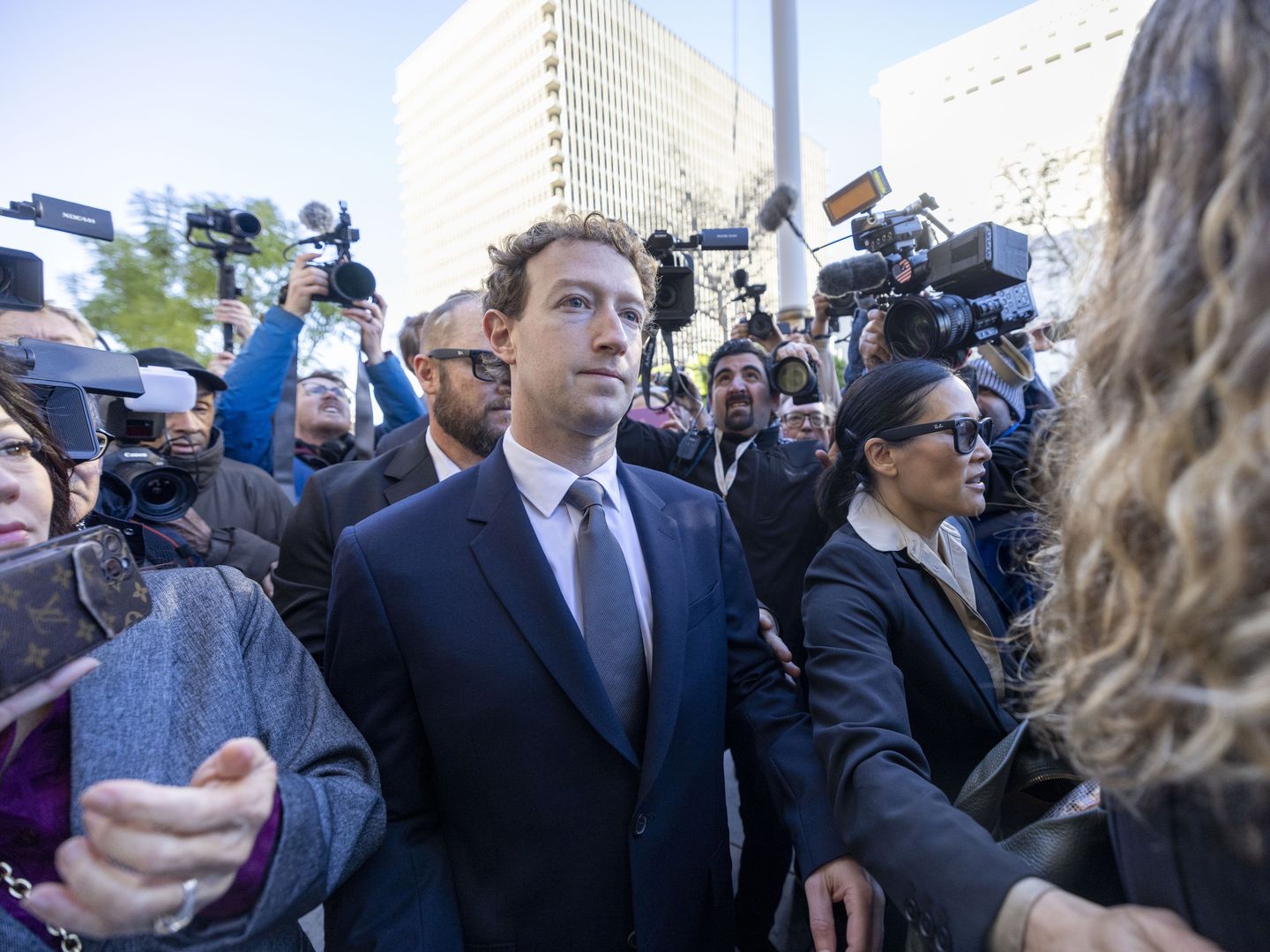
During early proceedings, Zuckerberg defended Meta’s products, stating that the company’s intention has always been to build platforms that foster connection and communication. He acknowledged growing concerns about youth safety but rejected accusations that Meta intentionally created addictive systems. Company lawyers argue that social media usage alone cannot be blamed for complex mental health challenges faced by young people today.
The trial arrives at a time when concerns over the psychological effects of social media have intensified worldwide. Parents, educators, and policymakers have increasingly questioned whether digital platforms contribute to rising levels of stress, loneliness, and self-esteem issues among young users. Advocacy groups supporting the lawsuit contend that technology companies prioritized growth and engagement metrics over user safety during the rapid expansion of social networking platforms over the past decade.
Central to the case is the argument that social media platforms function similarly to consumer products. Lawyers for the plaintiff maintain that if companies knowingly designed systems that encourage dependency, they should be held accountable under product liability laws—much like manufacturers responsible for defective or dangerous goods.
Meta’s defense team, however, maintains that responsibility ultimately lies with users and guardians who choose how platforms are used. The company points to recent investments in parental supervision tools, screen-time reminders, privacy protections, and age-appropriate safety features introduced in response to public criticism. Meta representatives argue that the company has continually evolved its policies to address emerging concerns while maintaining open communication spaces for billions of users worldwide.
The proceedings have drawn comparisons to historic corporate litigation cases involving industries such as tobacco and pharmaceuticals, where internal company decisions and awareness of potential risks became pivotal legal issues. Observers note that a ruling against Meta could open the door to widespread lawsuits targeting not only social media companies but also other digital platforms that rely on engagement-based algorithms.
Technology analysts warn that the outcome may significantly influence how platforms design future digital experiences. A verdict finding Meta liable could push companies to reconsider recommendation systems, limit persuasive design techniques, or introduce stricter safeguards for younger audiences. Conversely, a ruling in Meta’s favor may reinforce existing legal protections that have historically shielded technology companies from liability related to user behavior.
Beyond legal consequences, the trial has sparked a broader cultural debate about the role of technology in modern life. Social media platforms have become central to communication, education, activism, and entertainment, making questions about their impact increasingly urgent. Critics argue that algorithmic systems capable of shaping attention and behavior carry responsibilities comparable to traditional media institutions.
Zuckerberg’s appearance before a civilian jury represents a rare moment in which a leading figure of the digital economy must directly confront public concerns within a courtroom rather than a legislative hearing. While technology executives have frequently testified before lawmakers, jury trials introduce the possibility of financial damages and legally binding accountability.
The case is expected to continue for several weeks, featuring testimony from psychologists, former technology employees, academic researchers, and families affected by excessive social media use. The jury’s decision could influence regulatory discussions across multiple countries currently exploring stronger oversight of digital platforms.

As societies grapple with balancing innovation and user well-being, the trial underscores a fundamental question of the digital age: whether social media companies should be judged solely as communication platforms—or as powerful products capable of shaping human behavior.
Whatever the verdict, the proceedings signal a turning point in how courts, governments, and the public evaluate the responsibilities of technology companies in an increasingly connected world. The outcome may ultimately determine not only Meta’s legal future but also the direction of the global social media industry for years to come.