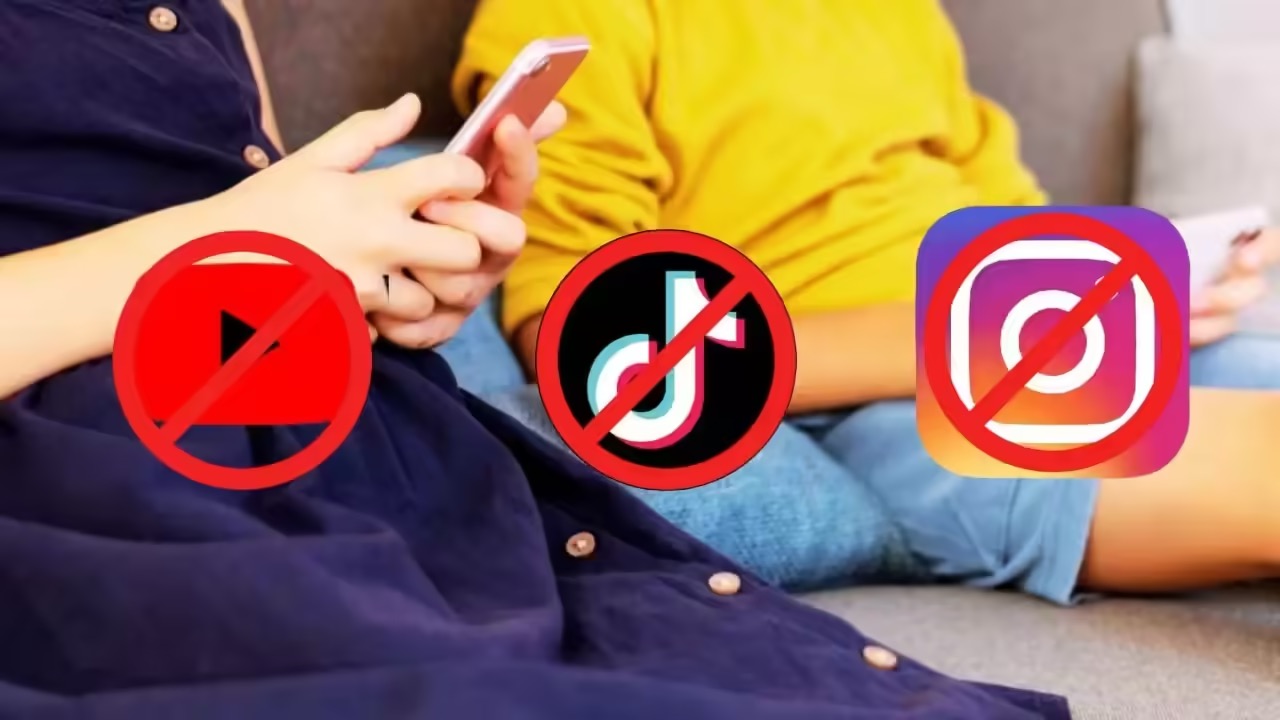
Australia’s much-debated attempt to restrict teenagers’ access to social media is increasingly being viewed as a policy that has failed to deliver on its promises. What was once framed as a decisive step toward protecting young people online now appears mired in practical challenges, unintended consequences, and growing skepticism. Yet, as critics like Samantha Floreani point out, the moment calls less for vindication and more for reflection.
The policy, introduced in Australia amid rising global concern about the psychological and social effects of digital platforms, aimed to limit or ban access to social media for users below a certain age. It was driven by mounting evidence linking excessive social media use to anxiety, depression, and cyberbullying among teenagers. Politicians presented the move as a bold intervention—one that would force tech companies to take responsibility while giving parents and educators much-needed relief.
However, the reality has proven far more complex. Within months of its rollout, it became evident that enforcement mechanisms were struggling to keep pace with the adaptability of young users. Teenagers quickly found ways around restrictions, using virtual private networks (VPNs), creating false accounts, or migrating to lesser-known platforms that operate outside the regulatory spotlight. What was envisioned as a firm barrier has instead become a porous boundary.
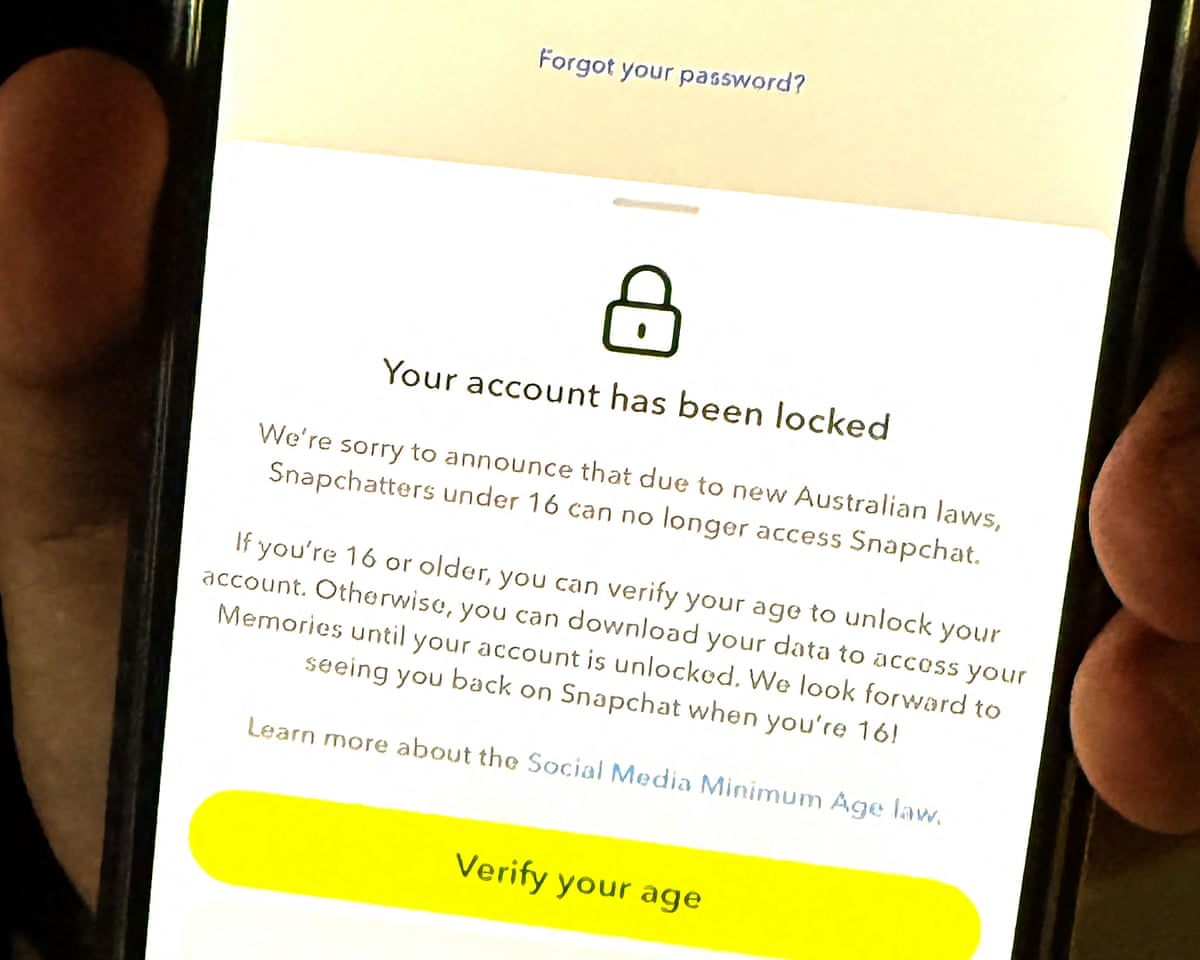
The core issue lies in the technical and ethical challenges of age verification. To enforce the ban, platforms were expected to implement systems capable of accurately determining users’ ages. This has proven difficult without requiring intrusive data collection, such as government-issued IDs or biometric verification. Privacy advocates argue that such measures risk exposing young users to new forms of harm, effectively trading one set of risks for another. The policy’s reliance on these mechanisms has therefore created a dilemma: enforce strictly and compromise privacy, or relax controls and undermine effectiveness.
From the outset, critics had warned that the ban was a blunt instrument—one that oversimplified the complexities of young people’s digital lives. Floreani, among others, argued that restricting access does little to address the structural issues embedded within social media platforms themselves. Algorithms that promote addictive behavior, inadequate moderation of harmful content, and the commodification of user attention remain largely untouched by such policies. In this sense, the ban targets symptoms rather than causes.
There are also broader social implications. For many teenagers, social media is not merely a source of entertainment but a vital space for connection, self-expression, and community building. Limiting access can inadvertently isolate young people, particularly those who rely on online platforms for support networks that may not exist in their offline environments. Critics argue that the policy fails to recognize this dual nature of social media—as both a potential harm and a meaningful resource.
Educators and psychologists have similarly raised concerns about the long-term impact of prohibition-based approaches. By attempting to shield teenagers entirely, the policy may be depriving them of opportunities to develop critical digital literacy skills. Learning how to navigate online spaces safely, identify misinformation, and manage screen time are essential competencies in the modern world. Without guided exposure, young people may be less prepared to handle the challenges of digital engagement when restrictions inevitably lift.
Parents, who were initially seen as beneficiaries of the policy, have reported mixed experiences. While some welcomed the government’s intervention, others found that the ban shifted rather than solved the problem. Teenagers often became more secretive about their online activities, leading to increased tension within households. The expectation that external regulation could replace active parental engagement has, in many cases, proven unrealistic.
For technology companies, the ban has introduced a new layer of complexity. Global platforms must navigate differing regulations across jurisdictions, balancing compliance with user experience and privacy considerations. The lack of clear, standardized solutions has resulted in inconsistent enforcement, further weakening the policy’s impact. Some companies have implemented stricter controls, while others have taken a more cautious approach, wary of potential backlash.

The broader lesson emerging from Australia’s experience is that quick, high-profile solutions may not be sufficient to address deeply rooted digital challenges. Governments worldwide are grappling with similar questions about how to regulate social media, particularly for younger users. Australia’s policy was closely watched as a potential model; its shortcomings now serve as a cautionary example.
Importantly, the failure of the ban does not negate the underlying concerns that led to its creation. The mental health and safety of young people in digital spaces remain pressing issues. What the experience highlights, however, is the need for more nuanced and comprehensive approaches. This could include stronger regulation of platform design, greater transparency in algorithms, improved content moderation, and robust digital education programs.
Floreani and other advocates have called for a shift toward policies that center the rights and voices of young people themselves. Rather than treating teenagers as passive subjects of regulation, this approach emphasizes their agency and capacity to contribute to solutions. Engaging young users in policymaking processes could lead to more effective and inclusive outcomes.
As Australia reassesses its strategy, the focus is gradually shifting from restriction to reform. There is growing recognition that protecting young people online requires collaboration between governments, technology companies, educators, parents, and the users themselves. It is not a challenge that can be solved through bans alone.
In the end, there is little satisfaction in saying “I told you so.” The stakes are too high, and the consequences too significant. The shortcomings of Australia’s teen social media ban underscore the urgency of finding better ways forward—ones that acknowledge the realities of digital life while striving to make it safer and more equitable for the next generation.