WiseTech Board Faces Governance Firestorm Amidst Investor Scrutiny
WiseTech Global, the Australian logistics software giant, is navigating a governance crisis as tensions mount between its board and shareholders. Recent reports have unveiled concerns over corporate governance practices, leading to increased scrutiny from investors and industry analysts.
At the heart of the controversy are allegations regarding transparency and the board’s decision-making processes. Shareholders are demanding clearer communication and accountability, particularly following the company’s recent financial performance, which has raised questions about strategic direction.

In response, WiseTech’s board, including its founder and CEO, Richard White, has publicly committed to enhancing governance practices. The board elders have emphasized their dedication to long-term growth and stakeholder engagement, promising to address the concerns raised. “We are committed to maintaining the highest standards of corporate governance and will work diligently to ensure all voices are heard,” White stated.
As the situation unfolds, WiseTech is under pressure to not only reassure investors but also to demonstrate its commitment to ethical governance. The ongoing firestorm has implications not just for WiseTech but also for the broader tech sector in Australia, where governance practices are increasingly coming under the spotlight. Investors will be watching closely as the board navigates this turbulent period.
Samsung Launches Controversial New Smart Ring: “Wear It, But Don’t Look!”
Samsung has unveiled its latest innovation, the Samsung Ring, a sleek wearable device designed to monitor health metrics and enhance daily connectivity. However, the launch has sparked controversy with the unusual caveat: users are advised not to look directly at the ring.
The Samsung Ring, which tracks heart rate, sleep patterns, and activity levels, features a unique design that incorporates a subtle display. Yet, early testers have reported a disorienting experience when glancing at the ring, citing distractions that disrupt focus and even cause nausea. Samsung has responded to the feedback, urging users to interact with the device primarily through voice commands and notifications rather than visual prompts.

“While the ring offers cutting-edge technology for health monitoring, we encourage users to wear it discreetly and engage with it through audio cues,” said a company spokesperson. The ring’s launch comes as wearable technology continues to gain popularity, with consumers increasingly seeking discreet ways to stay connected.
As Samsung navigates this peculiar launch, the tech community is left wondering whether the benefits of the Samsung Ring will outweigh the unconventional warning. The device is set to hit the market next month, promising a blend of innovation and caution for users.
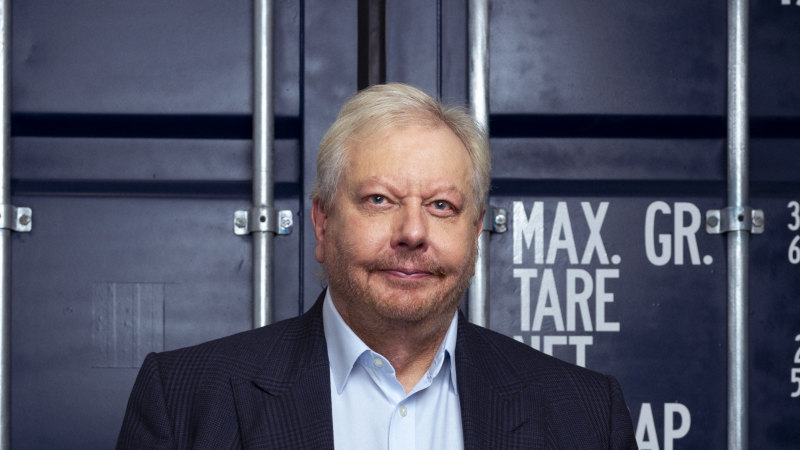
Richard White’s Humble Tech Nerd Image Under Scrutiny Amid Governance Controversies
Richard White, the founder and CEO of WiseTech Global, has long been celebrated as a humble tech entrepreneur, often portraying himself as the quintessential “tech nerd” passionate about logistics innovation. However, recent developments have challenged this image, as governance issues and investor concerns come to the forefront.
In the wake of allegations regarding transparency and board decision-making processes, White’s leadership has faced intense scrutiny. Shareholders are questioning the company’s governance practices, demanding greater accountability and clearer communication after a series of troubling financial reports. Critics argue that White’s once-approachable persona has shifted, revealing a more defensive and secretive side as he navigates the fallout.
While White has historically been seen as a relatable figure in the tech community, the governance firestorm has led to calls for significant changes in corporate practices. The growing discord between the board and shareholders raises questions about the future of WiseTech and White’s leadership style.
As he grapples with this evolving narrative, Richard White must work to restore trust and transparency to both his company and his public image, reminding stakeholders of the values that once defined his entrepreneurial journey.
Tech Founders’ ‘Rock Star Status’ Overcomes Bullying Allegations in Startup Culture
In the fast-paced world of technology startups, the “rock star” status of founders is proving resilient, even amid serious allegations of workplace bullying. Recent reports have surfaced detailing accusations against prominent tech leaders, highlighting a troubling trend where disruptive behavior is overlooked in favor of celebrity-like admiration.
Despite claims from former employees about toxic work environments and bullying tactics, many of these founders continue to enjoy immense popularity and support within the industry. Their ability to attract investment and talent often overshadows the serious concerns raised by those who have worked closely with them.
Industry experts warn that this dynamic poses a significant risk to startup culture, where innovation and ambition are sometimes prioritized over employee well-being. “There’s a troubling normalization of unacceptable behavior when the founder’s vision overshadows their treatment of staff,” said workplace culture advocate Sarah Jensen.
As calls for accountability grow louder, the tech community faces a crucial moment. Balancing admiration for visionary leaders with the need for a healthy workplace environment will be essential in shaping the future of startups. The ongoing debate underscores the importance of addressing bullying allegations seriously, regardless of a founder’s perceived status.
ASX CEO Sparks Controversy with Side Hustle Selling DIY AI ‘Girlfriends’
In a surprising turn of events, the CEO of the Australian Securities Exchange (ASX) has found himself at the center of controversy due to a side venture selling DIY artificial intelligence “girlfriends.” The company, launched discreetly alongside his executive duties, offers customizable AI companions designed to engage in conversation and provide emotional support.
While some view the venture as an innovative take on companionship in the digital age, critics argue that it raises ethical concerns surrounding emotional manipulation and dependency on technology. The product’s marketing highlights its appeal to those seeking connection in an increasingly isolating world, but questions about the appropriateness of an ASX executive engaging in such a business have emerged.
Market analysts are divided on the potential impact of this side hustle on the CEO’s reputation and the ASX itself. Some believe it could distract from his leadership role, while others suggest it reflects a growing acceptance of unconventional business models in the tech space.
As discussions around the implications of AI companionship evolve, this unusual intersection of finance and technology highlights the complexities of modern entrepreneurship, prompting debates on the boundaries of professionalism and personal interests in leadership roles.