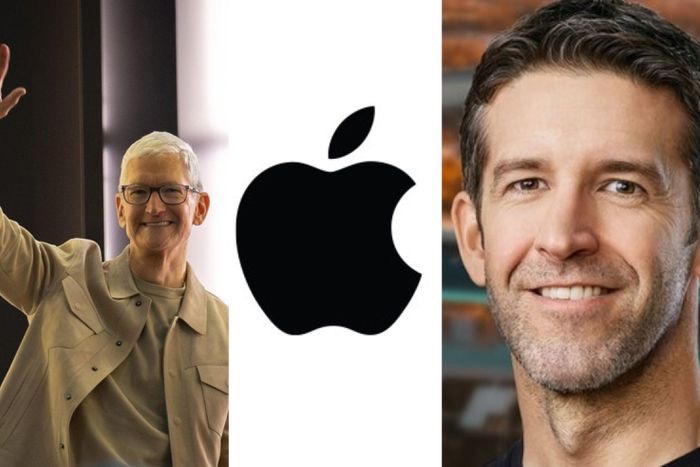
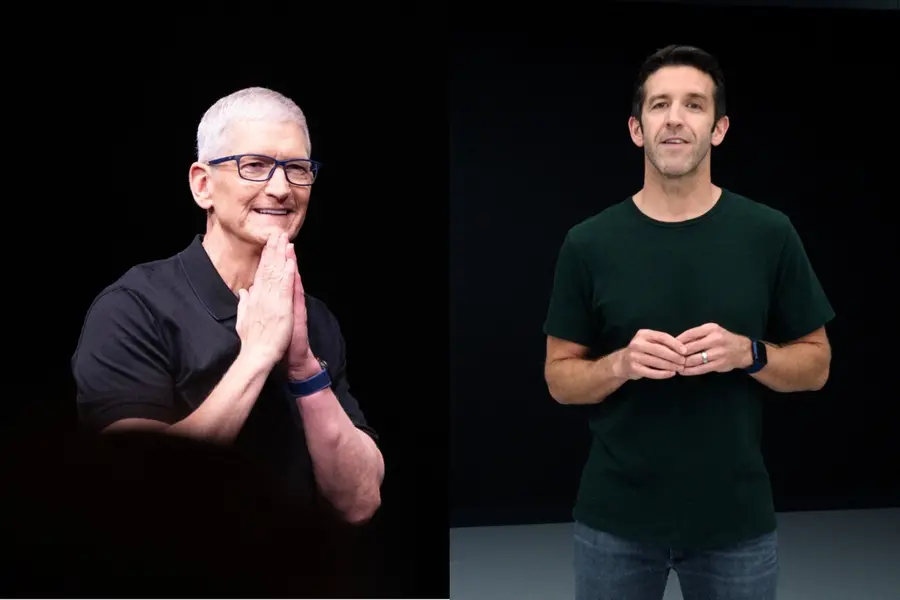
Tim Cook has announced that he will step down as Chief Executive Officer of Apple Inc.later this year, marking the end of a transformative era for the global technology giant. The company has confirmed John Ternus as his successor, signaling a carefully planned leadership transition rooted in continuity and internal promotion.
Cook, who has led Apple since 2011 following the passing of Steve Jobs, is expected to transition into a senior role, likely as chairman or strategic advisor. The move is part of a long-anticipated succession strategy that reflects Apple’s reputation for stability and meticulous planning at the highest levels of leadership.
During his nearly 15-year tenure, Cook oversaw one of the most significant growth phases in corporate history. When he assumed leadership, Apple was already a dominant force in consumer technology, but under his stewardship, it evolved into a diversified ecosystem spanning hardware, software, and services. The company expanded its product lines, strengthened its global supply chain, and deepened its presence in international markets.

Cook’s leadership style differed notably from that of his predecessor. While Steve Jobs was widely known for his visionary approach and product intuition, Cook brought operational discipline and strategic execution to the forefront. This shift enabled Apple to scale efficiently while maintaining high profit margins and consistent product cycles. His focus on logistics and supply chain optimization proved especially critical during periods of global disruption.
A defining feature of Cook’s tenure has been his emphasis on values such as privacy, sustainability, and corporate responsibility. Apple positioned itself as a leader in data protection, often highlighting its commitment to user privacy as a core differentiator. The company also made significant strides in reducing its environmental footprint, investing in renewable energy and sustainable manufacturing practices.
Despite these achievements, Cook’s later years as CEO were marked by mounting challenges. The technology landscape has been rapidly reshaped by advances in artificial intelligence, automation, and immersive computing. While Apple has made progress in these areas, critics have argued that it has moved more cautiously compared to some of its competitors. Questions around the pace of innovation, particularly in AI, have become increasingly prominent in industry discussions.
The appointment of John Ternus as CEO reflects Apple’s confidence in its internal leadership bench. Ternus, who currently serves as Senior Vice President of Hardware Engineering, has been with the company for more than two decades. He has played a key role in the development of Apple’s flagship products, including the iPhone, Mac, and iPad, and is widely regarded as a steady and capable leader.
Known for his engineering expertise and collaborative management style, Ternus represents continuity in Apple’s product-driven culture. His elevation to CEO suggests that the company intends to maintain its focus on hardware excellence while navigating new technological frontiers. At the same time, he will be responsible for overseeing Apple’s growing services business, which has become a major contributor to its revenue.
Ternus assumes leadership at a pivotal moment. The global technology sector is becoming increasingly competitive, with major players investing heavily in artificial intelligence, augmented reality, and next-generation computing platforms. Apple’s ability to remain competitive in these areas will depend on its capacity to innovate while leveraging its existing ecosystem.
In addition to technological competition, Apple faces increasing regulatory scrutiny across multiple regions. Governments are examining issues related to market dominance, app store practices, and data governance. Managing these challenges will require careful navigation, as regulatory decisions could have significant implications for Apple’s business model.
The transition from Cook to Ternus is expected to be smooth, reflecting Apple’s long-standing culture of internal alignment and strategic foresight. By promoting a seasoned executive from within, the company is minimizing disruption while ensuring that its core values and vision remain intact.
For Tim Cook, stepping down marks the conclusion of a remarkable leadership journey. He not only preserved Apple’s legacy following Steve Jobs but also expanded it in ways that reshaped the company’s role in the global economy. His tenure will likely be remembered for its stability, growth, and the successful transformation of Apple into a multifaceted technology powerhouse.
As John Ternus prepares to take the helm, attention will turn to the future. Apple stands at the intersection of opportunity and challenge, with emerging technologies offering new avenues for growth while intensifying competition tests its resilience. The coming years will define how the company adapts to this evolving landscape.
The leadership change signals more than the end of an era—it marks the beginning of a new chapter for Apple, one that will be closely watched by industry observers, investors, and consumers around the world.