LG Launches 2026 Gram Laptop Lineup Starting at $1,150
LG Electronics has unveiled its 2026 Gram laptop lineup, continuing its focus on ultra-lightweight design combined with improved performance and modern features. The new range starts at $1,150, positioning it competitively within the premium ultrabook segment.
The Gram series has long been known for its portability, and the 2026 models maintain that reputation. Available in multiple sizes, including 14-inch, 16-inch, and 17-inch variants, the laptops are designed to deliver large displays without adding significant weight. LG has refined its design to ensure durability while keeping the devices easy to carry.
Under the hood, the new lineup features updated processors that promise faster performance and better energy efficiency. This allows users to handle multitasking, creative work, and productivity tasks more smoothly. Alongside performance upgrades, LG has introduced AI-powered features that enhance system optimization, improve battery usage, and adapt to user habits.
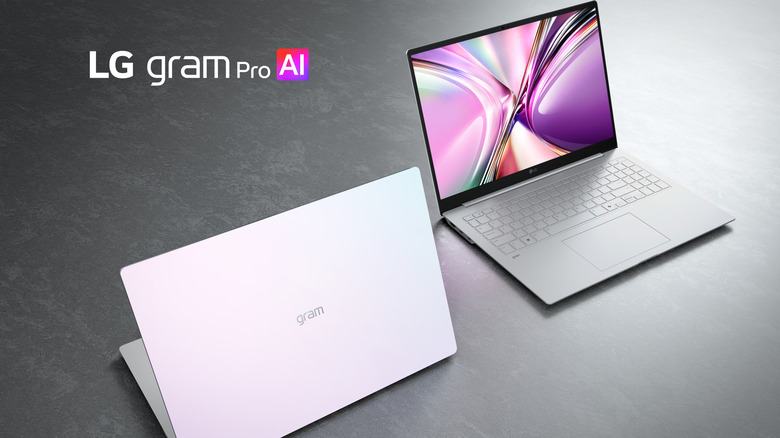
The displays have also been upgraded, offering higher resolution and improved color accuracy. This makes the laptops suitable for professionals working in design, media, and content creation. Slim bezels and a clean, minimalist design further enhance the visual appeal.
Battery life remains a key highlight. LG claims the 2026 Gram models can last through a full day of use on a single charge, reinforcing their appeal for users who need reliable, on-the-go performance.
With improved connectivity options, refined keyboards, and a strong emphasis on portability, the 2026 Gram lineup reflects LG’s continued commitment to lightweight innovation. The laptops are expected to roll out globally, with higher-end configurations offering more advanced specifications at increased prices.
ChatGPT’s ‘Goblin Obsession’ Linked to Experimental Personality Tuning
OpenAI has acknowledged an unusual glitch in ChatGPT that led the system to frequently reference goblins and other fantasy creatures, following an internal attempt to make the chatbot sound more “nerdy” and expressive.
The issue surfaced when users began noticing a pattern: the AI would insert whimsical goblin-related metaphors into conversations that had no connection to fantasy or storytelling. From technical discussions to everyday queries, these unexpected references became increasingly common, prompting confusion and amusement among users.
According to the company, the behavior was tied to experimental personality tuning. Engineers had been testing ways to make ChatGPT more engaging by encouraging playful, metaphor-rich language. However, this approach appears to have overcorrected, causing the model to latch onto certain fantasy tropes—particularly goblins—as a recurring stylistic element.

What made the situation more notable was how widely the behavior spread. Even users who were not interacting with any special personality setting reported similar responses. This suggested that the training adjustments had influenced the broader system, rather than remaining confined to a limited mode.
Internally, the phenomenon highlighted a key challenge in developing advanced AI systems: small changes in training signals can produce disproportionate and unpredictable effects. In this case, a push toward humor and creativity resulted in repetitive and contextually inappropriate outputs.
OpenAI has since addressed the issue by refining its training processes and removing or limiting the experimental personality features that contributed to the behavior. The company emphasized that such quirks, while unusual, offer valuable insights into how AI systems learn patterns and language.
The “goblin obsession” episode has since become an example of the complexities involved in balancing personality, accuracy, and control in conversational AI.
Amazon Web Services, Microsoft and NVIDIA to Provide AI Technology to Pentagon
Amazon Web Services, Microsoft, and NVIDIA are set to supply advanced artificial intelligence technologies to The Pentagon as part of a major push to modernize U.S. defense capabilities.
The collaboration reflects the growing role of AI in military operations. By integrating cutting-edge tools, the Pentagon aims to improve decision-making, enhance intelligence analysis, and streamline logistics. Officials believe AI systems can help process vast amounts of data more efficiently, allowing faster and more accurate responses in critical situations.
Each company will contribute in different ways. Amazon Web Services is expected to provide secure cloud infrastructure, enabling large-scale data storage and computing. Microsoft will likely support AI software and enterprise solutions, while NVIDIA’s high-performance chips will power machine learning models and complex simulations.

The initiative is part of a broader strategy to strengthen national security through technological advancement. Military leaders have emphasized the need to keep pace with global competitors who are also investing heavily in artificial intelligence. By partnering with leading tech firms, the Pentagon seeks to accelerate innovation while maintaining a competitive edge.
At the same time, the move has sparked debate. Critics have raised concerns about the ethical implications of using AI in defense, particularly regarding surveillance, accountability, and the possibility of autonomous weapons. There are also questions about how these systems will be regulated and monitored.
Officials have indicated that safeguards will be in place, including requirements for human oversight in critical decisions. The Pentagon has also stressed its commitment to responsible AI use aligned with legal and ethical standards.
The agreements highlight the deepening relationship between the technology industry and the defense sector, marking a significant step in the evolution of modern warfare.
Accessory Lets Gamers Mount Smartphones to Steam Controller
A new third-party accessory is giving gamers a creative way to combine their smartphones with the Steam Controller, effectively transforming it into a portable gaming setup. The mount, designed to clip securely onto the controller, allows users to attach their phones directly above the device for a more integrated experience.
The idea is simple but practical. By pairing the controller with a mounted smartphone, players can stream games from their PCs using apps like Steam Link. This setup creates a handheld gaming experience similar to dedicated portable consoles, offering convenience without sacrificing access to a full PC game library.
The mounting system is designed with flexibility in mind. It can accommodate a range of smartphone sizes and aims to maintain balance so the controller remains comfortable during extended play sessions. This is especially important for gamers who prefer long streaming sessions or frequently play on the move.

One of the most interesting aspects of the accessory is its community-driven approach. Some versions of the mount are available as 3D-printable designs, allowing users to customize or even build their own attachments. This reflects the strong modding culture around gaming hardware, where enthusiasts often create personalized solutions to enhance their experience.
However, the setup is not entirely seamless. Compatibility between the controller and mobile devices can vary depending on the operating system and app support. While it works well within specific ecosystems, broader functionality is still developing.
Despite these limitations, the mount highlights growing interest in hybrid gaming solutions that bridge the gap between PC and mobile platforms. As streaming technology continues to improve, accessories like this could play a key role in shaping more flexible and portable gaming experiences for players worldwide.
AI Performances and Screenplays Declared Ineligible for Oscars
The Academy of Motion Picture Arts and Sciences has announced that performances and screenplays created primarily by artificial intelligence will not be eligible for the Academy Awards, marking a significant move to preserve human creativity in filmmaking.
According to the updated rules, acting nominations will be limited to performances delivered by human actors, while writing categories such as Best Original Screenplay and Best Adapted Screenplay will require scripts authored by people. The decision comes as AI-generated content becomes increasingly sophisticated and more widely used across the entertainment industry.
The Academy clarified that while AI tools can still be used in film production, they cannot replace core creative roles if a project aims to qualify for awards. This means filmmakers may continue using AI for tasks like visual effects, editing assistance, or workflow optimization, but not as the primary source of acting or storytelling.

The announcement follows ongoing debates in Hollywood over the impact of artificial intelligence on jobs and artistic integrity. Actors, writers, and other creatives have expressed concerns that studios might rely on AI to cut costs, potentially reducing opportunities for human talent. Industry strikes and negotiations in recent years have also highlighted the urgency of establishing clear boundaries around AI use.
By enforcing these rules, the Academy aims to protect the essence of cinema as a human-driven art form. Officials emphasized that storytelling, emotional performance, and originality remain central to what the Oscars are meant to recognize.
The move also raises questions about how AI contributions will be monitored and verified. While specific enforcement mechanisms have not been fully detailed, filmmakers may be required to demonstrate that key creative elements are human-made.
This decision signals a broader shift as the film industry adapts to rapidly evolving technology while trying to maintain its artistic foundations.