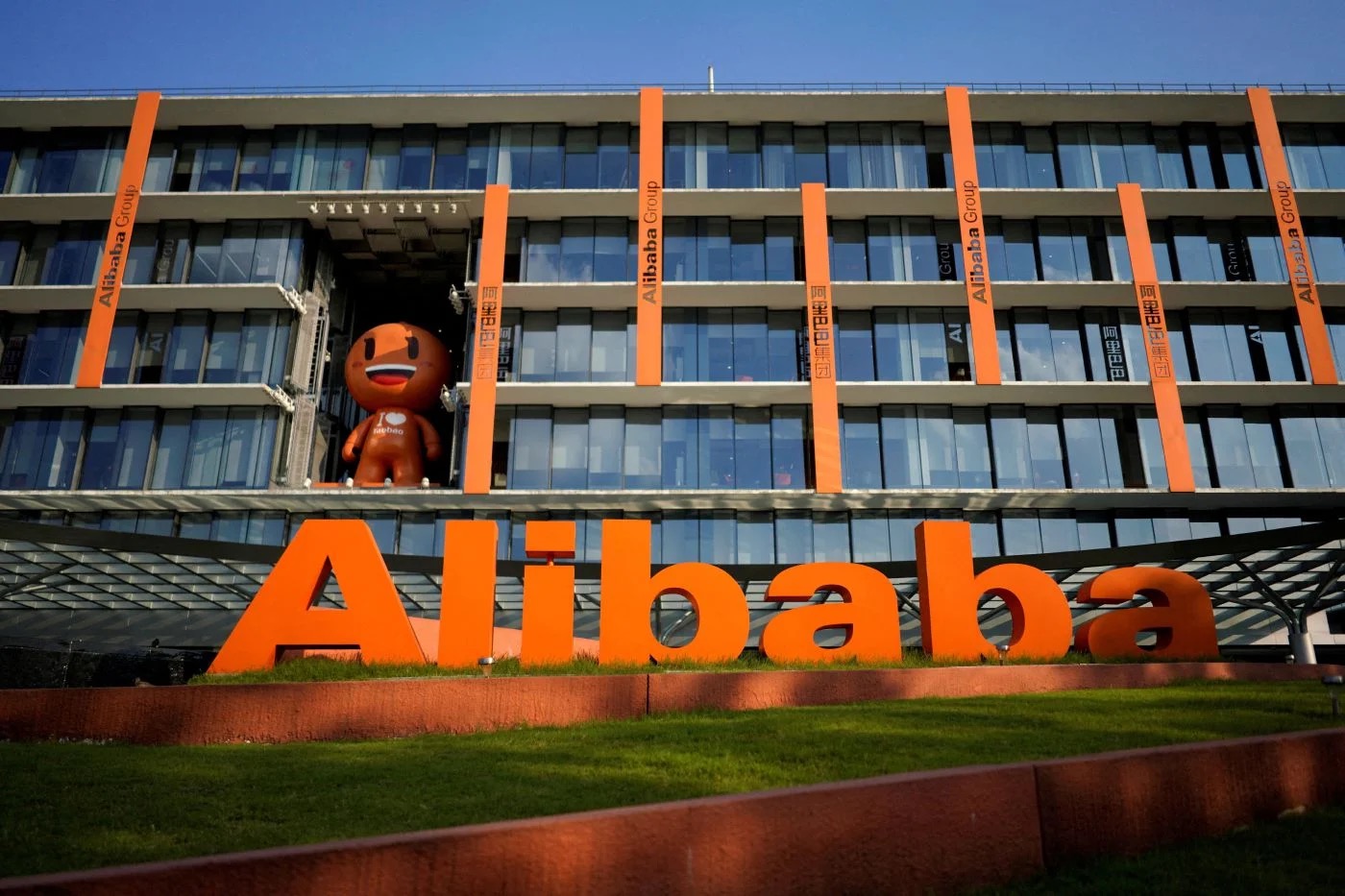
Alibaba Group has filed a lawsuit against the United States government, challenging its inclusion on a Pentagon blacklist that identifies companies allegedly linked to China’s military. The Chinese technology giant argues that its designation was based on insufficient evidence and has asked a federal court to remove the company from the list.
The lawsuit marks a significant development in the ongoing tensions between Washington and Beijing over technology, national security, and trade. Alibaba, one of the world’s largest e-commerce and cloud computing companies, claims that the Pentagon’s decision has unfairly damaged its reputation and created uncertainty for investors, customers, and business partners.
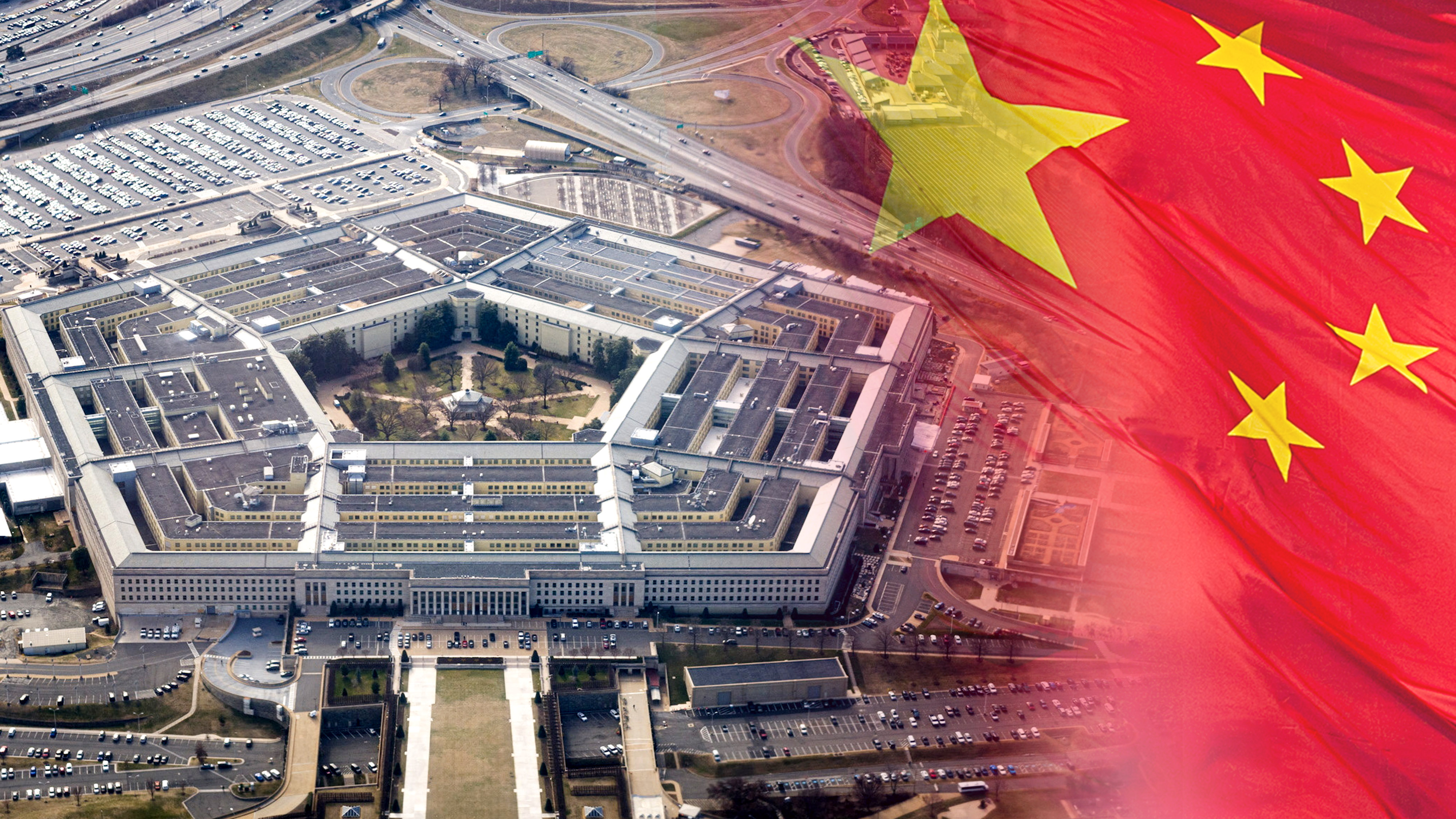
At the center of the dispute is a list maintained by the US Department of Defense that identifies companies believed to be connected to or supportive of the People’s Liberation Army (PLA). While inclusion on the list does not automatically impose sanctions, it can lead to restrictions on investment and business activities, while also affecting a company’s standing in global markets.
In its court filing, Alibaba argued that the US government failed to provide substantial evidence showing that the company assists the Chinese military or operates under military influence. The company contends that it is a commercial enterprise focused on serving consumers and businesses through its e-commerce platforms, cloud computing services, logistics networks, and digital technology offerings.

Alibaba stated that being placed on the Pentagon’s blacklist has caused significant harm. The company said the designation creates the impression that it is involved in activities that threaten US national security, despite what it describes as a lack of factual support for such claims. The lawsuit further argues that the government relied on broad assumptions rather than concrete evidence when deciding to add Alibaba to the list.
The legal challenge comes at a time when the United States has intensified scrutiny of Chinese technology firms. In recent years, Washington has increasingly focused on the potential national security risks posed by Chinese companies operating in critical technology sectors. Concerns have centered on issues such as data security, artificial intelligence, cloud infrastructure, telecommunications, and the possibility of cooperation between private companies and Chinese state institutions.
US officials have long argued that certain Chinese firms could be compelled to assist government agencies or military organizations under China’s legal framework. As a result, authorities have adopted a more cautious approach toward Chinese companies seeking access to American markets, technologies, and investors.
Alibaba, however, has consistently maintained that it operates independently as a commercial business and has no affiliation with military activities. The company argues that its core mission revolves around facilitating online commerce, providing digital services, and supporting businesses around the world. It insists that its operations are conducted transparently and in accordance with applicable laws and regulations.
The lawsuit also raises questions about the standards used by US authorities when designating companies as military-linked entities. Alibaba claims that the process lacked transparency and that the company was not provided with sufficient information regarding the basis for its inclusion. According to the filing, the designation was made without giving Alibaba a meaningful opportunity to respond to the allegations or challenge the evidence.
Legal experts say the case could have broader implications beyond Alibaba itself. A favorable ruling for the company could encourage other firms facing similar designations to challenge government decisions in court. It could also prompt greater scrutiny of the procedures used by federal agencies when making national security-related determinations involving foreign corporations.
On the other hand, if the government successfully defends its decision, it could reinforce Washington’s authority to identify and restrict companies that it believes pose strategic or security concerns. Such an outcome would likely strengthen the broader framework through which the US monitors foreign companies operating in sectors deemed sensitive to national interests.
For investors, the lawsuit represents another reminder of the growing geopolitical risks affecting global businesses. Companies operating across multiple jurisdictions increasingly find themselves navigating complex regulatory environments shaped by political and security considerations. The dispute highlights how international corporations can become caught in the crosscurrents of broader tensions between governments.
Alibaba’s legal action also reflects the challenges faced by Chinese technology companies as they seek to expand internationally. While many of these firms have grown into major global players, they continue to encounter regulatory barriers and heightened scrutiny in several markets. Concerns surrounding data privacy, cybersecurity, and state influence have become central issues in policy debates involving Chinese technology businesses.
The case is expected to attract close attention from policymakers, legal analysts, and the business community. As the proceedings move forward, the court will likely examine the evidence supporting Alibaba’s designation and assess whether the government followed appropriate procedures when adding the company to the Pentagon’s blacklist.
The outcome could influence future relations between regulators and multinational technology firms, particularly those operating in areas considered strategically important. It may also shape how governments balance national security concerns with the rights of companies to challenge decisions that affect their operations and reputation.
For Alibaba, the lawsuit represents an effort to protect its global business interests and restore confidence among stakeholders. The company maintains that it has been unfairly targeted and is seeking a judicial ruling that would remove it from the blacklist and clear its name.
As competition between the United States and China continues to extend beyond trade into technology and security, cases such as this underscore the increasingly complex relationship between business, geopolitics, and regulation. The legal battle is likely to be closely watched as both sides present their arguments in what could become a landmark case for the global technology industry.