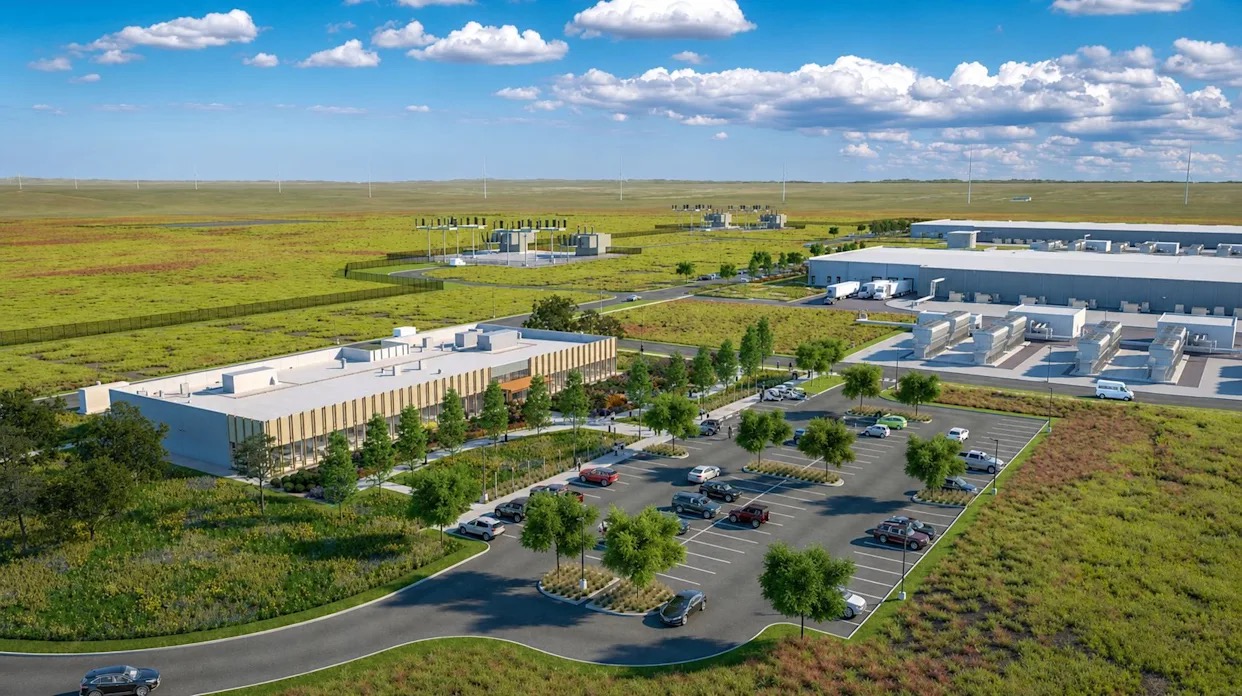
The Scottish government is considering a proposal to temporarily halt the construction of new data centres, a move that could have far-reaching implications for the United Kingdom’s ambitions to become a global leader in artificial intelligence (AI). The proposal follows a motion submitted by the Scottish National Party (SNP) National Council calling for a moratorium on all new data centre developments until their environmental, economic, and social impacts are thoroughly assessed.
If implemented, the moratorium would pause approvals for future data centre projects across Scotland while policymakers review the growing demands these facilities place on electricity networks, water resources, and land use. Existing data centres would continue to operate, but new developments could face significant delays pending the outcome of the review.
The proposal has sparked debate among policymakers, environmental groups, industry leaders, and technology companies, highlighting the challenge of balancing rapid technological advancement with sustainability and climate commitments.
Data centres have become one of the most important components of the digital economy. They provide the computing infrastructure that powers cloud services, online platforms, financial systems, healthcare applications, government operations, and, increasingly, artificial intelligence. The rapid growth of AI has dramatically increased demand for large-scale computing facilities capable of processing vast quantities of data and supporting sophisticated machine learning models.

Modern AI systems require thousands of powerful processors operating continuously to train and deploy advanced algorithms. These processors generate substantial amounts of heat, making sophisticated cooling systems essential for maintaining safe operating conditions. As a result, AI-focused data centres consume significant amounts of electricity and, in many cases, large volumes of water for cooling purposes.
Supporters of the proposed moratorium argue that Scotland should carefully evaluate the long-term consequences of accommodating an expanding network of such facilities. They believe that without stronger planning policies and environmental safeguards, rapid development could place excessive pressure on the country’s energy infrastructure, natural resources, and climate goals.
The motion reflects growing concerns that the expansion of AI infrastructure could outpace the development of renewable energy capacity and grid upgrades needed to support it. While Scotland generates a substantial share of its electricity from renewable sources such as wind power, critics argue that increasing demand from large industrial facilities could create additional challenges for energy planning and distribution.
Water usage has emerged as another major concern. Many large-scale data centres rely on water-based cooling systems that operate throughout the year to prevent servers from overheating. Although newer technologies have improved cooling efficiency, environmental groups warn that growing numbers of facilities could increase competition for water resources, particularly during periods of reduced rainfall or drought.
Beyond environmental considerations, some policymakers have questioned whether data centres deliver sufficient economic benefits to justify their resource requirements. Unlike traditional manufacturing plants or industrial facilities, data centres typically create relatively few permanent jobs after construction is completed. While they generate investment and support local businesses during development, critics argue that long-term employment opportunities remain limited compared to the amount of land, electricity, and infrastructure they consume.
Supporters of the technology sector strongly disagree with that assessment. They argue that data centres are fundamental to the digital economy and serve as critical infrastructure for businesses across nearly every industry. Cloud computing, financial transactions, e-commerce, scientific research, healthcare systems, education, and government services all depend on reliable data centre operations.
The debate is particularly significant because it comes at a time when the UK government is actively promoting artificial intelligence as a key driver of future economic growth. National AI strategies have emphasized expanding computing capacity, encouraging private-sector investment, supporting research, and positioning Britain as a competitive destination for AI innovation.
Large technology companies have announced multi-billion-pound investments in AI infrastructure across Europe as demand for advanced computing continues to rise. Scotland has attracted considerable interest from investors due to several natural advantages, including its cooler climate, growing renewable energy sector, available land for development, and relatively stable electricity supply. Cooler temperatures can reduce cooling costs, making the region particularly attractive for energy-intensive computing facilities.
A temporary freeze on new projects could therefore influence investment decisions by global technology firms. Companies planning future AI infrastructure may choose to redirect projects to other parts of the UK or overseas if uncertainty surrounding planning approvals increases. Industry representatives have expressed concern that delays in expanding computing infrastructure could reduce Britain’s competitiveness in the global race to develop artificial intelligence technologies.
However, advocates of the moratorium argue that responsible planning today could prevent larger environmental and infrastructure problems in the future. They believe that establishing clear national standards for energy efficiency, renewable power integration, water management, and community benefits would provide greater certainty for both developers and local residents.
The proposal also reflects broader international debates about the sustainability of artificial intelligence. Around the world, governments are grappling with the environmental costs associated with rapidly expanding AI infrastructure. The increasing electricity demand of AI systems has prompted discussions about modernizing power grids, accelerating renewable energy deployment, and encouraging more energy-efficient computing technologies.
Many technology companies are investing in advanced cooling methods, including liquid cooling systems, closed-loop water recycling, and AI-powered energy management systems designed to reduce resource consumption. These innovations aim to make future data centres more sustainable while supporting the enormous computational requirements of next-generation AI applications.
The Scottish government’s review is expected to examine a range of policy options rather than simply deciding whether to approve or reject future developments. Potential measures could include stricter environmental assessments, mandatory renewable energy commitments, water conservation requirements, carbon reduction targets, and greater community engagement during planning processes.

The discussion also raises broader questions about national priorities. As governments seek to accelerate digital transformation and attract technology investment, they must also ensure that infrastructure growth aligns with environmental objectives and public expectations. Achieving both goals will require careful planning, transparent regulation, and collaboration between policymakers, industry, environmental organizations, and local communities.
Whether or not the proposed moratorium is ultimately adopted, the debate signals a shift in how governments are approaching AI infrastructure. Rather than viewing data centres solely as engines of economic growth, policymakers are increasingly considering their long-term environmental footprint and societal impact.
The outcome of Scotland’s deliberations could influence future policy discussions across the UK and beyond, as countries seek to balance the opportunities presented by artificial intelligence with the responsibility of managing the resources required to power the next generation of digital innovation.