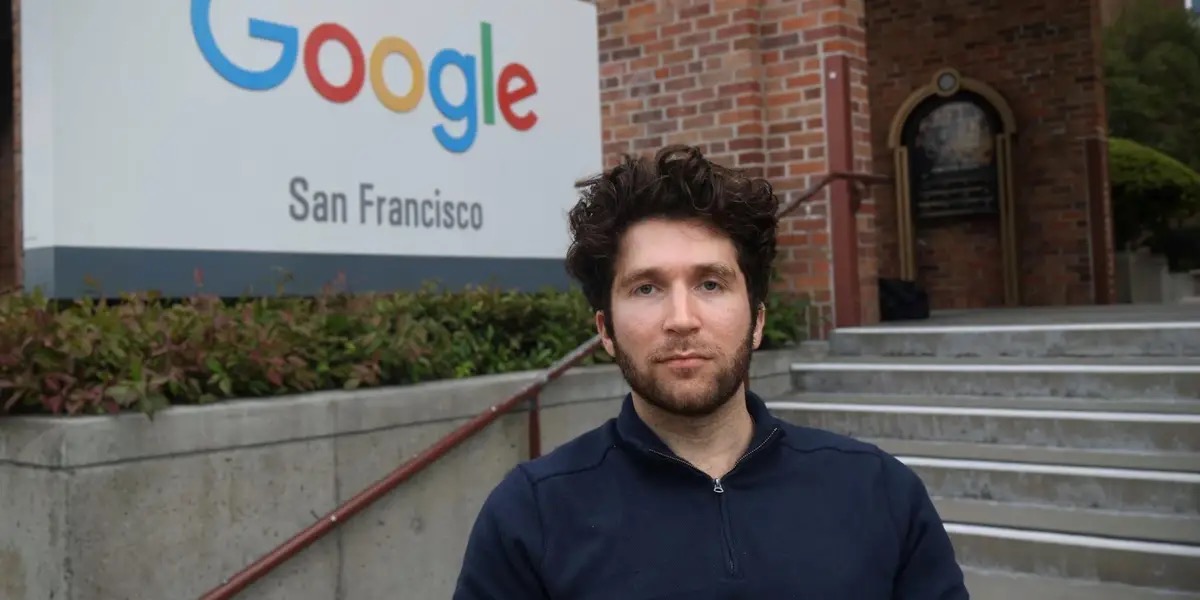
Google DeepMind AI safety researcher Alex Turner has publicly explained the reasons behind his resignation, saying he could no longer remain with the company after it entered into a defense-related agreement with the Pentagon that, in his view, lacked sufficient safeguards against the development of autonomous weapons and the expansion of AI-powered mass surveillance.
Turner, who specialized in AI safety, said his decision to leave was not made lightly. According to him, he spent several months raising concerns internally and urging the company to introduce stronger restrictions on how its artificial intelligence technologies could be used in military and defense applications. When those efforts failed to produce the changes he believed were necessary, he decided to resign.
“I couldn’t stay in good conscience,” Turner said while explaining his departure, describing the move as an ethical decision rather than a professional one.

His resignation has reignited discussions within the technology industry about the responsibilities of AI companies as governments increasingly seek access to advanced artificial intelligence for defense, intelligence, cybersecurity, and national security purposes.
The controversy stems from Google’s reported agreement with the U.S. Department of Defense involving classified AI work. Although the exact scope of the project has not been made public, the partnership is believed to involve advanced AI systems capable of supporting military operations in areas such as data analysis, planning, intelligence processing, and operational decision-making.
Turner argued that agreements involving powerful AI technologies should include explicit safeguards preventing their use in autonomous weapons systems and large-scale surveillance operations. According to him, such protections were either insufficient or absent, raising concerns about how future AI systems could eventually be deployed.
His concerns focused particularly on the possibility of artificial intelligence being integrated into weapons capable of selecting or engaging targets without meaningful human control. Often referred to as “killer robots,” such systems have become one of the most debated issues in global AI governance.
Critics of autonomous weapons argue that allowing machines to make life-and-death decisions raises serious ethical, humanitarian, and legal questions. They warn that increasingly capable AI systems could fundamentally change the nature of warfare while making accountability more difficult in the event of mistakes or civilian casualties.
Turner also expressed concern about the potential use of AI for mass surveillance. Modern AI systems are capable of processing enormous amounts of information, including images, video footage, communications, biometric data, and public records. While these capabilities can assist law enforcement and national security agencies, privacy advocates have warned that they could also enable unprecedented levels of surveillance if deployed without appropriate oversight.
According to Turner, AI companies have a responsibility to establish clear limitations on how their technologies may be used before they become deeply integrated into government and military operations. He argued that technical innovation should be accompanied by equally strong ethical safeguards to minimize the risk of misuse.
Reports indicate that Turner’s concerns were shared by many within Google. Around 600 employees reportedly opposed the company’s Pentagon agreement, highlighting broader divisions inside the organization over defense-related AI projects.
Employee activism has played an important role in shaping debates at major technology companies in recent years. Google has previously experienced internal protests over military contracts, with employees questioning whether the company’s technologies should contribute to warfare or surveillance. Those earlier debates prompted the company to publish AI principles intended to guide the responsible development and deployment of artificial intelligence.
However, the rapid advancement of AI technology has continued to blur the boundaries between civilian and military applications. Many AI systems developed for commercial purposes, such as language models, image recognition, or data analysis tools, can also support defense and intelligence activities. This dual-use nature has complicated discussions about where companies should draw ethical boundaries.
Supporters of government partnerships argue that collaboration between technology companies and democratic governments is essential for national security. They contend that advanced AI can improve cybersecurity, disaster response, intelligence analysis, logistics, and defense planning while helping democratic nations remain technologically competitive.
Many also argue that if responsible technology companies decline to work with governments, other organizations or rival nations may develop similar capabilities with fewer ethical constraints. From this perspective, participation allows companies to influence how AI is deployed and promote responsible practices.
Opponents, however, believe that partnerships involving classified military work require much greater transparency and stronger commitments to prevent harmful applications. They argue that commercial AI companies should not contribute to systems that could eventually enable autonomous weapons or widespread surveillance without meaningful human oversight.
Turner’s resignation also highlights the growing importance of AI safety as a field of research. AI safety specialists focus on ensuring that increasingly powerful AI systems remain reliable, aligned with human values, and resistant to misuse. As governments and businesses deploy more capable AI technologies, researchers believe safety considerations should become an integral part of product development rather than an afterthought.
The timing of Turner’s departure comes as governments around the world are rapidly increasing investments in artificial intelligence. Countries are competing to strengthen their AI capabilities for economic growth, scientific research, public services, and national defense. This has intensified discussions over how to balance innovation with ethical responsibility and public accountability.
International organizations and policymakers have also begun debating rules governing military AI. While some experts advocate for legally binding international treaties restricting autonomous weapons, others argue that existing laws of armed conflict are sufficient when combined with appropriate human oversight. Despite years of discussions, global consensus on regulating military AI remains elusive.
For Google DeepMind, the resignation underscores the challenges of operating at the forefront of AI research while navigating the competing expectations of governments, employees, regulators, and the public. As one of the world’s leading AI organizations, its decisions regarding defense partnerships are likely to continue attracting close scrutiny.
The broader technology industry is also watching closely. Companies developing advanced AI systems are increasingly finding themselves at the center of debates over ethics, national security, privacy, and human rights. Decisions about whether to participate in government projects, and under what conditions, are becoming defining questions for AI developers worldwide.
Turner’s departure serves as a reminder that the future of artificial intelligence will not be determined solely by technological progress. It will also depend on the ethical choices made by researchers, companies, governments, and policymakers regarding how these powerful technologies are developed and deployed. As AI capabilities continue to expand, balancing innovation with responsibility is likely to remain one of the industry’s most pressing challenges.