The U.S. Federal Communications Commission (FCC) has announced a decision that will prevent future Roomba robotic vacuum models from being sold in the United States, marking one of the most significant regulatory actions involving consumer robotics in recent years. The move stems from the agency’s refusal to authorize future devices under its equipment approval process, effectively blocking the introduction of new Roomba models into the American market.
The decision does not affect Roomba units already in homes or those that have previously received FCC certification. Existing customers can continue using their devices, and products currently approved for sale are expected to remain available while inventories last. However, upcoming Roomba models that require FCC authorization to operate their wireless communication systems will no longer be able to enter the U.S. market unless the regulatory issues are resolved.
The ruling represents a major setback for the company behind Roomba, which has been widely credited with transforming robotic vacuum cleaners from niche gadgets into mainstream household appliances. Since its debut more than two decades ago, the Roomba brand has become synonymous with robot vacuums, helping popularize automated home cleaning through continuous improvements in navigation, artificial intelligence, and smart home integration.
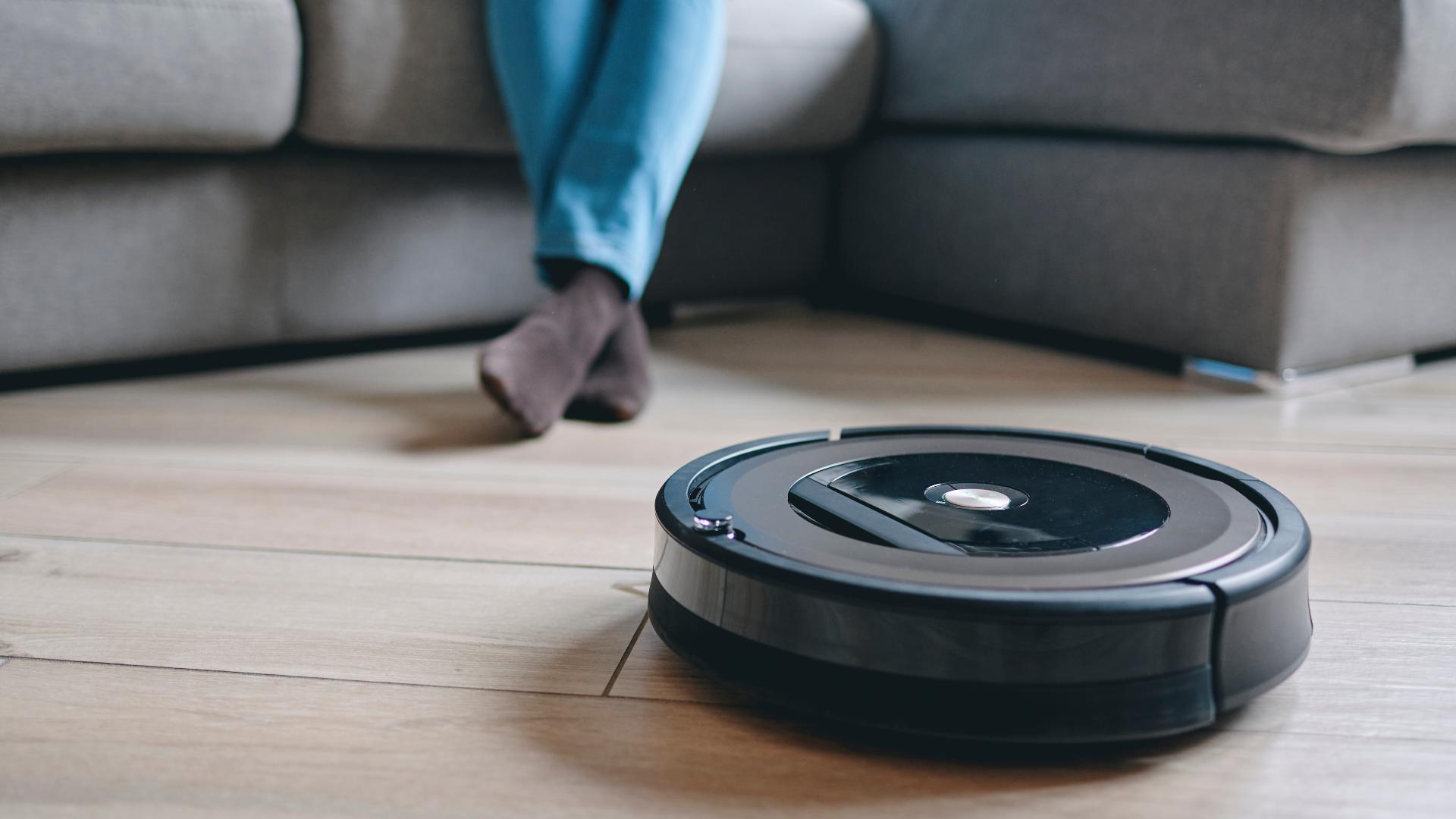
Over the years, Roomba devices have evolved far beyond simple floor-cleaning machines. Modern models are equipped with advanced sensors, cameras, LiDAR technology, wireless connectivity, and AI-powered software that enables them to map homes, recognize furniture, avoid obstacles, and adapt to users’ cleaning habits. Many can be controlled through smartphone apps or voice assistants and are capable of generating detailed floor plans that allow users to customize cleaning routines for individual rooms.
These technological advancements have made robotic vacuums more efficient and convenient, but they have also attracted increasing attention from regulators concerned about cybersecurity and data privacy. As connected home devices become more sophisticated, questions have emerged about how the data they collect is stored, processed, and protected.
Robot vacuums, in particular, have access to unique types of information. By navigating through homes, they can create highly detailed maps of indoor spaces and, in some models, capture images or detect objects to improve navigation. While manufacturers argue that these features enhance performance and user experience, regulators have increasingly examined whether such capabilities could present security risks if data were to be accessed improperly or transferred to unauthorized parties.
The FCC has, in recent years, expanded its focus beyond traditional telecommunications equipment to include a broader range of connected technologies. As smart home products become more deeply integrated into everyday life, the agency has emphasized the importance of ensuring that devices connected to U.S. communications networks meet strict security and regulatory standards.
The decision involving future Roomba models reflects this broader regulatory approach. Although the FCC’s action specifically targets future product approvals rather than existing devices, it signals a growing willingness by U.S. authorities to scrutinize consumer electronics that combine wireless communication with advanced data collection capabilities.
For the manufacturer, the ban could have significant commercial implications. The United States has long been one of the company’s largest and most profitable markets, with millions of households relying on Roomba products for automated cleaning. Losing access to future sales in the country could affect revenue, research and development investments, and the company’s competitive position within the rapidly expanding consumer robotics industry.
The company has expressed disappointment over the FCC’s decision and indicated that it is evaluating its options. Executives maintain that the company’s products are designed with security and customer privacy in mind and comply with applicable industry standards. They have also emphasized their commitment to protecting customer data and ensuring that users remain in control of the information generated by their devices.
Industry analysts believe the decision could reshape the competitive landscape for robotic vacuum manufacturers in the United States. Rival brands may see an opportunity to capture customers who would otherwise have upgraded to newer Roomba models. At the same time, manufacturers across the smart home industry are likely to face increased pressure to demonstrate stronger cybersecurity protections and greater transparency regarding data handling practices.
The impact of the ruling may extend beyond robotic vacuum cleaners. Smart home devices such as connected cameras, thermostats, speakers, lighting systems, and home assistants increasingly rely on wireless communication and cloud-based services. As regulators strengthen oversight of connected technologies, companies developing these products may need to invest more heavily in security features, local data processing, and compliance with evolving government requirements.
Experts say the decision also highlights the growing overlap between technology policy, cybersecurity, and national security. Governments around the world have become increasingly cautious about connected devices capable of collecting large amounts of information from users and their homes. As artificial intelligence enables these products to become more intelligent and autonomous, regulatory scrutiny is expected to continue increasing.
For consumers, the immediate effects are relatively limited. Existing Roomba owners are not required to stop using their devices, and customer support for previously approved models is expected to continue. However, buyers hoping to purchase next-generation Roomba products in the future may find those options unavailable if the current restrictions remain in place.
The robotics industry has experienced rapid growth over the past decade, driven by advances in AI, machine learning, computer vision, and sensor technology. What began with automated vacuum cleaners has expanded into robotic lawn mowers, pool cleaners, warehouse robots, delivery machines, and even home assistants capable of performing increasingly complex tasks. As these technologies continue to evolve, governments are expected to introduce more comprehensive regulations governing their safety, security, and data practices.
For manufacturers, this changing regulatory environment presents both challenges and opportunities. Companies that can demonstrate strong cybersecurity protections, transparent data policies, and compliance with government standards may gain a competitive advantage as consumers become more aware of privacy concerns associated with connected devices.
The FCC’s decision marks a pivotal moment for the smart home industry, underscoring that innovation alone is no longer enough to guarantee market access. As connected technologies become central to daily life, regulators are placing greater emphasis on ensuring that these devices meet increasingly stringent standards for security, privacy, and trust.
Whether the company behind Roomba can successfully address the FCC’s concerns remains to be seen. In the meantime, the ruling serves as a reminder that the future of consumer robotics will depend not only on technological advancement but also on the ability of manufacturers to satisfy growing regulatory expectations in an increasingly interconnected world.