In a landmark decision, the British government has given the green light to a highly controversial plan to construct a $3.2 billion tunnel near the historic site of Stonehenge. The proposal, which has been a subject of intense debate for years, aims to address traffic congestion and enhance the preservation of the iconic UNESCO World Heritage Site.
The approved plan envisions a 2.9-mile (4.6-kilometer) dual-carriageway tunnel that will divert traffic away from the A303 road, which currently runs just a stone’s throw away from the ancient stone circle. The road has long been notorious for heavy traffic, causing significant disruptions for tourists and commuters alike while posing threats to the archaeological integrity of the ancient monument.
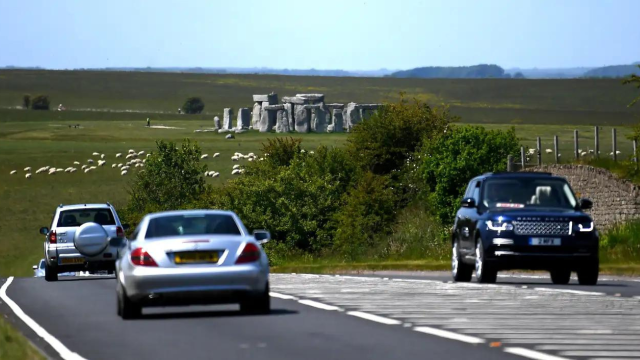
Proponents of the tunnel argue that it will not only alleviate traffic congestion but also protect the historical significance of Stonehenge. By rerouting the busy thoroughfare underground, the visual impact on the landscape will be minimized, allowing visitors to experience the mystical site without the distracting presence of passing vehicles.
However, the project has faced vehement opposition from environmentalists, archaeologists, and some local communities. Concerns have been raised over potential damage to the area’s delicate ecosystem, including the risk of disturbing undiscovered archaeological treasures buried beneath the ground.
Critics argue that the tunnel’s length and scale could jeopardize the site’s integrity and historical context, which dates back over 4,500 years. They fear that construction activities may unearth or damage ancient artifacts, altering the understanding of Stonehenge’s cultural and historical significance.
To address these concerns, the UK government has pledged to collaborate closely with experts in archaeology and environmental conservation. A comprehensive mitigation strategy will be implemented to safeguard the site throughout the construction process. Measures such as continuous monitoring and preservation plans will be put in place to ensure that the project is carried out with utmost sensitivity to the site’s unique heritage.
As the plan moves forward, it is likely that both supporters and opponents will continue to voice their opinions, as the balance between modern development and preservation of historical landmarks remains a delicate and contentious issue. Nevertheless, the government’s approval marks a significant step in the ongoing efforts to enhance the accessibility and conservation of one of the world’s most cherished cultural treasures – Stonehenge.