
In a stunning turn of events, once high-flying co-working space provider WeWork is now facing the grim possibility of bankruptcy after its valuation plummeted from a peak of $40 billion to a precarious ‘going concern’ status. The company’s downward spiral serves as a cautionary tale about the perils of overvaluation and unchecked growth in the tech industry.
WeWork’s meteoric rise to prominence seemed unstoppable just a few years ago. The company, founded in 2010, promised to revolutionize the way people work by offering flexible, communal office spaces tailored to freelancers, startups, and even established corporations. Its charismatic co-founder and former CEO, Adam Neumann, projected an aura of innovation that attracted massive investments and propelled the company to extraordinary heights.
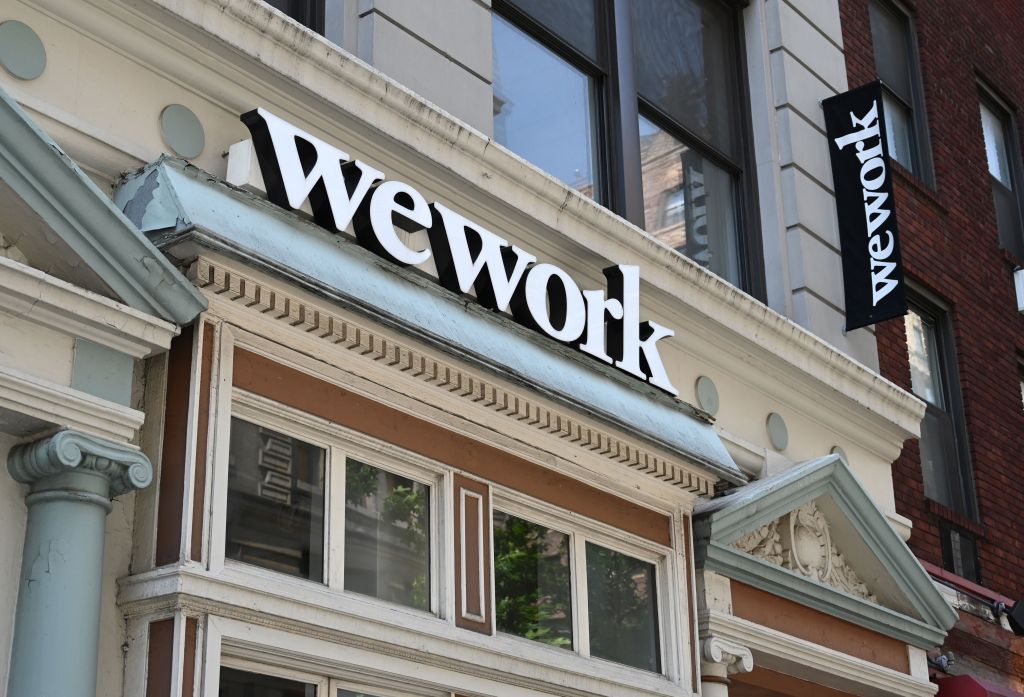
However, WeWork’s expansion was fueled by an unsustainable business model and an aggressive spending spree. The company leased numerous properties in prime locations around the world, often taking on long-term financial commitments that outweighed its short-term revenues. Critics argued that the valuation of the company had been artificially inflated and that its business fundamentals were weak.
The tipping point came in 2019 when WeWork filed for an initial public offering (IPO). The prospectus revealed staggering losses and a convoluted corporate structure that raised serious doubts among investors. The IPO attempt failed spectacularly, leading to the resignation of Adam Neumann and a sharp decline in the company’s valuation.
Since then, WeWork has been struggling to right the ship. The COVID-19 pandemic exacerbated its challenges as remote work became the norm, reducing demand for office spaces. WeWork’s occupancy rates plummeted, and it found itself locked into expensive leases with dwindling income.
Despite attempts to pivot and diversify its offerings, such as creating on-demand meeting spaces and co-living arrangements, WeWork’s financial woes persisted. Recent reports suggest that the company is grappling with debt and liquidity issues, and has been forced to seek additional funding to keep its operations afloat.
The warning of ‘going concern’ in WeWork’s recent financial statements is a dire signal that the company might not have sufficient resources to continue operating in the near future. This acknowledgment is often seen as a last resort measure taken by companies on the brink of bankruptcy.
WeWork’s troubles serve as a cautionary tale for the tech industry, underscoring the importance of maintaining sound business fundamentals and avoiding the pitfalls of rapid, unchecked growth. Investors are increasingly wary of companies that prioritize expansion over profitability, and the debacle surrounding WeWork’s valuation serves as a stark reminder that hype and valuation can be fleeting.
As WeWork grapples with its uncertain future, industry observers are closely watching to see if the company can pull off a remarkable turnaround or if it will become a cautionary tale for generations to come.