Apple’s M-series chips, known for their exceptional performance and energy efficiency, have already proven their mettle in devices like the MacBook Pro and the Mac Mini. Now, it appears that the tech giant is ready to introduce these powerful processors to the iPad Pro lineup. This shift could potentially elevate the tablet’s processing capabilities, making it a formidable contender for professionals seeking unparalleled performance in a portable device. According to inside sources, the renowned tech giant is planning to incorporate M3 chips and OLED screens into its next generation of iPad Pro devices.
The rumored M3 chips are expected to be custom-designed by Apple, employing the latest advancements in semiconductor technology. This move aligns with Apple’s strategy to rely less on external chip suppliers and exert more control over the design and manufacturing of its hardware components. The result could be a tablet that not only outperforms its predecessors but also redefines industry standards for tablet performance as a whole.
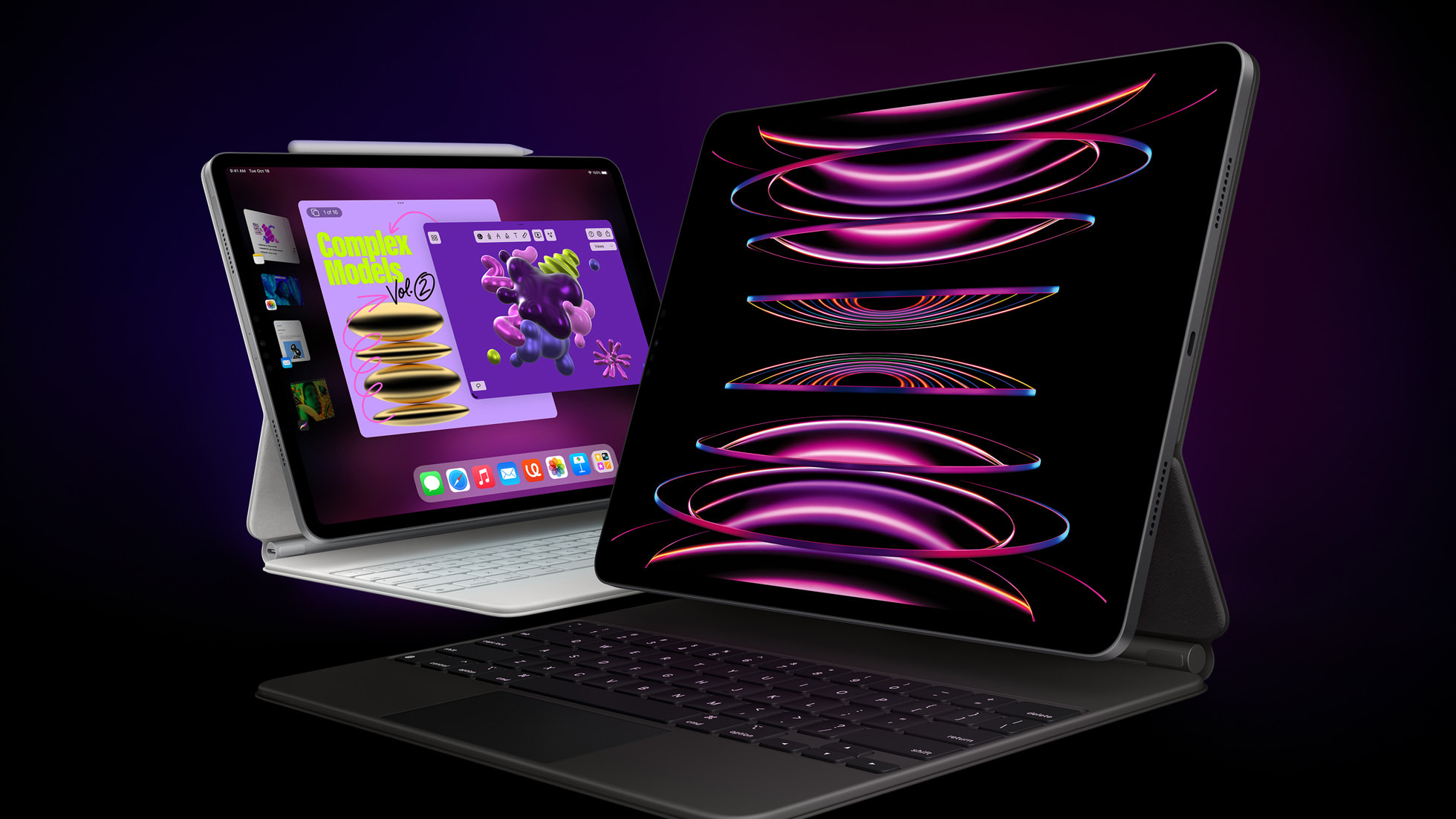
Another anticipated upgrade is the transition to OLED screens for the iPad Pro lineup. Organic Light Emitting Diode (OLED) displays are renowned for their vibrant colors, high contrast ratios, and energy efficiency. While Apple has already integrated OLED technology into its iPhone models, bringing it to the iPad Pro could potentially transform the tablet’s visual experience. Users can expect deeper blacks, more accurate color representation, and a sharper overall image quality compared to the existing LCD screens.
Furthermore, OLED screens enable a thinner and more lightweight design due to their reduced need for backlighting, which aligns with Apple’s continuous pursuit of sleeker and more elegant devices. However, it’s important to note that the incorporation of OLED screens could lead to changes in the device’s price point, as OLED technology is generally more expensive than LCD.
As the 2024 release date approaches, Apple enthusiasts and industry analysts are eagerly awaiting official announcements from the company regarding the iPad Pro upgrades. These potential enhancements mark a strategic move by Apple to retain its dominance in the tablet market and cater to the evolving demands of creative professionals, artists, and users who require top-tier performance on the go.
In the ever-evolving landscape of technology, Apple’s commitment to innovation and pushing boundaries remains steadfast. If the speculations hold true, the iPad Pro’s transition to M3 chips and OLED screens could be a game-changer, solidifying its position as the ultimate productivity and creativity tool in the tablet realm. As the anticipation builds, the tech world waits with bated breath to see how Apple will once again reshape the future of portable computing.