In a high-stakes showdown on Capitol Hill, two of the tech industry’s most influential figures, Elon Musk and Mark Zuckerberg, found themselves seated in close proximity as they faced a barrage of questions from U.S. lawmakers regarding the future of artificial intelligence (AI) and its potential societal impacts. The hearing, which took place today, marked a pivotal moment in the ongoing debate over AI regulation and ethics.
Musk, the visionary entrepreneur behind companies like SpaceX and Tesla, and Zuckerberg, the co-founder and CEO of Meta Platforms, Inc. (formerly Facebook), were among a panel of tech executives called to testify before the Senate Subcommittee on Technology and Innovation. The hearing aimed to explore the potential risks and benefits of AI, as well as the role of government in regulating this rapidly advancing technology.
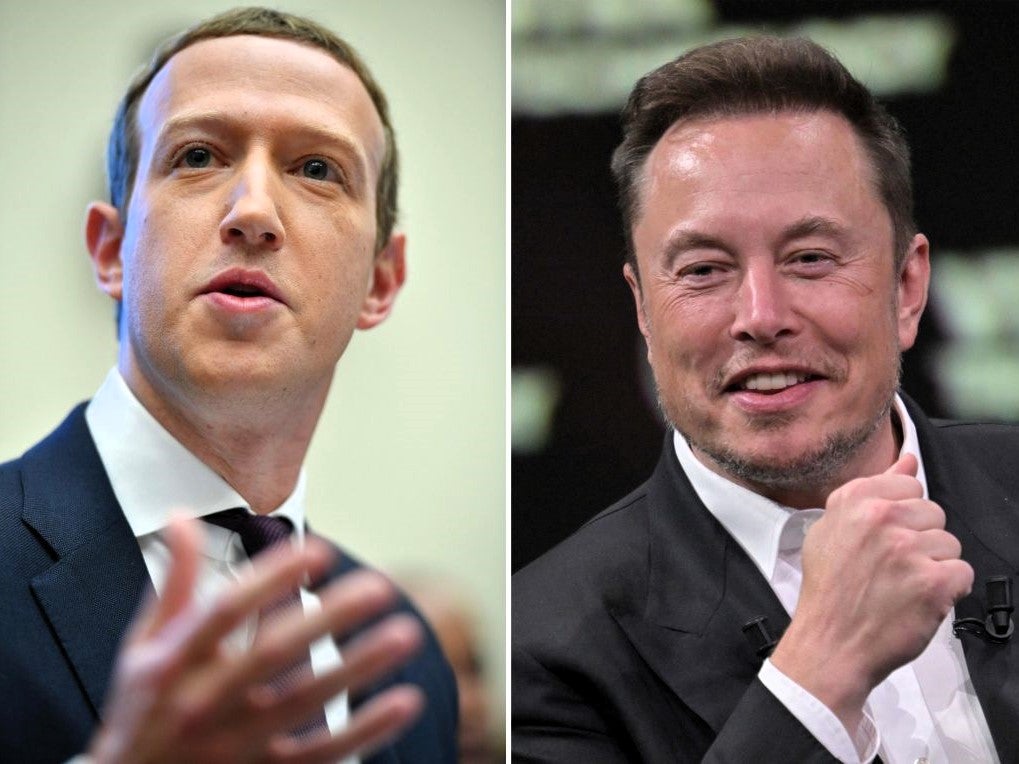
Both Musk and Zuckerberg, known for their differing views on AI, sat just a few seats apart, creating a visually compelling image that underscored the divergent perspectives within the tech industry.
Musk, who has been a vocal advocate for caution when it comes to AI development, emphasized the need for proactive regulation and warned of the potential dangers of unchecked AI systems. He stated, “Artificial intelligence has immense potential, but it also poses existential risks to humanity if left unregulated. We must act now to ensure AI serves the best interests of society.”
In contrast, Zuckerberg expressed a more optimistic outlook, highlighting the potential benefits of AI in areas such as healthcare, education, and autonomous vehicles. He acknowledged the importance of ethical considerations but argued against overregulation that might stifle innovation. “We should approach AI with a balanced perspective, addressing legitimate concerns while fostering innovation and economic growth,” he said during the hearing.
The hearing covered a wide range of topics, including algorithmic bias, data privacy, autonomous weapons, and job displacement due to automation. Lawmakers posed tough questions to all the tech executives present, pushing for transparency and accountability in AI development.
The event drew significant attention not only for the high-profile witnesses but also for the broader implications it has on the future of AI regulation. With AI technology becoming increasingly integrated into various aspects of daily life, concerns about its ethical use, bias, and potential harms have gained prominence.
As the hearing concluded, it was clear that the debate surrounding AI regulation remains complex and multifaceted. Lawmakers expressed their commitment to striking the right balance between fostering innovation and safeguarding society’s interests.
The presence of Musk and Zuckerberg side by side served as a vivid reminder of the competing visions within the tech industry regarding AI’s future. While the two may have divergent views, their testimony, along with that of other tech leaders, will play a pivotal role in shaping the legislative landscape for AI in the United States.
As the world grapples with the transformative power of artificial intelligence, this high-profile hearing has ignited discussions about the responsibilities and potential consequences that come with steering the course of AI development. The tech industry and its leaders will continue to be at the forefront of these critical conversations as society navigates the AI revolution.