

The United Kingdom is on the brink of a recession, according to the latest economic analysis, raising concerns about the nation’s financial stability and the challenges it may face in the coming months. As the world grapples with the aftershocks of the COVID-19 pandemic and various global economic pressures, the UK finds itself at a critical juncture.
Economic experts and analysts have been closely monitoring the situation, and the prevailing sentiment indicates that a recession may be on the horizon. Several factors contribute to this pessimistic outlook.
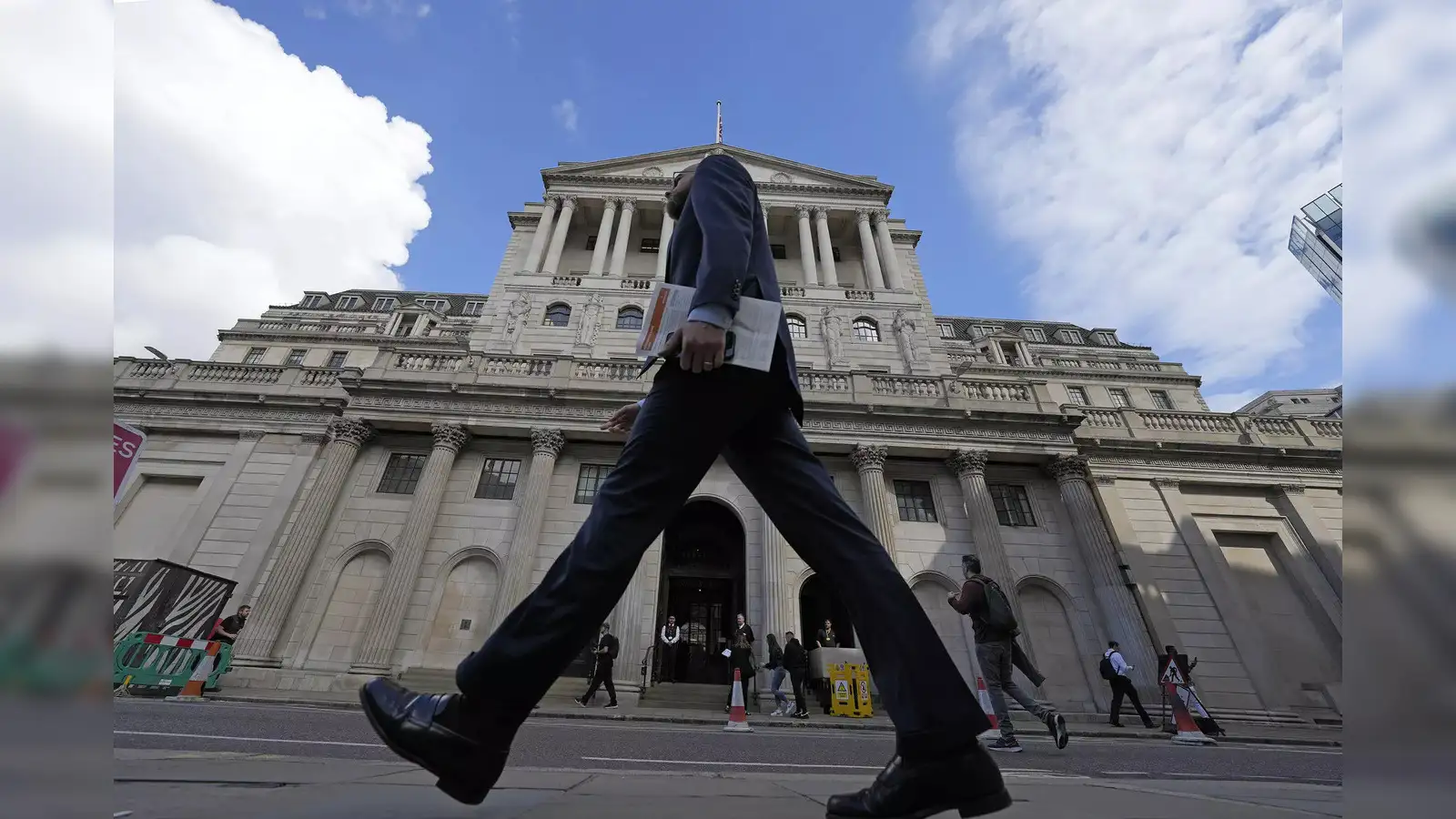
One of the primary contributors to the gloomy economic landscape is inflation, which has surged to multi-year highs. Rising energy prices, supply chain disruptions, and the cost of living have all played a role in this inflationary pressure. The Bank of England’s Governor, Andrew Bailey, recently acknowledged the seriousness of the situation, describing it as a “difficult period.”
Consumer confidence is also waning as households grapple with the escalating cost of essential goods and services. Many Britons are feeling the pinch as their purchasing power diminishes. This could lead to reduced spending, further impacting economic growth.
The labor market, once a source of strength for the UK economy, is showing signs of weakness. Job creation has slowed, and concerns about rising unemployment are mounting. The furlough scheme, which provided a lifeline to many during the pandemic, has come to an end, adding to the uncertainty.
Global factors are also contributing to the UK’s economic woes. The ongoing supply chain disruptions and the potential for further international economic turbulence, such as trade disputes and the energy crisis, could have a profound impact on the British economy, which relies heavily on international trade.
Analysts suggest that the looming possibility of an interest rate hike by the Bank of England adds another layer of complexity. While raising interest rates is a tool to combat inflation, it could also dampen investment and economic growth.
The housing market, traditionally a pillar of the UK economy, is also exhibiting signs of cooling. Skyrocketing house prices and tighter lending criteria have deterred potential buyers and sellers, potentially leading to a slowdown in property transactions.

Despite these worrisome signs, it’s essential to note that a recession is not inevitable, and economic forecasts can change rapidly. The UK government and the Bank of England have various tools at their disposal to mitigate the impact of a recession, and policymakers are closely monitoring the situation.
In response to the analysis and economic challenges, Chancellor Rishi Sunak has indicated that the government is prepared to take action. Measures such as targeted financial support for businesses and individuals, as well as stimulus packages, may be on the horizon to counteract the economic headwinds.
Ultimately, the economic fate of the UK hangs in the balance, and the nation’s policymakers will play a critical role in shaping the country’s financial future. As the nation grapples with inflation, weakening consumer confidence, and potential global economic challenges, a recession remains a very real possibility, casting a shadow of uncertainty over the UK’s economic landscape.









