In a stunning turn of events, SoftBank’s WeWork, once considered the poster child of the co-working industry and the most valuable startup in the United States, has filed for bankruptcy. This marks the end of a meteoric rise and a subsequent precipitous fall that has left investors and the business world in shock.
WeWork, known for its shared office spaces and a valuation that once reached $47 billion, has been struggling with financial instability for several years. The COVID-19 pandemic severely impacted the company as businesses opted for remote work, leading to a drop in demand for office space. Additionally, WeWork’s much-criticized corporate governance and business model came under scrutiny, contributing to its downfall.
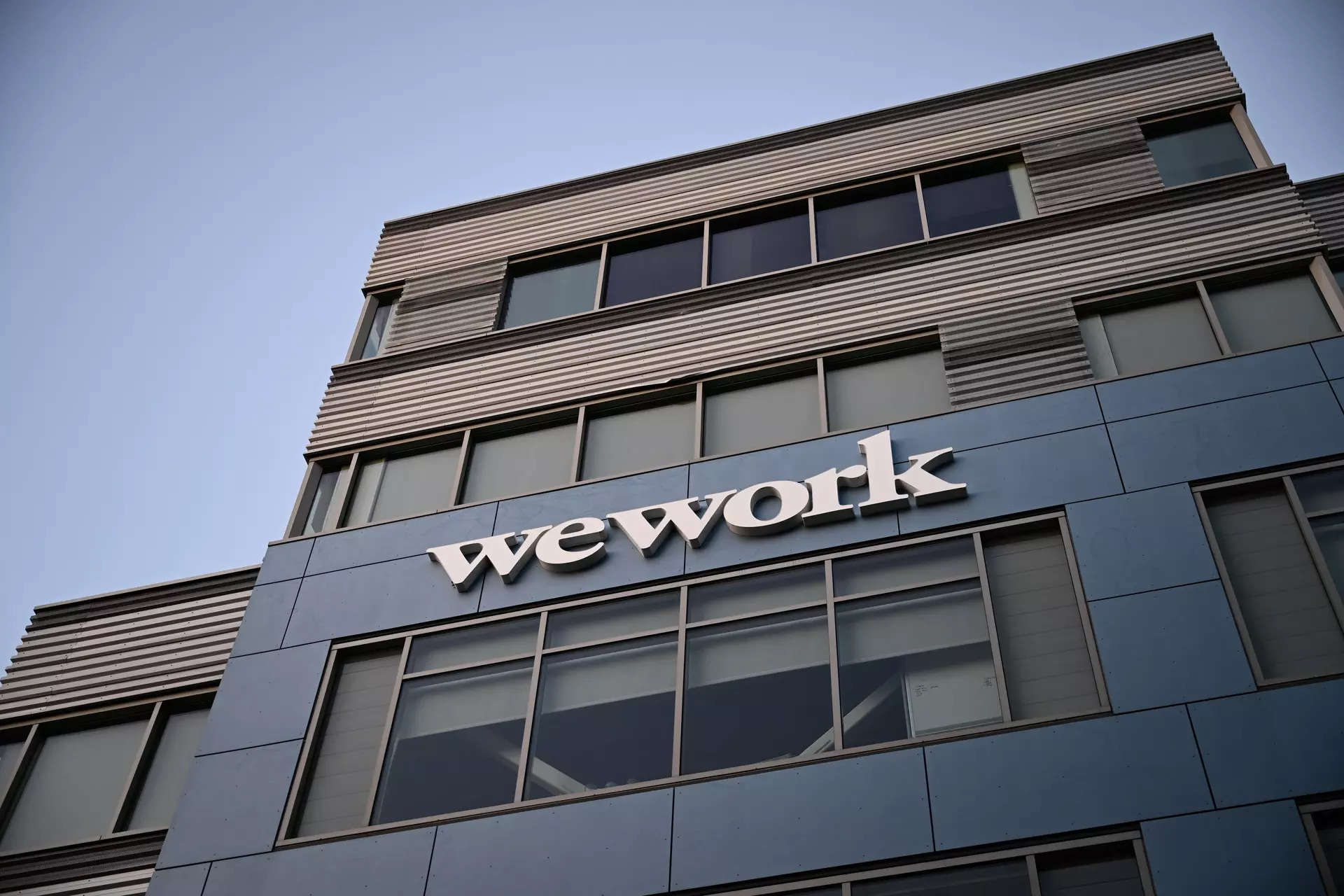
The bankruptcy filing, made in the Southern District of New York, listed total liabilities of approximately $13.2 billion, which includes both secured and unsecured debts. SoftBank, WeWork’s largest investor and staunch supporter, is expected to face significant losses. SoftBank had poured billions of dollars into WeWork, and this bankruptcy marks a substantial blow to the Japanese conglomerate’s investment portfolio.
SoftBank had invested $18.5 billion into WeWork to take control of the company in 2019 and subsequently tried to salvage its investment, including ousting founder and former CEO Adam Neumann. SoftBank’s involvement has been marked by controversy and a series of financial struggles for the co-working giant.

The bankruptcy filing reveals that WeWork has reached an agreement with a group of its largest creditors to restructure the company’s debt and operations. A $5 billion financing package has been secured from these creditors to support WeWork during the bankruptcy process and potentially help the company continue its operations in a scaled-down capacity.
As part of the restructuring plan, WeWork will undergo a significant downsizing, shedding underperforming locations and trimming its workforce. The company will also focus on optimizing its business model and profitability. The former high-flying startup aims to emerge from bankruptcy as a leaner, more sustainable business.
The downfall of WeWork serves as a cautionary tale for the tech and startup world. It underscores the importance of prudent financial management and governance, even for unicorns that appear unstoppable during their early growth phases. WeWork’s bankruptcy is likely to reverberate throughout the startup and investment communities, with increased scrutiny on valuations and the sustainability of business models.
While WeWork’s future remains uncertain, the co-working industry itself has evolved in response to changing market dynamics and remote work trends. Competitors have risen to prominence, and some have even benefited from the pandemic’s transformation of work patterns.
WeWork’s bankruptcy filing is a reminder that no company, regardless of its valuation or hype, is immune to financial challenges. It is a stark reminder that maintaining financial prudence and sound business practices are crucial for any business’s long-term survival in today’s rapidly changing economic landscape.