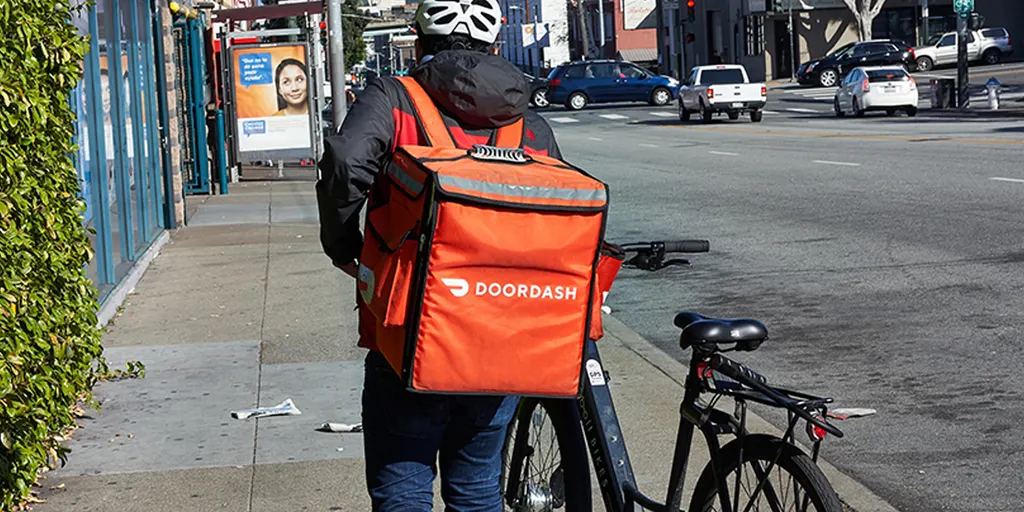
As food delivery services have surged in popularity, companies like DoorDash have become household names. However, a recent statement by the United Nations has brought to light a growing concern regarding the treatment of DoorDash drivers. The issue at hand is their meager earnings, which the UN has labeled as a human rights issue, raising questions about the treatment of gig workers in the modern digital economy.
The United Nations Speaks Out
In a report released earlier this week, the United Nations highlighted the dire financial conditions many DoorDash drivers face. The report focuses on the exploitative labor practices that have emerged within the gig economy, as companies increasingly rely on independent contractors to perform essential services.

“Workers who provide critical services such as food delivery are struggling to make ends meet due to low wages and a lack of job security,” said UN Special Rapporteur on Extreme Poverty and Human Rights, Philip Alston. He pointed out that despite the convenience these services bring to consumers, drivers are often left struggling to afford basic necessities, such as housing, healthcare, and food.
The Gig Economy’s Dark Side
The gig economy, characterized by its reliance on independent contractors, has grown rapidly in recent years. While it offers flexibility to workers, it often comes at the cost of job security, social protections, and, as the UN report highlights, fair wages.
DoorDash, like other platforms in the gig economy, classifies its drivers as independent contractors. This classification exempts them from many of the labor protections and benefits that traditional employees enjoy, including minimum wage guarantees and overtime pay. DoorDash drivers typically earn money based on the number of deliveries they complete, with the majority of their income coming from customer tips.
The Tip Credit Controversy
One of the major issues outlined in the UN report is the way DoorDash calculates driver compensation, which includes the controversial practice of tip credits. This system allows DoorDash to pay drivers a lower base wage under the assumption that they will make up the difference through customer tips.
Critics argue that this practice effectively shifts the burden of fair compensation onto customers, who may be unaware that their tips are being used to subsidize drivers’ wages. This results in unpredictable and often insufficient earnings for drivers.
The DoorDash Response
In response to the UN’s report, DoorDash has defended its compensation practices, stating that their drivers have the potential to earn more than minimum wage when combining base pay, tips, and bonuses. They also highlighted the flexibility and earning potential of the gig economy.
However, advocacy groups and drivers themselves argue that the lack of transparency in pay structures and the uncertainty of income make it difficult for drivers to sustain a decent standard of living.
A Call for Reform
The UN’s report on DoorDash’s labor practices underscores the urgent need for reform in the gig economy. It calls on governments and policymakers to address the issue of inadequate wages and lack of job security for gig workers.
As the gig economy continues to grow and evolve, this UN declaration raises important questions about the rights and dignity of workers in the digital age. It remains to be seen whether the international attention will lead to changes in labor practices within the industry, ultimately ensuring that those providing essential services are treated fairly and with the respect they deserve.