


In a bold and unprecedented move, electric vehicle pioneer Tesla has once again stirred controversy by threatening legal action against Cybertruck buyers attempting to resell their vehicles. The company’s CEO, Elon Musk, known for his assertive stance on various matters, reiterated Tesla’s strict policy on reselling its products and warned that legal consequences await those who attempt to circumvent it.
The threat comes as Tesla faces challenges in controlling the resale market for its highly anticipated Cybertruck, which has garnered immense attention since its unveiling. The futuristic, angular electric pickup has attracted a dedicated fan base, and some early buyers have reportedly sought to capitalize on the demand by listing their pre-order slots or reselling their Cybertrucks at a premium.
In a series of tweets on Musk’s official Twitter account, the billionaire entrepreneur stated, “Tesla will take legal action against those who resell their Cybertrucks at prices significantly above the original purchase price. Our terms explicitly state that resale price gouging is not allowed. This is to ensure a fair distribution and pricing for all our customers.”
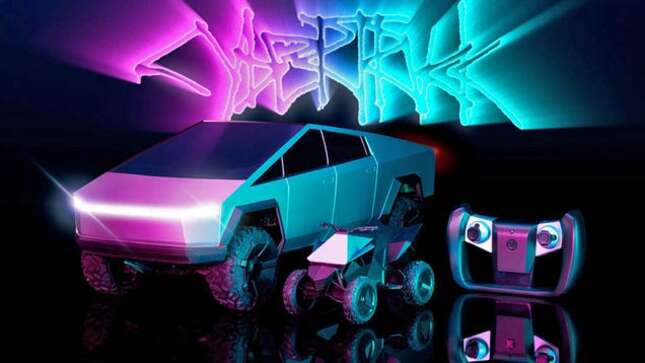
Tesla’s terms and conditions for vehicle purchases have long included clauses preventing buyers from engaging in speculative behavior or profiteering by reselling their vehicles at exorbitant prices. Musk’s recent warnings, however, signal a renewed emphasis on enforcing these policies, particularly in the case of the highly anticipated Cybertruck.
The legal threat has elicited mixed reactions from Tesla customers and industry observers. Some argue that Tesla is within its rights to protect the integrity of its pricing model and ensure fair access to its vehicles for genuine customers. Others, however, express concerns about the implications of such strong-armed tactics and question the enforceability of these measures.
Legal experts weigh in on the matter, pointing out that enforcing resale price restrictions can be challenging and may raise questions about antitrust laws and consumer rights. While companies typically have the right to set their own terms of sale, there is ongoing debate about the extent to which these terms can be enforced after a product has been legally purchased.

Tesla’s threat to take legal action against Cybertruck resellers adds another layer to the ongoing dialogue surrounding the intersection of technology, consumer rights, and corporate control. As the electric vehicle market continues to evolve, Tesla’s assertive approach in this matter is sure to spark discussions about the boundaries of corporate authority and the implications for buyers in the burgeoning electric vehicle landscape.









