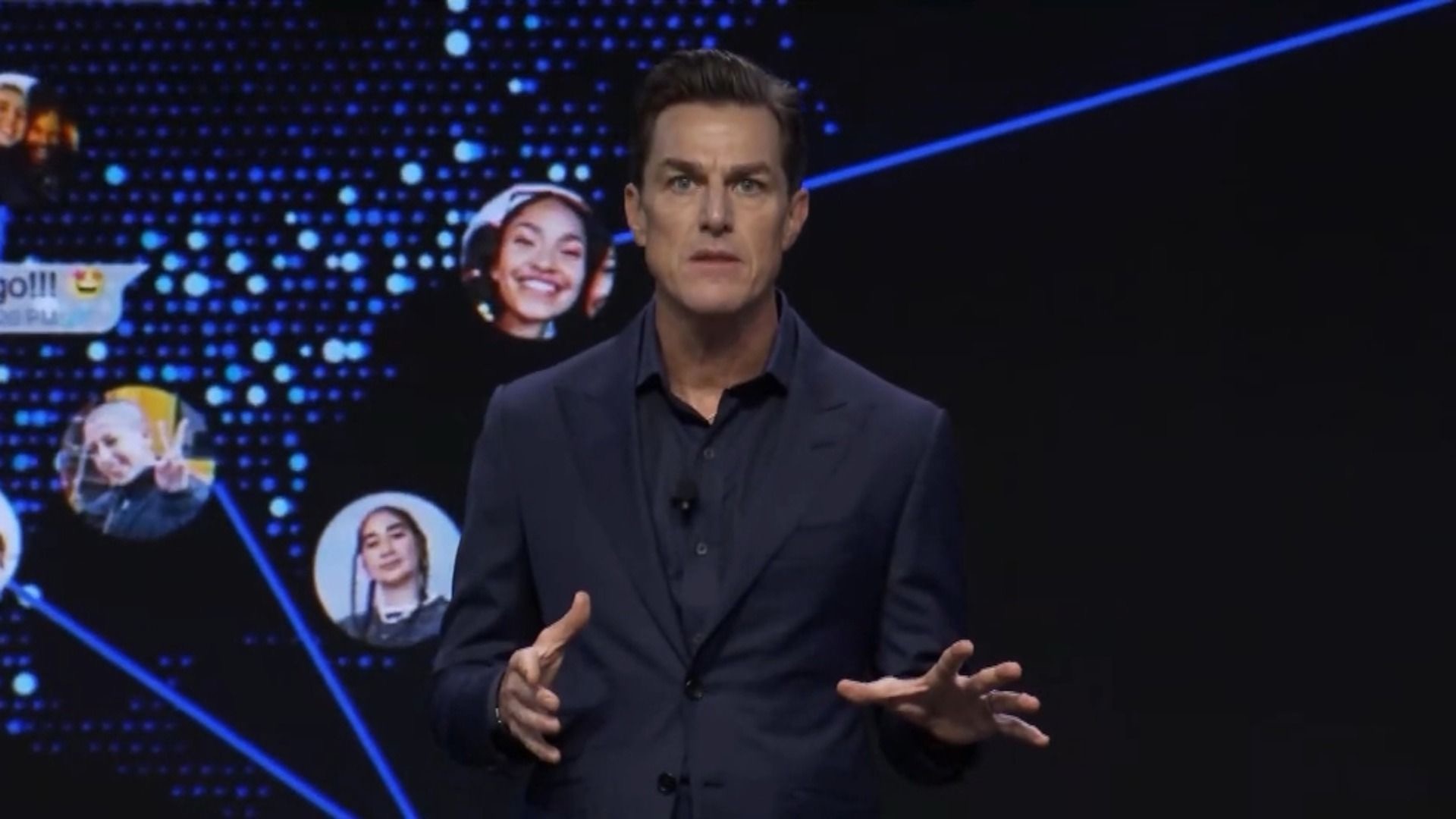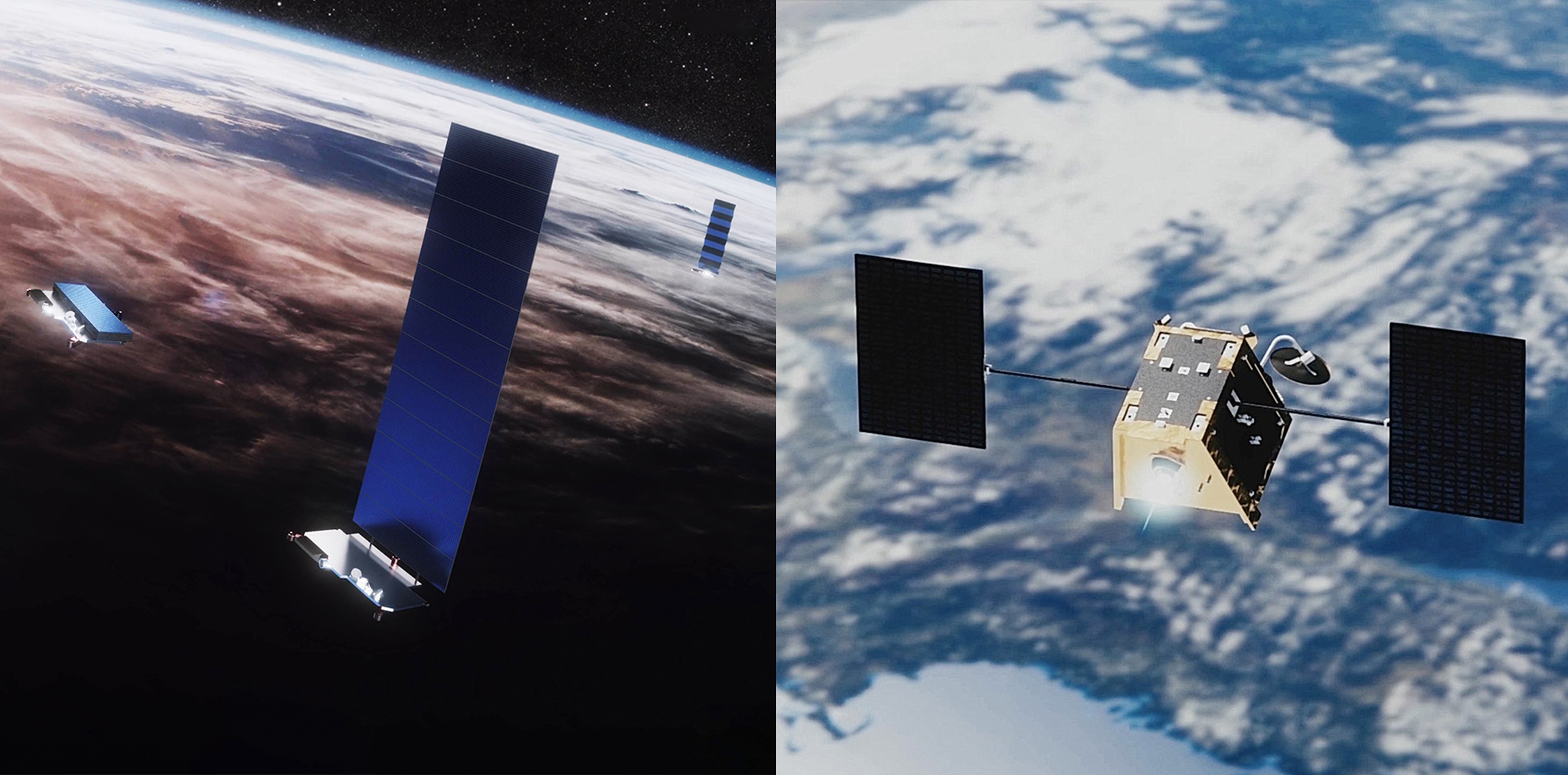
In a groundbreaking move to expand global internet coverage, Elon Musk’s SpaceX has successfully launched a fleet of ‘Direct to Cell Phones’ Starlink satellites. The ambitious project aims to provide high-speed, low-latency internet directly to mobile devices, bridging connectivity gaps in remote and underserved areas around the world.
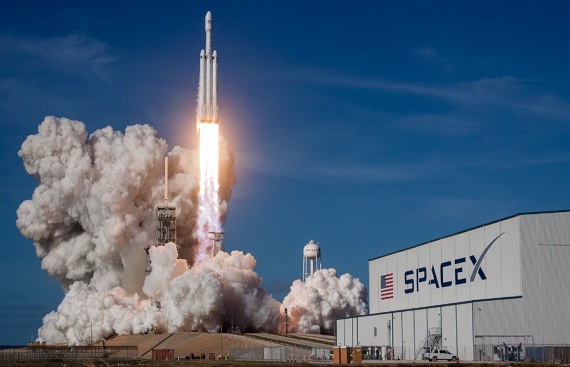
The deployment took place from SpaceX’s Cape Canaveral launch site in Florida. A Falcon 9 rocket carried a payload of Starlink satellites into orbit, each equipped with advanced technology to enable seamless connectivity directly to cell phones without the need for additional hardware or traditional ground-based infrastructure.
Elon Musk, SpaceX’s CEO, took to Twitter to share his excitement about the achievement, stating, “Launching Starlink satellites that connect directly to cell phones! Global coverage for everyone, no matter where you are. The future is here.”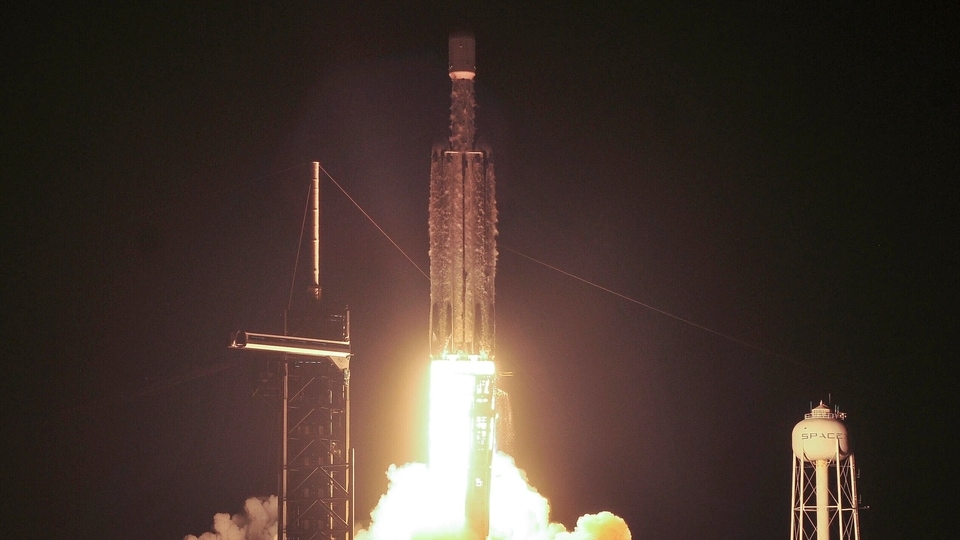
The ‘Direct to Cell Phones’ Starlink satellites represent a significant advancement in SpaceX’s mission to provide global broadband internet coverage. Traditional satellite internet services often require users to install satellite dishes or receivers on the ground. However, the new Starlink technology aims to simplify the user experience, enabling anyone with a cell phone to access the internet from virtually anywhere on the planet.
The innovative approach relies on a combination of satellite-to-satellite communication and advanced ground-based stations, creating a dynamic network that can adapt to the varying needs of users in different locations. This technology not only promises to connect remote areas but also to enhance internet connectivity in urban centers where traditional infrastructure may be strained.
SpaceX has been steadily expanding its Starlink satellite constellation, with thousands of satellites already in orbit and plans for further launches in the coming years. The company envisions a global network that can provide high-speed, low-latency internet services to users across the globe, ultimately closing the digital divide.
Experts in the telecommunications industry have praised the ‘Direct to Cell Phones’ Starlink satellites as a game-changer, anticipating that the technology could revolutionize the way people access the internet, particularly in regions with limited infrastructure.
The move aligns with Elon Musk’s broader vision of advancing technology to improve the quality of life for people worldwide. As the project continues to unfold, the impact of ‘Direct to Cell Phones’ Starlink satellites on global connectivity and communication is expected to be profound, opening up new possibilities for education, commerce, and social interaction in even the most remote corners of the Earth.