In a groundbreaking development, the United States antitrust case against Apple’s App Store exclusivity is gaining momentum, with legal proceedings described as ‘firing on all cylinders.’ The tech giant is facing intense scrutiny over allegations of anticompetitive behavior, with regulators and competitors arguing that Apple’s tight control over its App Store stifles competition and harms consumers.
The case, which has been brewing for several months, centers around Apple’s alleged monopolistic practices in its App Store, where the company mandates the use of its payment system and charges a 30% commission on digital goods and services. Critics argue that this stifles innovation, limits consumer choice, and results in higher prices for both developers and consumers.
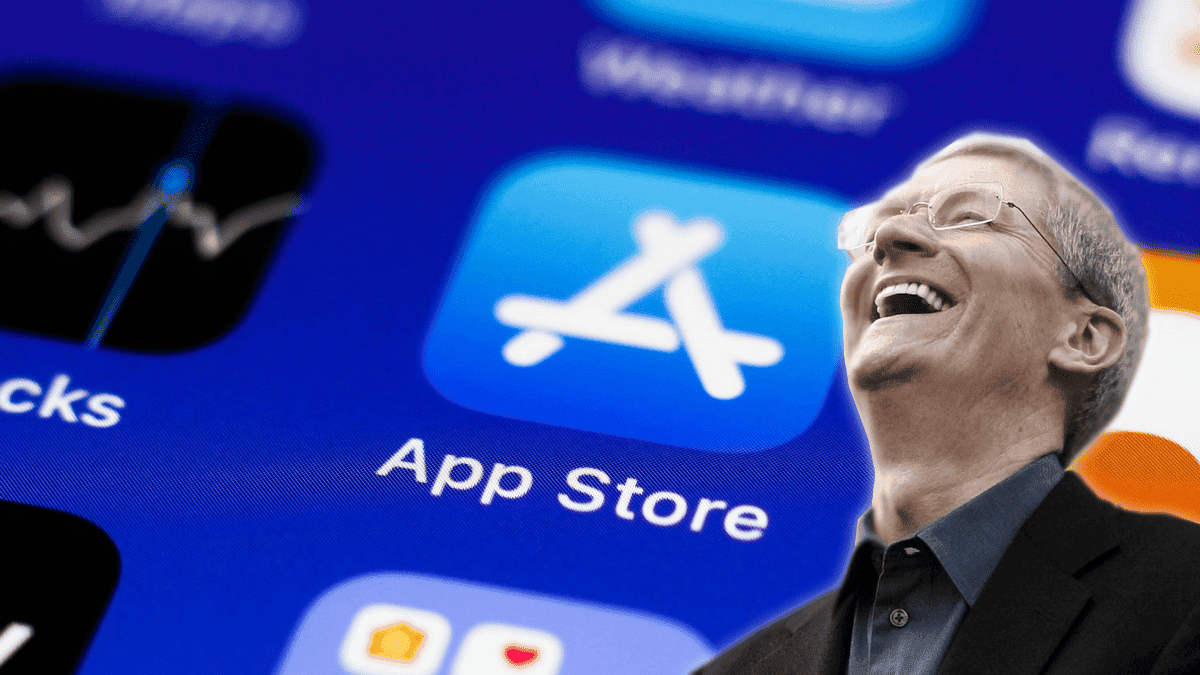
The lawsuit was initiated by a coalition of app developers who have long claimed that Apple’s practices create an uneven playing field, particularly for smaller developers who struggle to absorb the hefty commission fees. The case has garnered significant attention from both the tech industry and legal experts, with many seeing it as a pivotal moment that could reshape the landscape of app distribution and digital commerce.
Legal experts suggest that the antitrust case against Apple is ‘firing on all cylinders’ due to the comprehensive nature of the arguments presented. The plaintiffs are backed by extensive evidence, including internal documents that allegedly reveal Apple’s deliberate strategies to eliminate competition and maintain a stranglehold on the App Store ecosystem.
One key point of contention is Apple’s insistence on exclusive distribution through the App Store for iOS devices, shutting out alternative app marketplaces. Critics argue that this exclusivity creates an unfair advantage for Apple’s own apps and services, preventing users from exploring potentially superior or more affordable alternatives.

Apple, on its part, maintains that its App Store policies are designed to ensure the security and quality of apps while providing a seamless experience for users. The company argues that the 30% commission is a standard industry practice and helps fund the maintenance and improvement of the App Store.
The antitrust case has drawn the attention of lawmakers, with some proposing legislative changes to address the broader issue of Big Tech dominance. The outcome of this case may have far-reaching implications for the entire tech industry, setting a precedent for how app marketplaces operate and potentially reshaping the relationship between platform owners and developers.
As the legal battle intensifies, the tech world watches closely, anticipating the potential ripple effects that a verdict against Apple could have on the broader landscape of digital commerce and competition. The outcome of this case could redefine the rules of engagement for tech giants, prompting a reevaluation of their business practices and ushering in a new era of competition and innovation.