
In a surprising turn of events, Apple has reportedly halted the development of its much-anticipated foldable iPhones, dealing a setback to the company’s ambitions in the rapidly evolving smartphone market. Citing internal sources, industry insiders suggest that Apple’s decision is rooted in a combination of technological challenges and a strategic reassessment of market demand.
The foldable iPhone project, which had been in the works for several years, aimed to capitalize on the growing trend of foldable smartphones in the industry. Competitors such as Samsung and Huawei have already introduced foldable devices, sparking speculation about when Apple would join the foldable phone market.
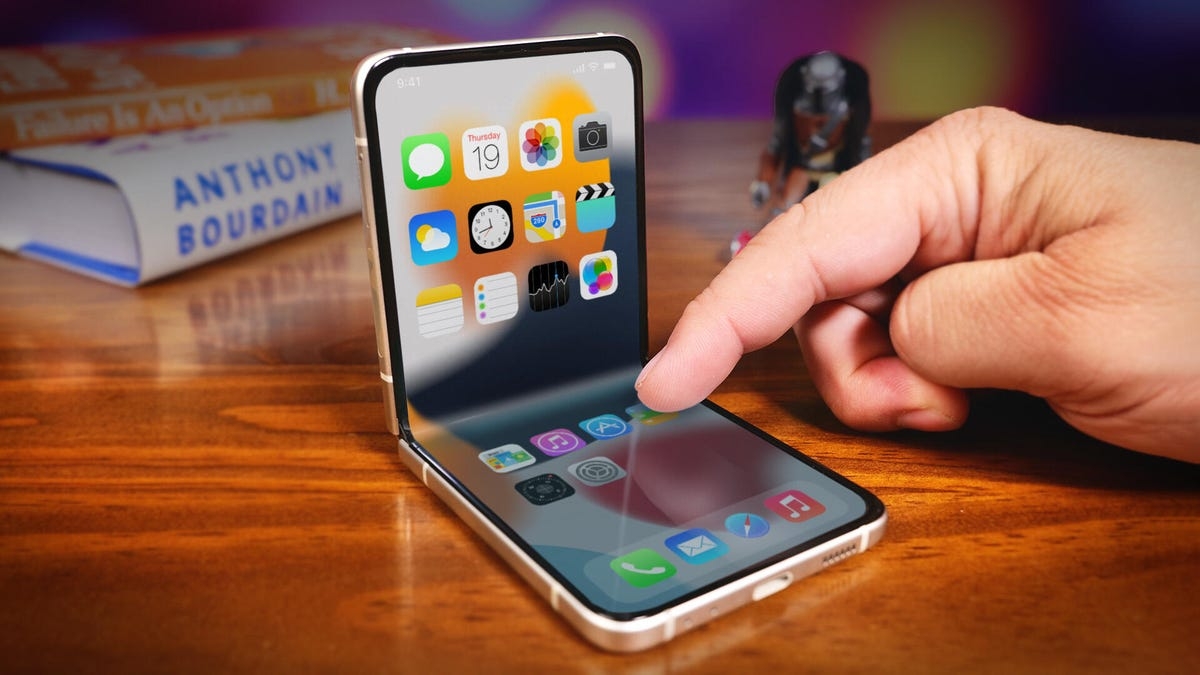
However, sources close to the matter reveal that Apple has encountered significant hurdles in perfecting the foldable technology for its iPhones. Technical issues, including concerns about the durability of foldable displays and the overall user experience, have reportedly led Apple to reconsider the feasibility of launching a foldable iPhone in the near future.
Additionally, market dynamics and consumer preferences may have played a role in Apple’s decision to halt development. With a robust lineup of traditional iPhones and other popular products, Apple might be taking a cautious approach, ensuring that any new product aligns with customer expectations and delivers a seamless experience.
Industry analysts suggest that Apple’s decision to step back from foldable iPhones could be strategic, allowing the company to observe and learn from the experiences of competitors in the foldable smartphone market. By taking a measured approach, Apple may be positioning itself to enter the foldable phone market at a later stage with a more refined and technologically advanced product.

While Apple has not officially commented on the status of its foldable iPhone project, the news has sparked discussions among tech enthusiasts and industry watchers about the company’s future directions. Some believe that Apple’s focus on enhancing the capabilities of its existing devices and services, along with an emphasis on sustainability and environmental responsibility, may be influencing its product development priorities.
As the smartphone landscape continues to evolve, Apple’s decision to pause foldable iPhone development raises questions about the company’s next move. Will Apple return to the foldable phone arena with a groundbreaking product, or will the company shift its focus to other innovations in the ever-competitive tech industry? Only time will tell as Apple maintains its reputation for secrecy and surprises in the lead-up to future product announcements.