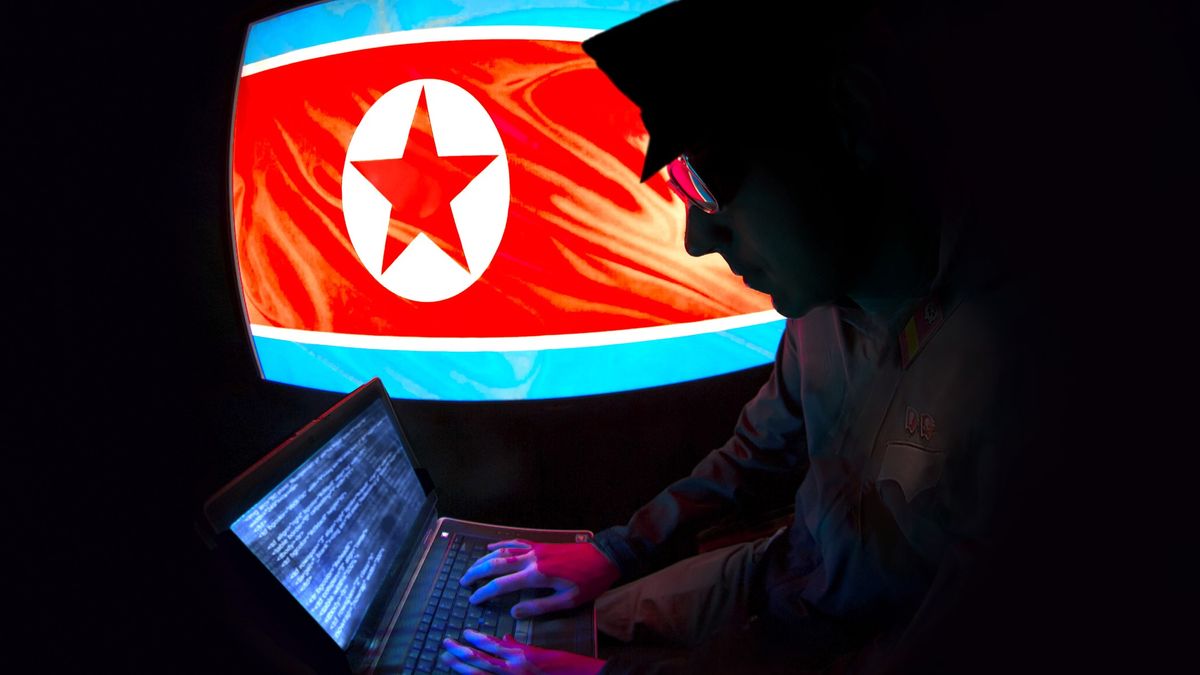
In a worrisome development, North Korean state-sponsored hackers have reportedly embraced artificial intelligence (AI) to enhance the intricacy and efficacy of their cyber scams, sparking heightened concerns within the global cybersecurity community. The integration of AI technologies into their malicious activities poses new challenges for defenders and underscores the pressing need for innovative cybersecurity solutions.
North Korea has long been associated with cyber warfare, engaging in a range of activities from financial theft to espionage on an international scale. The recent shift towards leveraging AI indicates a strategic move to stay at the forefront of technological advancements in the realm of cyber threats.

One of the primary advantages AI provides to North Korean hackers is the ability to create highly sophisticated and personalized scams. By utilizing machine learning algorithms, these cyber actors can analyze vast datasets to craft convincing phishing emails, messages, and even voice communications. The result is a more tailored and deceptive approach that increases the likelihood of successful infiltration.
Security analysts have identified an alarming trend in the use of AI-driven malware by North Korean hackers. This advanced malware can adapt and evolve its tactics dynamically, making it increasingly challenging for traditional cybersecurity measures to detect and neutralize the threats effectively. The integration of AI into their arsenal signifies a level of sophistication that demands a reevaluation of global cybersecurity strategies.
Governments and cybersecurity experts around the world are now urging heightened vigilance and the adoption of robust cybersecurity measures to counteract the evolving threats posed by North Korean hackers. Organizations are encouraged to invest in cutting-edge technologies, conduct regular cybersecurity training, and stay informed about the latest tactics employed by malicious actors.

The international community is also being called upon to strengthen collaborative efforts in sharing threat intelligence and coordinating responses to these emerging cyber threats. A unified front is essential to mitigating the risks posed by North Korean hackers’ utilization of AI, as their actions increasingly impact individuals, businesses, and critical infrastructure on a global scale.
As the cyber landscape continues to evolve, the integration of AI by North Korean hackers signifies a formidable challenge for cybersecurity professionals worldwide. The urgency to adapt and fortify defenses against these technologically advanced threats underscores the critical need for international cooperation in safeguarding the digital realm from malicious actors.