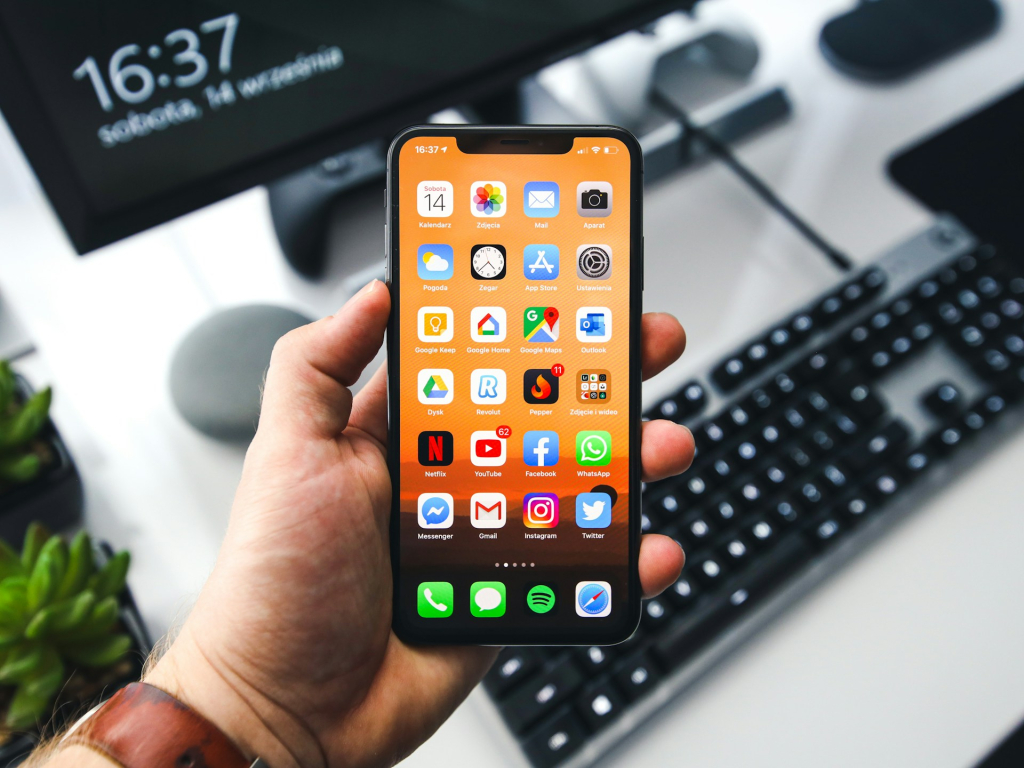
iPhone users are reporting a disturbing phenomenon following the latest iOS update: deleted photos, particularly sensitive ones, are mysteriously resurfacing on their devices. The unexpected reappearance of intimate images has left many users feeling violated and concerned about the privacy and security of their personal data.
The issue gained widespread attention after numerous reports surfaced on social media and online forums, with users expressing shock and frustration over the apparent glitch. According to affected individuals, deleted photos, including nude or explicit images, are reappearing in their camera rolls shortly after installing the latest iOS update.
“I deleted those photos for a reason. It’s unsettling to see them suddenly pop up on my phone again,” remarked one iPhone user on Twitter, echoing the sentiments of many others who have encountered the same issue.

While Aple has yet to officially acknowledge the problem, speculation is rife among tech enthusiasts and industry observers about the possible causes behind the glitch. Some speculate that the issue could be related to a bug in the iOS update, while others suggest that it may stem from inconsistencies in Apple’s iCloud syncing and storage mechanisms.
The resurgence of deleted nudes has sparked concerns about the effectiveness of Apple’s data management and privacy practices. Users rely on the ability to delete sensitive content from their devices with the expectation that it will remain inaccessible and secure. The unexpected reappearance of such content undermines this trust and raises questions about the company’s handling of user data.
In response to the reports, cybersecurity experts have urged iPhone users to exercise caution and review their privacy settings to mitigate the risk of unwanted data exposure. They advise users to regularly review their photo libraries and ensure that any sensitive content is securely deleted and properly managed.
Meanwhile, affected users are calling on Apple to address the issue promptly and provide assurances that their privacy and security concerns will be taken seriously. Many are seeking clarification on whether the glitch is limited to the latest iOS update or if it affects older versions of the operating system as well.
As the controversy continues to unfold, iPhone owners are left grappling with uncertainty and anxiety over the privacy of their personal data. The incident serves as a stark reminder of the challenges inherent in managing digital privacy and underscores the importance of robust data protection measures in an increasingly connected world.