


In a surprising turn of events, OpenAI has announced the dissolution of its high-profile AI safety team, following the departure of Chief Scientist Ilya Sutskever. This move has raised concerns and sparked debates within the AI community about the future of safety protocols in artificial intelligence development.
The decision comes on the heels of Sutskever’s unexpected resignation, which he attributed to personal reasons and a desire to pursue independent research. As one of the co-founders of OpenAI and a leading figure in the field, Sutskever’s exit marks a significant shift for the organization. His departure has left many wondering about the strategic direction OpenAI will take moving forward.
The AI safety team at OpenAI was established to address the ethical and safety challenges associated with advanced AI technologies. Comprised of top researchers and ethicists, the team was responsible for ensuring that AI systems developed by OpenAI were aligned with human values and posed no harm to society. Their work included developing frameworks for AI transparency, robustness, and the prevention of unintended consequences.
OpenAI’s decision to disband this team has been met with a mix of surprise and concern from industry experts and advocacy groups. Many see it as a step back in the ongoing effort to develop responsible AI technologies. Critics argue that the dissolution of the safety team could undermine OpenAI’s commitment to ethical AI development and set a troubling precedent for other organizations in the field.
Dr. John Kessel, a prominent AI ethicist, expressed his apprehensions, stating, “The dissolution of OpenAI’s safety team is a concerning development. Safety and ethical considerations must remain at the forefront of AI development to ensure that these technologies benefit humanity and do not lead to unintended negative consequences.”
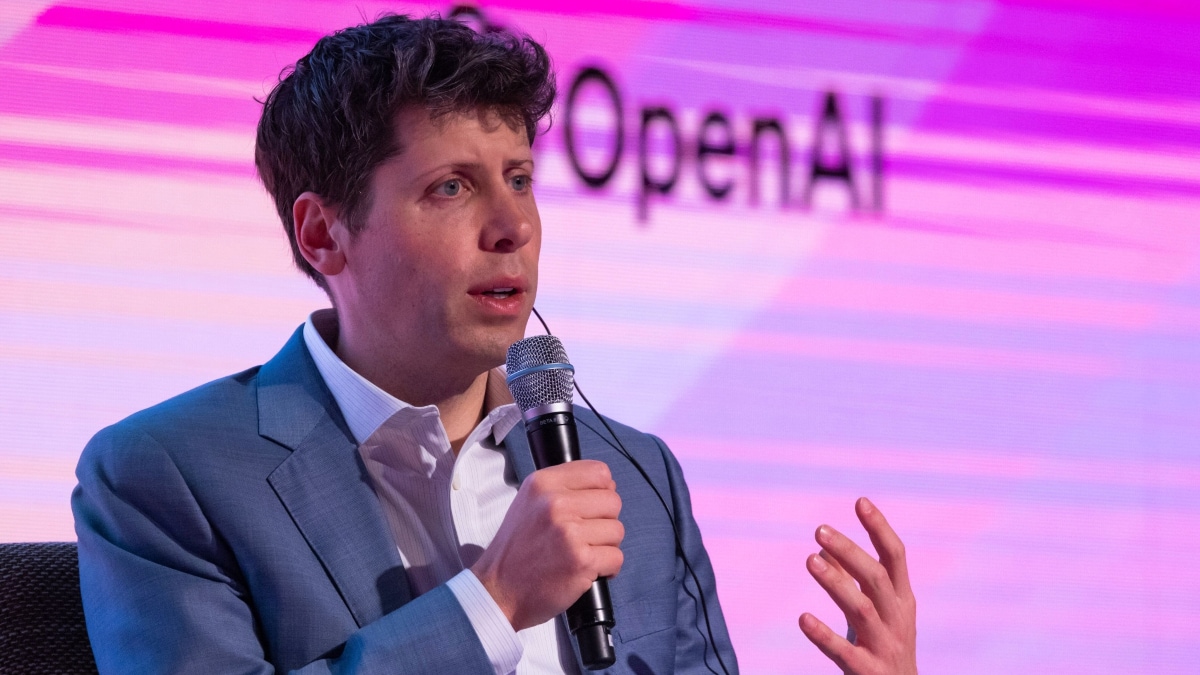
OpenAI’s leadership, however, has assured stakeholders that the commitment to AI safety remains strong. In a statement, CEO Sam Altman emphasized that safety and ethics are integrated into every aspect of the organization’s work. “While we have decided to restructure our approach to AI safety, this does not mean we are any less dedicated to these principles. We are exploring new models of integrating safety directly into our core research and development processes,” Altman said.
The organization plans to distribute the responsibilities of the safety team across various departments, aiming for a more integrated approach to safety in AI development. This restructuring is intended to foster a culture where safety considerations are embedded within every project, rather than being the purview of a separate team.
Despite these assurances, the AI community remains vigilant. The transition period will be closely watched to see if OpenAI can maintain its leadership in ethical AI development without a dedicated safety team. As AI technologies continue to advance rapidly, the importance of robust safety protocols cannot be overstated.
The coming months will be critical for OpenAI as it navigates this restructuring and attempts to reaffirm its commitment to developing AI systems that are safe, ethical, and beneficial for all.









