A massive explosion at SpaceX’s Texas facility has sent shockwaves through the aerospace community. The incident, which occurred late yesterday, involved one of the engines of SpaceX’s Starship rocket prototype, resulting in a dramatic blaze that was visible for miles around. Fortunately, no injuries have been reported, but the explosion has raised significant concerns about the future of SpaceX’s ambitious space exploration plans.
The explosion took place during a routine test of the Raptor engine, a crucial component of the Starship spacecraft designed for missions to the Moon, Mars, and beyond. Witnesses reported a loud bang followed by a fireball that engulfed the test stand. Emergency crews were immediately dispatched to the scene and worked through the night to contain the flames and secure the area.
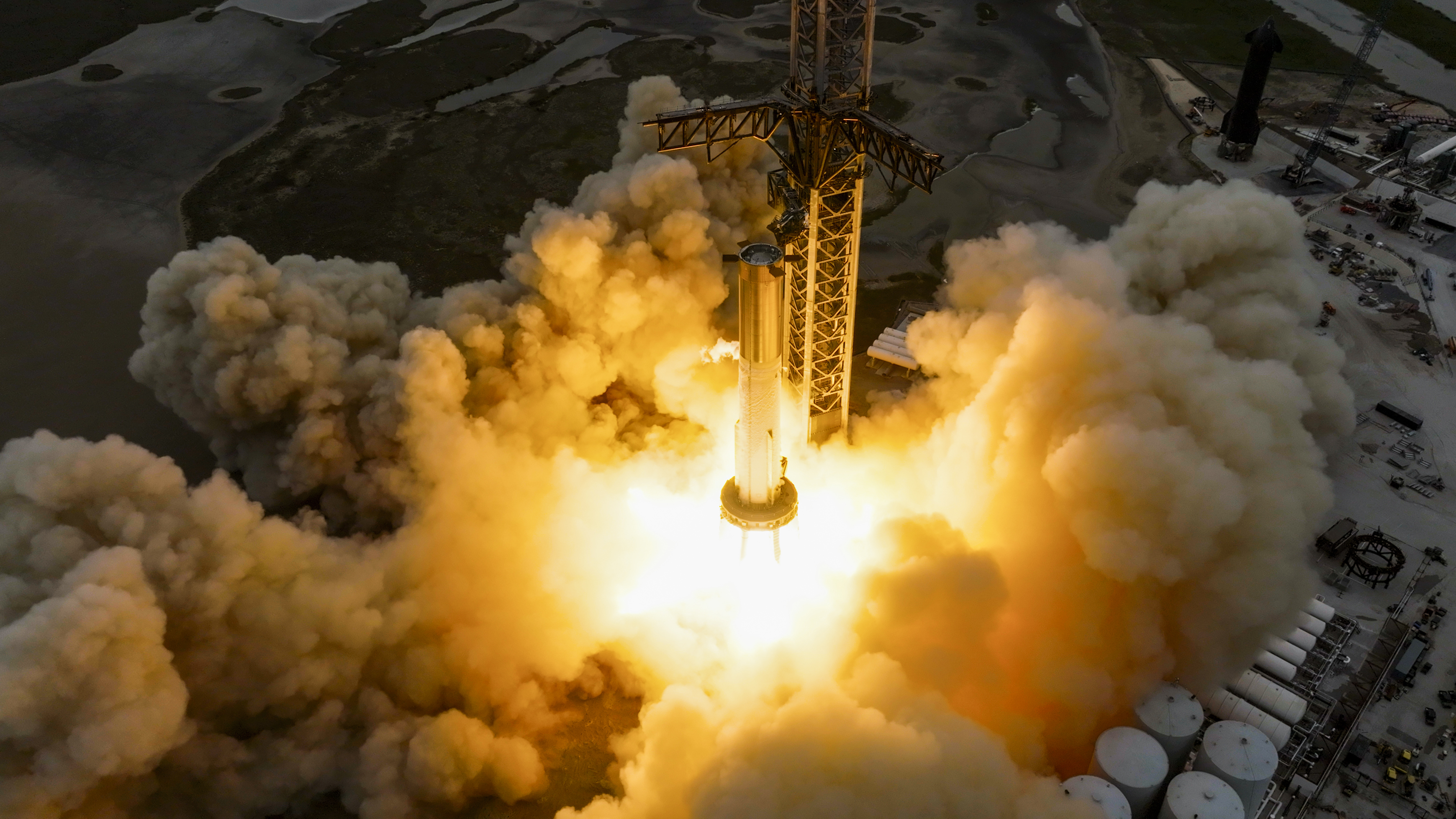
In a brief statement, SpaceX confirmed the explosion, noting that it occurred during a static fire test of the Raptor engine. “We experienced an anomaly during today’s test, resulting in an explosion. Our team is working to assess the situation and determine the cause. Safety is our top priority, and we are thankful that there were no injuries,” the statement read.
The Raptor engine, known for its advanced design and efficiency, is integral to SpaceX’s plans for deep space exploration. The engine uses liquid methane and liquid oxygen, which provide higher performance compared to traditional rocket fuels. The Starship, propelled by multiple Raptor engines, is envisioned to carry humans and cargo to destinations far beyond Earth.
This explosion is a setback for SpaceX, which has been conducting a series of tests to refine the Starship’s design and capabilities. The company has faced several challenges in its journey, including previous test failures and regulatory hurdles. However, SpaceX’s iterative approach to development, characterized by building, testing, and rapidly iterating, has often led to quick recoveries from such incidents.
Industry experts are closely watching the situation, noting that while the explosion is a significant event, it is not uncommon in the field of rocket development. “Rocket engineering is incredibly complex and risky. Failures and explosions, while unfortunate, are part of the process of pushing the boundaries of what is possible,” said Dr. Amelia Vasquez, a space technology analyst.
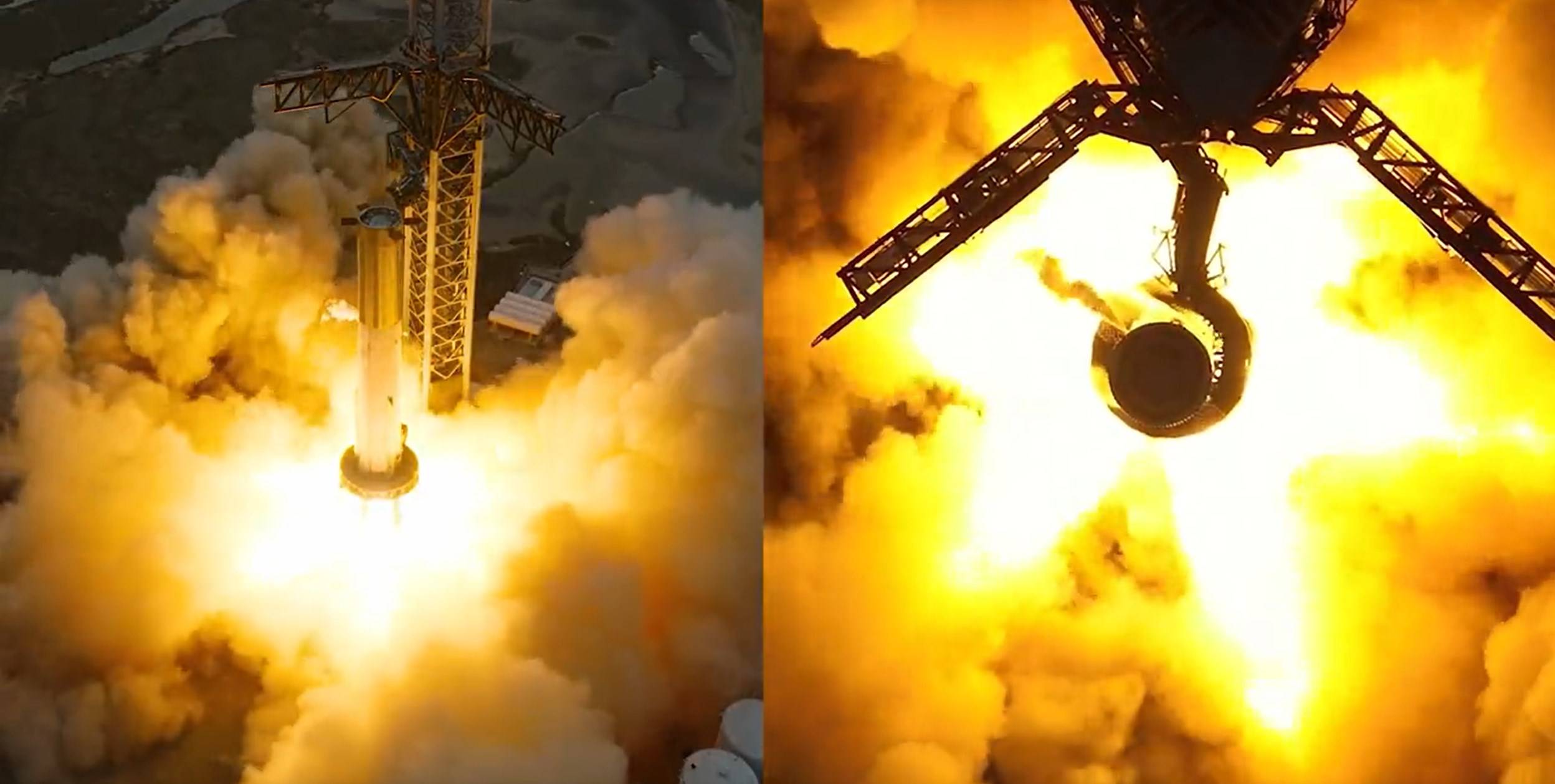
Despite the setback, SpaceX remains committed to its vision of making space travel more accessible and affordable. The company’s founder and CEO, Elon Musk, took to social media to address the incident, stating, “Today’s test anomaly will teach us a lot. Our team is already working on solutions. Onward to Mars.”
The explosion has temporarily halted operations at the Boca Chica facility, with an investigation underway to determine the precise cause of the failure. Engineers and safety experts are expected to conduct a thorough analysis before resuming further tests.
SpaceX’s ambitious timeline for launching the Starship on its first orbital flight may face delays due to this incident. Originally planned for later this year, the schedule will likely be reassessed as the company works to ensure all safety protocols and design improvements are implemented.
As the investigation continues, the aerospace community is rallying behind SpaceX, recognizing the inherent risks involved in pioneering new technologies and the importance of learning from each step, whether it ends in success or failure.